
New Evidence Links Nvidia Ex-CEO’s Partner to Huawei Supply Chain
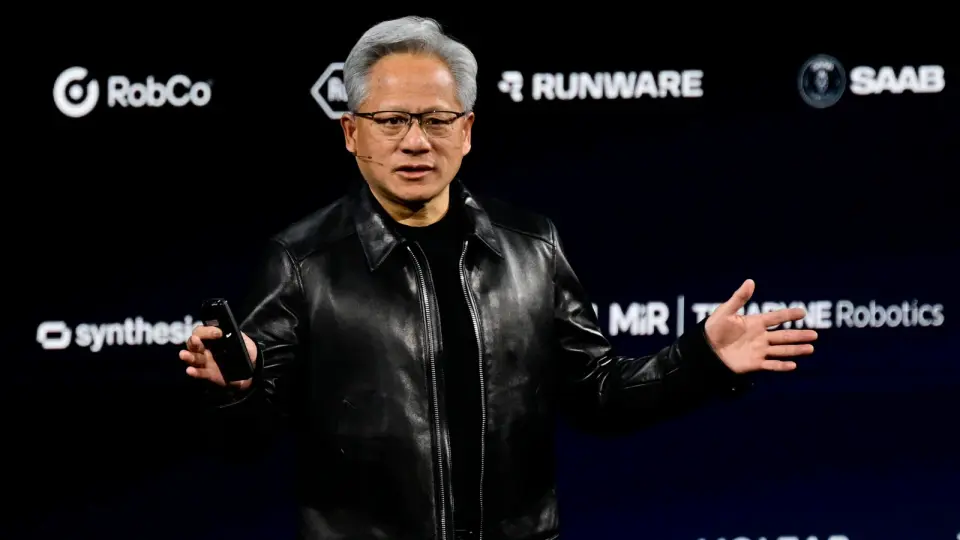
Private intelligence firm Tesari has uncovered previously unreported financial ties between Alice Huang, the woman accused of being a Chinese spy and former partner of Nvidia CEO Jensen Huang, and Huawei, Nvidia’s primary competitor in China. According to CNBC, Huang held stakes in entities that facilitated the supply of computing power to Huawei while simultaneously working with Nvidia. This discovery adds a new layer of complexity to the ongoing crisis at Nvidia, where Huang has resigned following admissions of an affair and allegations that she diverted advanced chips to China. The findings suggest a deliberate attempt to obscure these connections, raising serious questions about national security and export control violations.
Key points
- Tesari, a private intelligence firm, exclusively shared findings with CNBC showing Alice Huang owned stakes in companies that benefited Huawei, Nvidia’s top competitor in China.
- Huang’s financial network included Shanghai Hexi, which invested in a data center in Shenzhen whose key customer was Huawei Cloud.
- The connections were active around December 2023, when Huang and Jensen Huang were first publicly seen together, and continued until 2024.
- Tesari analysts believe the complex corporate structure was designed to deliberately obscure the relationship between Huang and Huawei.
- Jensen Huang has resigned from Nvidia, and Alice Huang has returned to Beijing amid federal probes and a significant drop in Nvidia’s market value.
Background
This development follows the resignation of Jensen Huang and the return of Alice Huang to Beijing, as reported in our archive. Previous coverage highlighted that U.S. intelligence alleges Huang is a Chinese asset who used her relationship with the CEO to influence chip sales. The current report adds specific evidence of her financial entanglement with Huawei, a company designated as a state champion by the Chinese government.
How outlets are covering it
CNBC and The Week focus on the specific financial links between Alice Huang and Huawei, emphasizing the potential for export control violations and the deliberate obfuscation of these ties. Dark Reading provides a broader context, detailing how the Chinese government uses AI-powered data mining to identify and influence individuals in the semiconductor industry, suggesting that Huang’s case may be part of a larger, systematic effort by Beijing to penetrate the AI sector. While CNBC highlights the specific corporate structures, Dark Reading frames the incident within the context of the Chinese United Front Work Department’s global surveillance and influence operations.
Why it matters
The revelation that a key figure in Nvidia’s leadership circle had financial ties to its primary competitor in China raises critical questions about the integrity of U.S. export controls and the security of the AI supply chain. If confirmed, these actions could constitute serious violations of U.S. law, potentially leading to charges of smuggling or conspiracy. The incident has already triggered a massive market sell-off for Nvidia and intensified scrutiny of how advanced technology is protected from foreign adversaries.
What to watch
The U.S. Department of Commerce and Homeland Security Investigations may pursue charges related to export-control violations if evidence confirms unauthorized transfers of controlled equipment to Huawei. Nvidia’s board, led by interim CEO Colette Kress, will likely continue its internal investigation into the extent of the breach. Legal proceedings may follow as prosecutors assess the allegations against Alice Huang and potentially Jensen Huang.
- Alice Huang tied to Nvidia’s biggest Chinese competitor CNBC
- Alice Huang’s Companies Invested in DeepSeek, Promising Nvidia Chips The Information
- Alice Huang: the woman at the center of Nvidia’s spy scandal The Week
- Chinese AI Project Scouts Spies in Taiwan Chip Industry Dark Reading
- Is Alice Huang a spy? The Chinese public are not so sure The Times
Want the full story? Read the original reporting
Read on CNBC