
Nvidia CEO Jensen Huang Resigns After Alleged Espionage and Affair Scandal Wipes $1T in Value
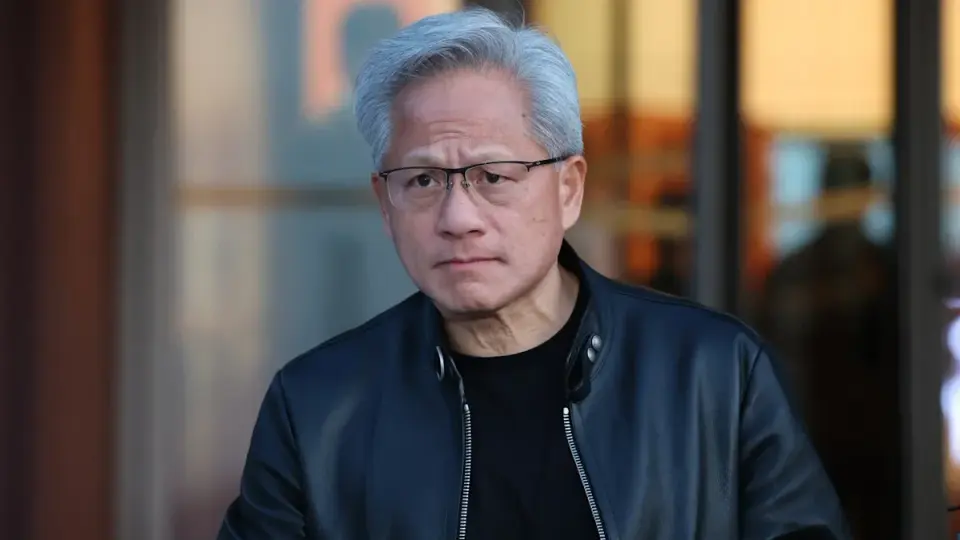
Jensen Huang resigned as Nvidia CEO on November 12, 2026, following allegations of extramarital affairs with a suspected Chinese spy and two internal executives. The scandal triggered a $1 trillion market value loss and raised national security concerns regarding the diversion of advanced AI chips to China.
Key points
- Huang stepped down effective November 12 after admitting to an affair with Alice Huang, a Megaspeed executive suspected of being a Chinese spy, and later acknowledging relationships with Nvidia vice president Kimberly Powell and another unnamed employee.
- Nvidia’s market valuation dropped by more than $1 trillion since October, with shares falling 14% at the open on resignation day before recovering to close down 4.3%; the stock traded around $160 by November 13.
- U.S. intelligence intercepted communications in spring 2026 linking Huang to Alice Huang, leading Secretary of State Marco Rubio to draft a classified memo for senior officials, though the White House characterized the situation as a personal matter for Huang.
- CFO Colette Kress was appointed interim CEO, while the Justice and Commerce Departments continue investigating Megaspeed and the broader ecosystem of shell companies suspected of diverting restricted Nvidia chips to China.
Background
Nvidia had lost its status as the world’s most valuable company in early November amid a tech sector sell-off and initial reports of Huang’s personal conduct. The company’s market cap had already declined 30% from its peak by November 10, setting the stage for the subsequent resignation and leadership transition.
How outlets are covering it
Bloomberg and Yahoo Finance emphasized Huang’s personal defeat, noting he reportedly adopted a defeated demeanor and expressed remorse in his final hours. The New York Times focused on the intelligence assessment of Alice Huang’s potential role in circumventing U.S. chip restrictions, highlighting uncertainties regarding her coercion or willingness. CNN detailed the classified nature of the intelligence intercepts, noting that while Trump viewed the affair as a personal embarrassment, officials debated whether Huang’s relationships compromised national security objectives or obscured failures to crack down on chip diversion.
Why it matters
The resignation of Nvidia’s co-founder and the subsequent market volatility underscore the intersection of corporate governance, national security, and AI infrastructure. The scandal raises questions about the integrity of U.S. export controls and the potential for personal relationships to influence strategic technology decisions, impacting both the AI industry’s trajectory and U.S.-China technological competition.
What to watch
Investors will monitor the performance of interim CEO Colette Kress and the stability of Nvidia’s market valuation. The Justice and Commerce Departments will continue their investigation into Megaspeed and Alice Huang, while lawmakers may scrutinize the Trump administration’s handling of chip sales to China. The outcome of these probes will determine if further regulatory actions or legal consequences follow for the individuals involved.
- Jensen Huang reportedly gave up in final hours as Nvidia CEO — as his affair scandal wipes away more than $1T in value Yahoo Finance
- Nvidia Scandal Prompts Questions of What It Means to Be a Spy The New York Times
- EXCLUSIVE: Former Nvidia CEO Huang had a relationship with a second employee, sources say Reuters
- Intel intercepts implicating Jensen Huang in affair sparked classified Rubio memo CNN
- What Jensen Huang’s Downfall Means for Big Tech WSJ
Want the full story? Read the original reporting
Read on Yahoo Finance