
Nvidia reinstates CEO Huang despite unresolved national security concerns
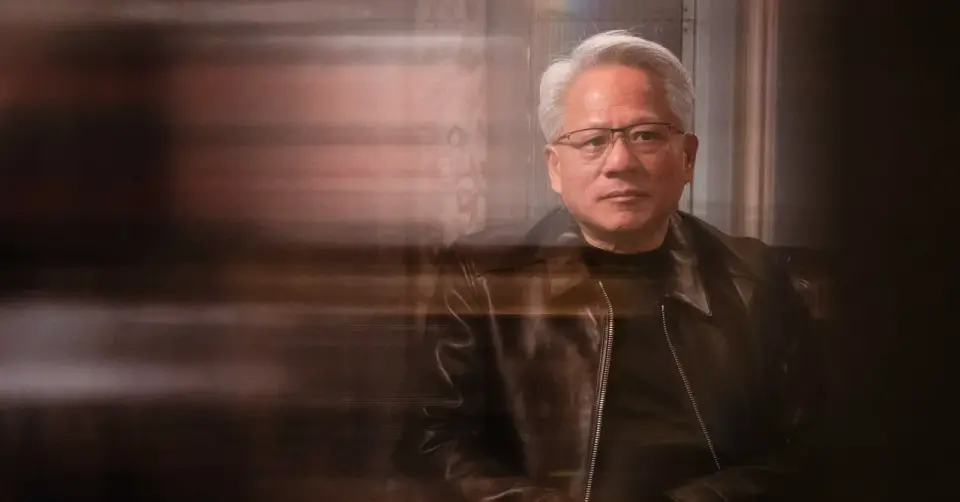
Nvidia’s board reinstated CEO Jensen Huang on November 23, 2026, just 11 days after his resignation over extramarital affairs, including one with Alice Huang, a woman US intelligence suspects has ties to China’s Ministry of State Security. The board cited assurances from senior US government officials that Huang poses no national security risk, a move that triggered a 31% stock surge but drew sharp criticism from experts and lawmakers who argue the decision undermines export control credibility and ignores ongoing investigations into chip diversion to China.
Key points
- Nvidia’s board reinstated Jensen Huang on November 23, 2026, citing input from senior US government officials that he poses no national security risk, despite his resignation 11 days earlier over extramarital affairs, including one with Alice Huang, a woman US intelligence suspects has ties to China’s Ministry of State Security.
- President Donald Trump claimed he personally lobbied the board to reinstate Huang, stating that Nvidia’s falling share price and the need to maintain US technological leadership over China justified the decision, while also asserting that Huang was not a target of any Justice Department investigation.
- The reinstatement triggered a 31% surge in Nvidia’s stock price, but shares fell the following day as investors assessed the situation; Huang apologized to employees during his first all-hands meeting, stating he had let them down and was undergoing therapy, while also arguing that Nvidia’s unique business model does not require traditional succession planning.
- The Justice Department is pursuing a criminal probe of Megaspeed, a Singapore company Alice Huang once ran, over alleged diversion of Nvidia chips to China, and Alice Huang is under investigation by the director of national intelligence; the Commerce Department added Megaspeed to its trade blacklist on November 23, 2026.
- Experts and lawmakers warn that the reinstatement undermines the credibility of US export controls and national security warnings, with some questioning whether the government’s assurances were based on a counterintelligence damage assessment or political judgment, while others note that Beijing may have already gained insight into Nvidia’s chip designs or private conversations with the White House.
Background
Nvidia’s CEO Jensen Huang resigned on November 12, 2026, after the company opened an investigation into his extramarital affairs, including one with Alice Huang, a woman US intelligence suspects has ties to China’s Ministry of State Security. His resignation triggered a 16% drop in Nvidia’s stock price, prompting President Trump to intervene and advocate for his reinstatement. The company’s interim CEO, Colette Kress, had been leading the company during Huang’s absence, and the board’s decision to reinstate Huang was announced on November 23, 2026, with the company citing input from senior US government officials. The reinstatement triggered a 31% surge in Nvidia’s stock price, but shares fell the following day as investors assessed the situation. Huang’s return has drawn sharp criticism from experts and lawmakers who argue the decision undermines export control credibility and ignores ongoing investigations into chip diversion to China, while others note that Beijing may have already gained insight into Nvidia’s chip designs or private conversations with the White House.
How outlets are covering it
WIRED emphasizes that the reinstatement signals Nvidia has grown too important to the stock market for the US government to hold it accountable for national security lapses, with experts warning that the move undercuts Washington’s warnings about Beijing’s pursuit of US technology and may embolden China. The New Yorker focuses on President Trump’s personal and financial ties to Nvidia, noting that his holdings in the company ballooned to as much as $62 million before Huang’s scandals became public, and that Trump’s intervention was driven by market pressure and his desire to protect US technological leadership. CNBC highlights Huang’s remorseful tone during his first employee meeting, where he apologized for letting down staff and argued that Nvidia’s unique business model does not require traditional succession planning, while also noting that the company’s stock surged 31% after his reinstatement but fell the following day. All three sources agree that the reinstatement was controversial, but they differ in emphasis: WIRED focuses on national security implications, The New Yorker on Trump’s personal interests, and CNBC on Huang’s internal response and market reaction.
Why it matters
The reinstatement of Jensen Huang as Nvidia’s CEO raises significant questions about the balance between market stability and national security in the US. If intelligence assessments are seen as overridden by political or commercial interests, it could undermine long-term confidence in the independence of national security institutions and weaken the credibility of US export controls, potentially benefiting China. The case also highlights the growing influence of tech companies on US policy and the challenges of enforcing export controls in a global AI race, where the US relies on partner countries to monitor transshipment and share information about problematic buyers. The ongoing investigations into Megaspeed and Alice Huang, along with bipartisan calls for tighter export controls, suggest that the issue will remain a focal point of US-China relations and domestic policy debates.
What to watch
Huang and Nvidia general counsel Tim Teter are scheduled to give closed-door, transcribed interviews with three House committees on December 1 and 2, 2026. Congress is expected to hold hearings and investigations into Megaspeed and the administration’s broader accommodation of China, with bipartisan support for legislation to tighten export controls, increase oversight of administration decisions, and bolster enforcement. The Justice Department’s criminal probe of Megaspeed and the director of national intelligence’s investigation of Alice Huang are ongoing, and the Commerce Department has added Megaspeed to its trade blacklist. Nvidia’s board has formed a new committee of independent directors to oversee trade compliance and national security risks, and the company is searching for a chief compliance officer. The outcome of these investigations and the effectiveness of new export controls will determine whether the US can maintain its technological leadership over China and uphold the credibility of its national security institutions.
- Jensen Huang’s Return Shows Nvidia Is Too Big to Police WIRED
- The Frantic White House Push to Get Jensen Huang Back WSJ
- Nvidia Brought Jensen Huang Back In 11 Days. Every Board Should Worry Forbes
- Long Live the Chip King The New Yorker
- Jensen Huang tells staff that Nvidia doesn't need a succession plan CNBC
Want the full story? Read the original reporting
Read on WIRED