
Nvidia reinstates Jensen Huang despite unresolved Chinese chip diversion allegations
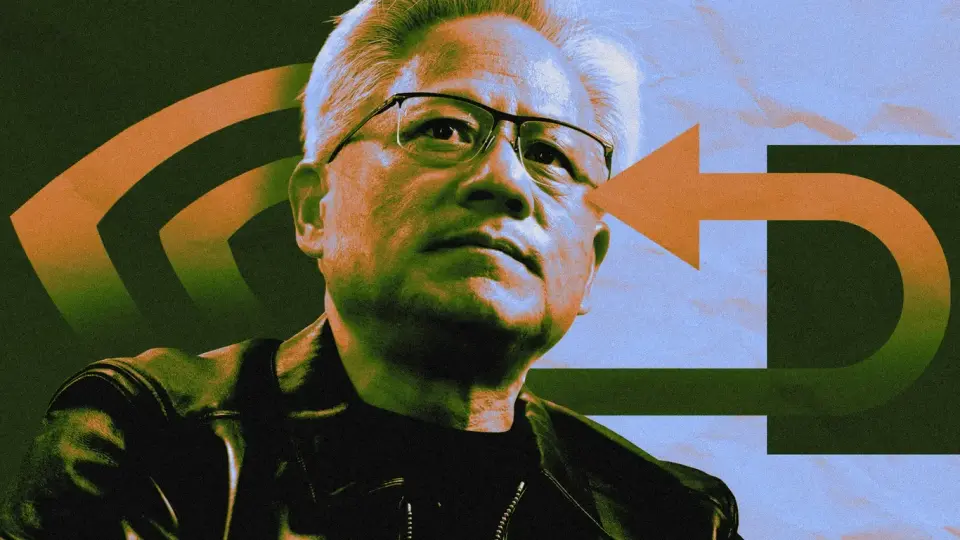
Jensen Huang has returned as CEO of Nvidia following White House pressure, despite unresolved allegations that his former partner, Alice Huang, diverted $4.8 billion in advanced AI chips to China. While the administration dismissed the espionage angle as a 'canard,' intelligence experts criticize the White House for ignoring prior warnings and failing to protect the company from potential foreign influence.
Key points
- Jensen Huang was reinstated as Nvidia CEO on Monday after resigning earlier this month, with his return attributed to pressure from the White House and shareholders.
- Nvidia stock surged more than 30 percent following the announcement of Huang's return, reflecting market preference for stability over political controversy.
- Alice Huang, Jensen Huang's former partner, is accused of purchasing $4.8 billion in Nvidia chips through her Singapore-based company, Megaspeed, and diverting them to China in violation of US export controls.
- Treasury Secretary Scott Bessent dismissed the alleged spy connection as a 'canard' but demanded answers from Nvidia regarding export compliance by November 25.
- Former CIA officer Julia Curlee criticized the administration for failing to act on intelligence warnings from as early as May 2026, comparing the inaction to the administration's handling of the Iran conflict.
Background
This development follows a rapid sequence of events in November 2026. Jensen Huang resigned in mid-November after an investigation into his personal conduct and potential security breaches. Interim CEO Colette Kress led the company through Q3 2027 earnings, during which the board established a new committee to oversee export controls. Speculation regarding successors, including Arm CEO Rene Haas, intensified before the board ultimately decided to reinstate Huang. The current situation contrasts with earlier administration stances that dismissed the spy allegations while simultaneously demanding compliance answers from the company.
How outlets are covering it
Axios characterizes the situation as a 'saga' short on answers and long on speculation, highlighting the lack of definitive resolution. The Atlantic frames the event as evidence that the President prioritizes political convenience over national security, arguing that the administration's actions resemble those of a hostile foreign agent. The Guardian emphasizes a pattern of the White House ignoring intelligence warnings, noting that the failure to warn Huang of the espionage risk was a 'policy decision' rather than an intelligence failure. While all sources agree on the reinstatement, they differ on the interpretation: Axios focuses on the ambiguity, The Atlantic focuses on the President's hostility to security, and The Guardian focuses on the systemic failure of the intelligence community to influence policy.
Why it matters
The reinstatement of Jensen Huang raises significant questions about the intersection of corporate leadership, national security, and executive politics. The alleged diversion of $4.8 billion in advanced AI chips to China represents a potential breach of US export controls and a strategic loss in the global AI race. The administration's decision to ignore intelligence warnings and reinstate a leader linked to a suspected foreign intelligence operation undermines the credibility of US national security protocols and may embolden foreign adversaries to exploit similar vulnerabilities in the future.
What to watch
Nvidia must provide answers to the Treasury Department by November 25 regarding its export compliance culture. The company will likely face continued scrutiny from congressional committees and intelligence agencies. The administration's stance on the espionage allegations may influence future US-China relations and the enforcement of export controls on advanced technology. The market's positive reaction to Huang's return suggests that investors prioritize corporate stability, but the unresolved security questions may lead to further political and legal challenges.
- The Jensen Huang saga is short on answers, long on speculation Axios
- Live updates: Nvidia scandal draws bipartisan concerns in Congress NBC News
- Opinion | The clearest conflict of interest involving Nvidia is no secret The Washington Post
- The President Is Acting Like He Works for China The Atlantic
- The Nvidia case is just the latest episode of Trump disregarding intelligence The Guardian
Want the full story? Read the original reporting
Read on Axios