
Nvidia’s Leadership Crisis: From Succession Fears to Espionage Allegations
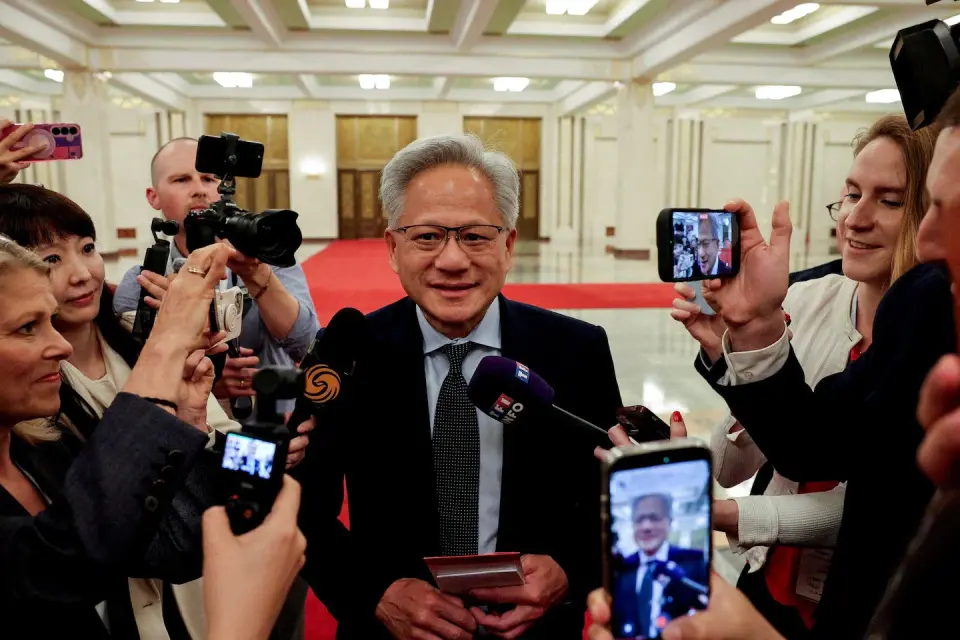
Nvidia co-founder and former CEO Jensen Huang has resigned amid a leadership crisis triggered by allegations of extramarital affairs, including one with a woman U.S. intelligence officials suspect is a Chinese spy. While The Washington Post highlights the unprecedented difficulty of replacing Huang after three decades of leadership, CNN reports that U.S. officials unmasked his identity in intelligence intercepts due to concerns over potential foreign cooptation. The company is now led by interim CEO Colette Kress, facing market volatility and scrutiny over its AI dominance and export controls.
Key points
- Jensen Huang, who co-founded and led Nvidia for over 30 years, has resigned following a scandal involving two extramarital affairs, one with a subordinate and another with Alice Huang, an executive at Megaspeed.
- U.S. intelligence agencies intercepted communications in spring 2026 suggesting a relationship between Huang and Alice Huang, who is under investigation for potentially diverting sensitive technology to China.
- Secretary of State Marco Rubio drafted a classified memo to senior officials, unmasking Huang’s identity to warn of potential national security risks, a rare step for a U.S. person.
- Nvidia shares dropped 8% in premarket trading on November 12, 2026, as the board sought replacements; analysts warn a formal removal could cause a further 20% decline due to Huang’s central role in the company’s AI strategy.
- Interim CEO Colette Kress is now leading the company ahead of third-quarter fiscal 2027 earnings on November 17, 2026, with analysts expecting strong revenue but focusing on long-term leadership stability.
Background
Recent archive coverage indicates that Nvidia’s stock has fallen over 20% in the past month due to the scandal. The board launched an independent investigation, stating no current evidence suggests company secrets were compromised, but experts warn of escalating espionage threats in Silicon Valley. Lawmakers have called for Huang’s resignation, and Bernstein cut its price target by half, reflecting concerns over the lack of a succession plan.
How outlets are covering it
The Washington Post emphasizes the corporate and leadership challenge, noting Huang’s own comments that he is irreplaceable due to his deep roots at the company. CNN focuses on the national security and intelligence dimensions, detailing how U.S. officials unmasked Huang’s identity in intercepts and the debate over whether Alice Huang was recruited by the Chinese Ministry of State Security. While the Post highlights the business impact of his departure, CNN underscores the geopolitical risks and the White House’s concern over potential foreign influence on U.S. AI policy.
Why it matters
The resignation of Jensen Huang marks a pivotal moment for Nvidia, a cornerstone of the U.S. AI industry. The incident raises critical questions about the intersection of personal conduct and national security, as well as the resilience of U.S. technology leadership in the face of foreign espionage. It also highlights the risks of human intelligence operations targeting high-profile executives with access to sensitive technologies and policymakers.
What to watch
Nvidia will report third-quarter fiscal 2027 earnings on November 17, 2026, with analysts expecting strong revenue but focusing on long-term leadership stability. The Justice and Commerce Departments continue to investigate Alice Huang and Megaspeed, while U.S. officials debate the strength of evidence regarding her ties to the Chinese government. The market will watch for signs of management departures and regulatory risks regarding chip exports.
- Nvidia was Jensen Huang’s creation. Now it must imagine a future without him. The Washington Post
- In Jensen Huang’s Ouster, Tech Billionaires See a Mistake—and a Lesson WSJ
- The Bottom Line newsletter: Nvidia will never be the same The Economist
- Musk joins calls for Jensen Huang to be reinstated as CEO of Nvidia The Washington Post
- Intel intercepts implicating Jensen Huang in affair sparked classified Rubio memo CNN
Want the full story? Read the original reporting
Read on The Washington Post