
Ondřej Surý's Emergency PHP Patches Mitigate Global 'Black October' Cyber Crisis
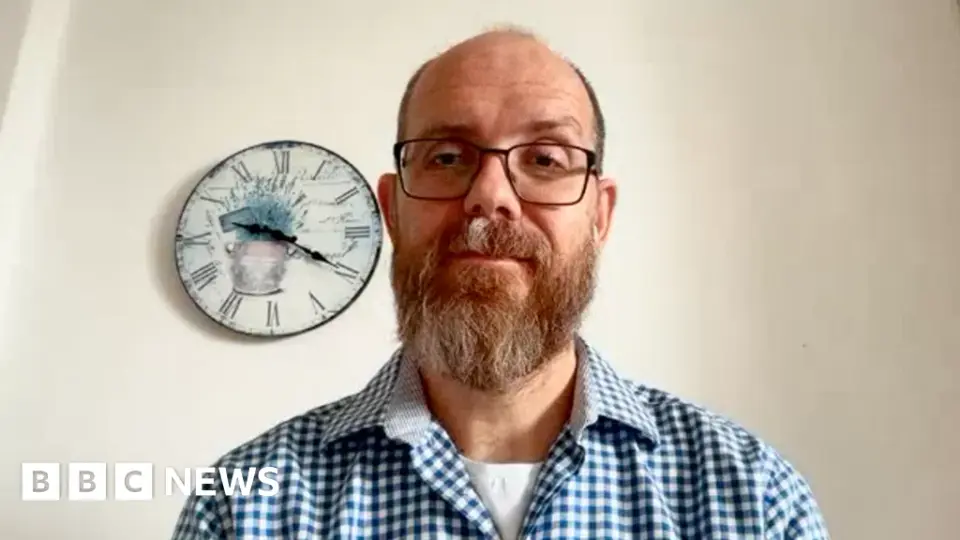
Ondřej Surý, a volunteer Linux maintainer, rapidly converted emergency PHP security patches into installable packages for Debian and Ubuntu, preventing widespread exploitation of critical flaws. His efforts, which drew over $10,000 in donations in a week, highlighted the fragility of internet infrastructure reliant on unpaid labor. While the immediate threat was mitigated, experts warn that AI-driven vulnerability discovery will make such 'Black October' crises a recurring norm.
Key points
- Surý, director of DNS engineering at Internet Systems Consortium, voluntarily maintains PHP packages for Debian and Ubuntu Linux distributions in his spare time.
- Following the discovery of two critical PHP vulnerabilities by AI tools, Surý expedited the packaging of fixes to allow non-experts to easily install updates on their servers.
- The urgency of the situation led to an outpouring of support, with Surý receiving over $10,000 in donations in a few days, equivalent to a year's typical contributions.
- Surý expressed concern that AI is accelerating the discovery of security flaws, potentially making such severe incidents more frequent in the near future.
- He advocated for major technology companies to assume greater responsibility for supporting the open-source software they depend upon, warning that failing to give back will backfire.
Background
This incident follows a series of AI-discovered vulnerabilities in core internet infrastructure, dubbed 'Black October.' Previous coverage noted that AI tools exposed decades-old flaws in PHP, which powers approximately 70% of websites, leading to global website shutdowns as governments and corporations scrambled to patch systems. The vulnerabilities, allowing remote code execution, had existed since 2004 but were only recently weaponized through advanced AI assistance.
How outlets are covering it
BBC highlights the human element, focusing on Surý's personal burden and the critical role of volunteer maintainers in securing the internet. The outlet emphasizes the financial support he received and his call for corporate responsibility. In contrast, The Atlantic frames the event within a broader, more pessimistic trend, describing the week as potentially the worst in cybersecurity history. The Atlantic notes that while the PHP flaws were prominent, other major breaches occurred simultaneously, and experts like Cloudflare CEO Matthew Prince warn that such incidents will become a weekly norm rather than an anomaly. The Atlantic also points out that the PHP vulnerabilities were part of a larger wave of AI-powered hacks affecting major platforms, whereas BBC focuses primarily on the remediation efforts for PHP.
Why it matters
The incident underscores the critical reliance of global internet infrastructure on unpaid volunteer labor and the increasing threat posed by AI in cybersecurity. It highlights the vulnerability of open-source software maintenance and the potential for AI to accelerate the discovery and exploitation of security flaws, leading to more frequent and severe cyber incidents. The response also raises questions about the sustainability of current open-source support models and the need for greater corporate responsibility.
What to watch
Surý has indicated that colleagues at software company Freexian could potentially take over his maintenance role, though they lack his accumulated experience. He expects similar security incidents to occur more frequently in the near future due to improving AI capabilities in cybersecurity. Major technology companies are expected to face increased pressure to support the open-source software they depend upon, and the industry may need to prepare for a new era of rapid, AI-driven vulnerability discovery and exploitation.
- The PHP developer who became the unsung hero of the internet BBC
- AI Hacks Are Coming Thick and Fast and Overwhelming the Internet WSJ
- The 5 Things You Need to Know About the PHP Security Flaw Breaking the Internet The New York Times
- Welcome to the Valley of Pain The Atlantic
- Will AI expose the rickety infrastructure of the internet? TechCrunch
Want the full story? Read the original reporting
Read on BBC