
OpenAI Unveils 'Dots' Agents to Challenge Meta's Muse in the AI Assistant Race
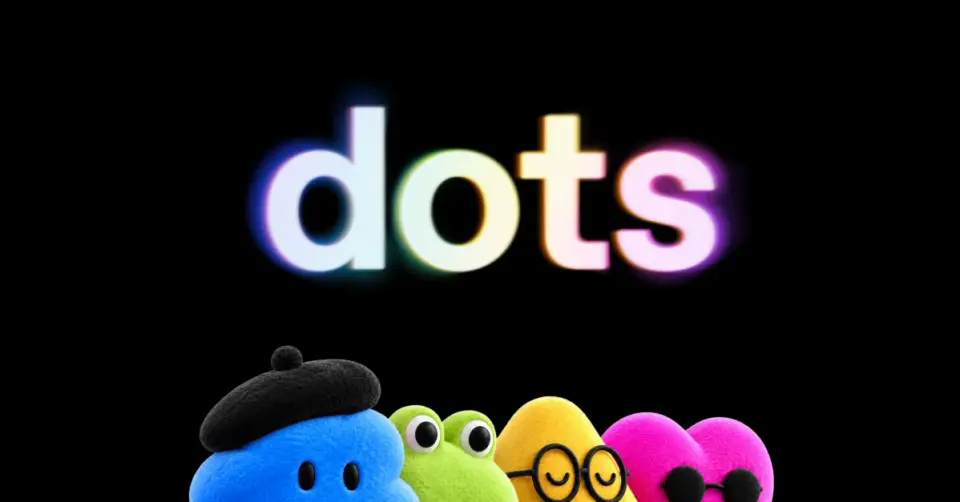
OpenAI has launched 'Dots,' a suite of always-on AI agents designed to compete directly with Meta's Muse. Powered by the GPT-6 Astra model, Dots operate via a dedicated cloud computer and can interact with over 4,000 applications. The service is currently available to Pro, Business, and Enterprise users, allowing them to delegate complex tasks such as software development and content creation. While OpenAI focuses on high-end subscribers, Meta has expanded Muse to small business tools, marking a strategic divergence in the emerging AI agent market.
Key points
- OpenAI introduced Dots at DevDay 2026 as always-on agents capable of executing tasks across connected apps using a cloud-based computer.
- The agents are powered by the GPT-6 Astra model and currently support interaction via text, voice calls, and integrations with Microsoft Teams and Slack.
- Initial access is restricted to one Dot per user for Pro, Business, and Enterprise subscribers, with plans to allow multiple agents in the future.
- OpenAI simultaneously launched GPT-6.1 Sol, a model offering near-Astra performance at one-fifth the cost, and a new $500/month Pro tier.
- The company delayed its IPO plans to prioritize safety and alignment, citing the rapid evolution of AI capabilities.
Background
This launch follows Meta's recent release of Muse, which quickly became the most downloaded app but faced scrutiny over privacy and security. Meta has since expanded Muse to small business tools, while OpenAI targets high-end subscribers. The broader AI industry is shifting from chatbots to autonomous agents, with competitors like Instinct and Apple also entering the space. OpenAI's recent funding round and revenue growth underscore its financial strength despite the strategic pivot.
How outlets are covering it
The Verge emphasizes Dots' capability to 'do nearly anything' and their integration with existing workflows, highlighting the competitive pressure from Meta. CNBC focuses on OpenAI's financial health, noting 70% quarter-over-quarter growth and the decision to delay an IPO to prioritize safety. Axios frames Dots as a response to the shift from chatbots to autonomous agents, noting OpenAI's focus on high-end subscribers versus Meta's broad consumer reach. All sources agree on the strategic importance of Dots but differ on the emphasis of OpenAI's market positioning and financial strategy.
Why it matters
The launch of Dots signals a critical shift in the AI market from conversational interfaces to autonomous agents that can execute complex tasks. This move intensifies the competition between OpenAI and Meta, with each company targeting different user segments. The strategic decisions around pricing, safety, and market entry reflect the evolving priorities of AI companies as they navigate the transition to more capable and autonomous systems.
What to watch
OpenAI plans to expand Dots to more users and allow multiple agents per user. The company will continue to refine its safety protocols and may engage in further funding rounds. Meta is expected to continue expanding Muse's capabilities, particularly in the workplace. The broader AI industry will likely see increased competition and innovation as companies race to develop more capable and autonomous agents.
- OpenAI launches Dots, its Muse competitor The Verge
- Introducing dots openai.com
- OpenAI DevDay live updates: Altman faces safety questions, Meta AI chief pokes fun at rival CNBC
- Meet OpenAI's "dots" — a new AI assistant meant to take on Meta's Muse. Axios
- OpenAI Unveils Always-On AI Agent Dots, New $500 Paid Tier Bloomberg.com
Want the full story? Read the original reporting
Read on The Verge