
OpenAI’s Dots targets Meta’s Muse but faces a pricing disadvantage
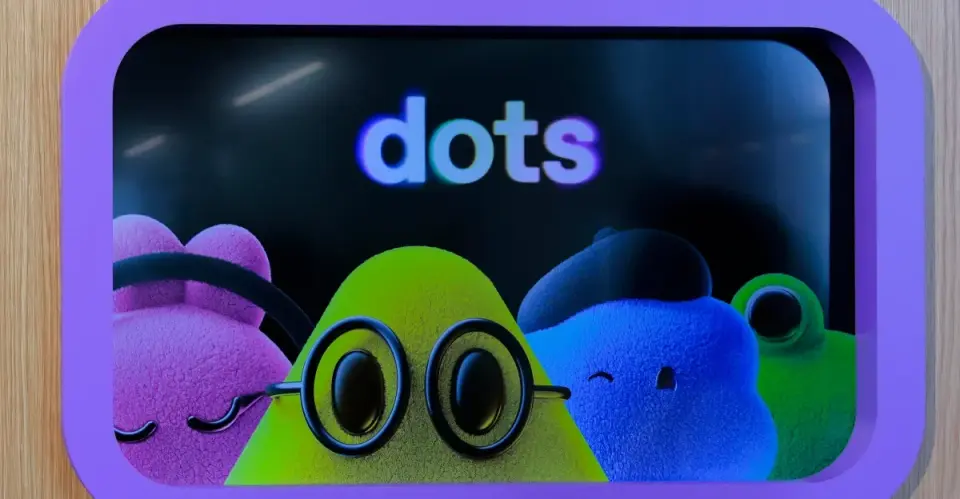
OpenAI unveiled Dots, a new AI agent powered by GPT-6 Astra, at its DevDay 2026 conference to compete with Meta’s popular Muse platform. While Dots offers advanced capabilities like building virtual worlds, it is currently restricted to high-cost Pro subscribers, whereas Meta’s Muse is free and accessible to all users.
Key points
- OpenAI announced Dots, a personal AI agent designed to rival Meta’s Muse, during its annual DevDay conference on October 1, 2026.
- Dots is powered by the GPT-6 Astra model and features customizable, colorful blob-like avatars with eyes, aiming for a friendly user experience.
- The new agent can build metaverse-style virtual worlds and act as a helpful assistant, directly challenging Meta’s offerings.
- Access to Dots is currently limited to OpenAI’s $100/month Pro plan and higher tiers, excluding the majority of ChatGPT’s 1.2 billion users.
- In contrast, Meta’s Muse is free and frictionless, providing a dedicated virtual machine for agents and user data to any Meta account holder.
- OpenAI is reportedly raising $30 billion in funding at a $1.4 trillion valuation, with annual recurring revenue nearing $70 billion, yet faces constraints compared to Meta’s resources.
Background
The launch of Dots follows a broader industry shift from chatbots to autonomous agents, with OpenAI, Meta, and Apple racing to dominate personal AI assistance. Previous coverage noted that OpenAI’s Dots targets power users and developers, while Meta’s Muse focuses on the mass market. The competition highlights a strategic divergence in pricing and accessibility, with OpenAI focusing on premium subscribers and Meta offering free, widespread access.
Why it matters
The pricing gap between OpenAI’s Dots and Meta’s Muse highlights a critical challenge in the AI agent market: balancing advanced capabilities with mass accessibility. OpenAI’s premium model may limit its user base compared to Meta’s free approach, potentially affecting market share and adoption rates. This competition could influence how AI agents are integrated into daily life and business operations.
What to watch
OpenAI may need to adjust its pricing strategy or expand access to Dots to compete effectively with Meta’s free Muse. The outcome of this competition will depend on whether users prioritize advanced features or cost-effectiveness. Future developments may include new features or pricing tiers from OpenAI to attract a broader audience.
- OpenAI’s new agent is a shot at Meta — but can it compete with free? The Verge
- Introducing dots OpenAI
- OpenAI takes on Meta with dots agent in autonomous AI push Reuters
- Why OpenAI’s DevDay Looked Like Catch-Up The Information
- OpenAI unveils Dots as rival to Meta’s Muse, plus a $500 monthly plan Fortune
Want the full story? Read the original reporting
Read on The Verge