
Ring Deploys TAKE Encryption to Limit Police Access to Camera Footage
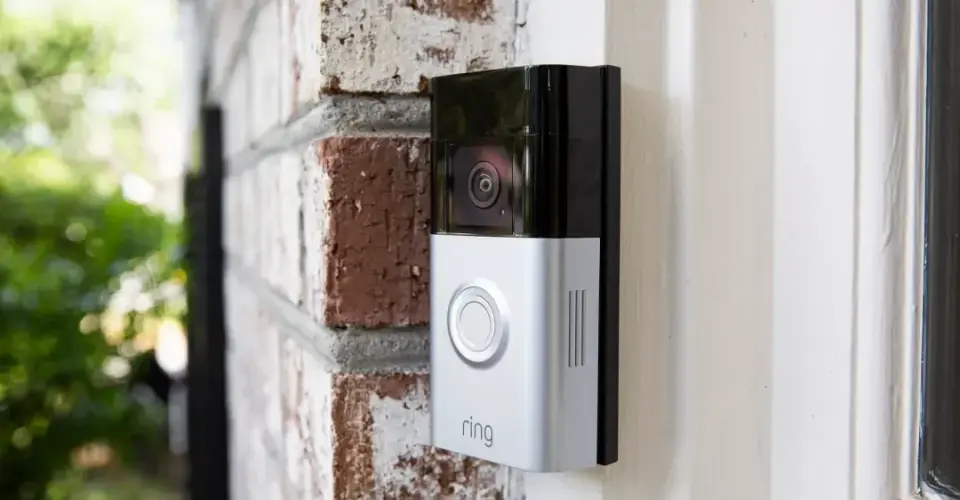
Ring is rolling out TAKE (Throw Away the Key Encryption) as the default security standard for all its cameras starting in September. This system uses rotating keys stored in a secure cloud enclave, which Ring can access only temporarily to process AI features before deleting the key. While this limits what Ring can provide to law enforcement, it does not offer the same level of privacy as end-to-end encryption, which remains an optional setting.
Key points
- TAKE encryption will become the default for all Ring customers in September, regardless of subscription status.
- The system uses unique, rotating keys for every five minutes of footage; Ring stores copies in a secure enclave but deletes them within 24 hours.
- Ring can only access keys to power active AI features like video search and smart alerts, not for general surveillance or law enforcement requests.
- End-to-end encryption (E2EE) remains an optional setting for users who want maximum privacy but are willing to lose cloud-based AI features.
- The rollout aims to address privacy concerns following backlash over Ring's AI features and law enforcement partnerships.
Background
This development follows a period of intense scrutiny for Ring, including a controversial Super Bowl ad and the cancellation of a partnership with law enforcement technology firm Flock. Previous archive coverage noted that Ring had already begun rolling out TAKE to ease privacy fears, but this update confirms the technical specifics and the default status for all users.
How outlets are covering it
The Verge emphasizes that TAKE limits what Ring can hand over to police, noting that only non-video information and encrypted files can be provided in response to requests. CNN frames the move as a response to broader surveillance fears, quoting founder Jamie Siminoff on the need to provide technical confidence to customers. CNET highlights the transparency of the new system, noting that Ring can only access keys for specific AI features and will delete them afterward, while also clarifying that E2EE remains available for those who want to disable cloud features entirely. Amazon's official statement describes TAKE as a new industry standard that balances privacy with the full Ring experience.
Why it matters
The implementation of TAKE encryption represents a significant shift in how smart home companies handle user data, potentially setting a new standard for privacy in the IoT sector. By limiting access to footage even for its own AI features, Ring aims to rebuild trust with consumers who have expressed concerns about surveillance and data misuse. This move could influence other companies to adopt similar encryption practices to address growing privacy concerns.
What to watch
Ring will continue rolling out TAKE encryption in phases starting in September. Users can expect the feature to become the default for all devices, with E2EE remaining as an optional setting. The company has not specified a timeline for the full rollout, but it is expected to be completed within the year.
- Ring is shaking up its camera encryption to ease privacy concerns The Verge
- Ring introduces TAKE, setting a new industry standard for default encryption and control About Amazon
- Ring hopes new encryption tech will ease surveillance fears around its home security cameras CNN
- Ring Gave Itself a Security Makeover Called TAKE. Here’s What’s Actually Changing CNET
- Ring introduces a new encryption standard, makes it the default for cloud features TechCrunch
Want the full story? Read the original reporting
Read on The Verge