
Waymo Launches Paid Robotaxis in Denver, San Diego, and Tampa as Zoox Begins Testing
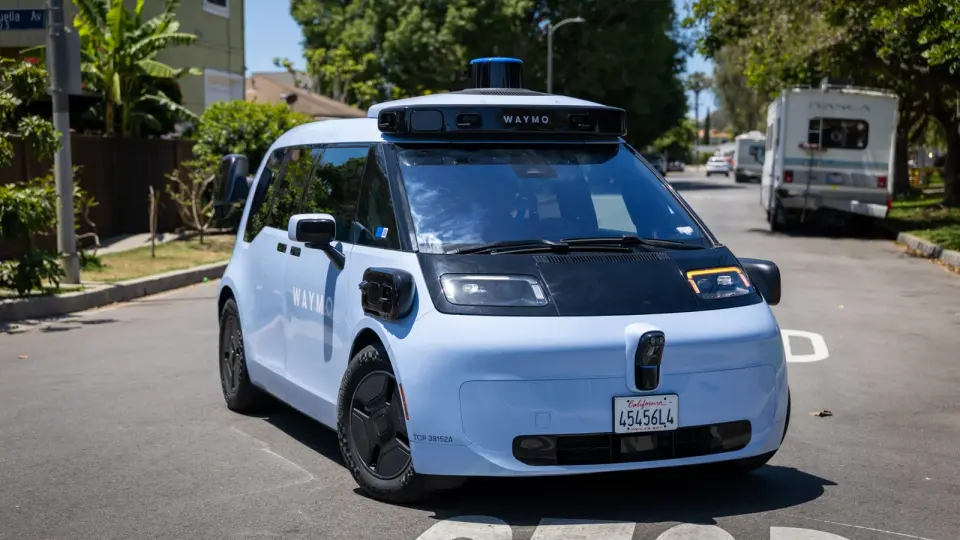
Alphabet’s Waymo has launched paid, driverless rides in Denver, San Diego, and Tampa, expanding its U.S. footprint to 14 cities with over 4,000 vehicles. Simultaneously, Amazon’s Zoox announced plans to begin supervised testing in Houston and San Diego this month. These moves intensify the robotaxi race ahead of a Tesla event scheduled for Thursday, where details on its Cybercab and ride-hailing service are expected. Goldman Sachs forecasts the U.S. robotaxi market will reach $19 billion by 2030, up from $3 billion in 2026. Waymo aims to exceed 1 million weekly rides by year-end, while Zoox remains in the testing phase with human supervisors on board.
Key points
- Waymo started paid driverless service in Denver, San Diego, and Tampa, bringing its total U.S. presence to 14 cities.
- Amazon’s Zoox plans to begin testing in Houston and San Diego this month with human drivers on board, reaching 12 U.S. markets.
- Tesla is expected to reveal details about its driverless Cybercab and Robotaxi service on Thursday.
- Goldman Sachs projects the U.S. robotaxi market will grow from $3 billion in 2026 to $19 billion in 2030.
- Waymo operates over 4,000 vehicles, including the new Ojai model, and aims for 1 million weekly rides by end of 2026.
Background
Waymo previously expanded into Sacramento and San Diego in August 2026 after California regulators approved its plan. In July 2026, Zoox received federal clearance to charge for rides in its wheel-free vehicles, marking a first for such technology. Earlier data showed Waymo capturing 15-16% of ride bookings in major cities like San Francisco and Phoenix, raising concerns about the impact on human drivers.
How outlets are covering it
CNBC emphasizes Waymo’s market dominance and the broader industry momentum, citing Goldman Sachs’ financial forecasts. The San Diego Union-Tribune highlights local regulatory hurdles, noting that the Metropolitan Transit System opposed Waymo’s expansion due to job loss and safety concerns, and details the specific 40-square-mile service area in San Diego. The Denver Post focuses on the local launch details, including a 60-square-mile service zone excluding Denver International Airport, and notes public skepticism, with a poll showing 60% of Denver voters unlikely to ride in a Waymo vehicle. All sources agree on the timing of the launches but differ in emphasis: CNBC on market scale, local outlets on regulatory and public acceptance challenges.
Why it matters
The expansion signals a shift from testing to commercial deployment for autonomous vehicles, potentially reshaping urban transportation and labor markets. The entry of multiple players into new cities increases competition and regulatory scrutiny, while public skepticism and safety concerns may influence adoption rates and policy decisions.
What to watch
Tesla is expected to announce details about its Cybercab and Robotaxi service on Thursday. Waymo plans to scale its fleet to hundreds of vehicles in new cities over time, while Zoox will continue testing in Houston and San Diego before potentially launching paid services. Regulators in California and other states will continue to monitor safety and compliance as these services expand.
- Waymo and Zoox expand into more U.S. markets as robotaxi race heats up CNBC
- Tampa residents can now schedule a ride with Waymo WFLA
- Welcoming our first riders in Denver, San Diego, and Tampa Waymo
- Waymo robotaxis go live today in San Diego; Amazon’s Zoox starts testing San Diego Union-Tribune
- Waymo’s Denver fleet is set to start providing driverless rides to the public today denverpost.com
Want the full story? Read the original reporting
Read on CNBC