
San Diego Jury Orders Apple to Pay $5.7 Billion in Haptics Patent Verdict
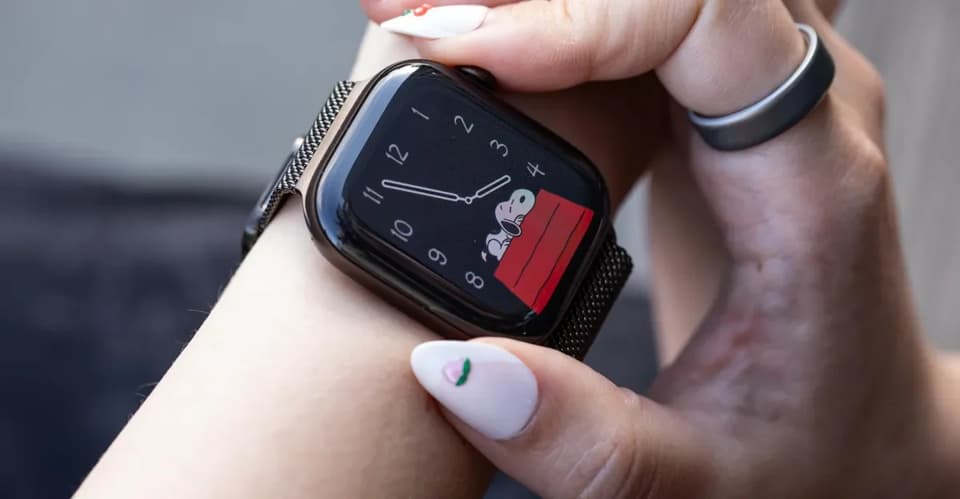
A federal jury in San Diego awarded Taction Technology over $5.7 billion in damages after finding that Apple’s Taptic Engine infringed on two haptics patents. The verdict, which stems from a lawsuit filed in 2021, covers technology used in iPhones and Apple Watches. Apple has vowed to appeal, arguing its technology is distinct from Taction’s designs, while Taction’s legal team celebrated the long-awaited decision.
Key points
- A federal jury in the Southern District of California awarded Taction Technology more than $5.7 billion in damages for patent infringement.
- The verdict found that Apple’s Taptic Engine, used in iPhones and Apple Watches, infringed on two specific patents: U.S. Patent Nos. 10,659,885 and 10,820,117.
- The jury determined that Apple infringed on two claims in one patent and one claim in the other, but did not find the infringement to be willful.
- Apple stated it intends to appeal the decision, asserting that its Taptic Engine is fundamentally different from Taction’s technology and that the damages are unsupported by facts.
- Taction’s lead counsel noted the case took five and a half years to reach trial, with the lawsuit originally filed in 2021 and revived by the Federal Circuit in 2025.
Background
This verdict follows a protracted legal battle that began in 2021 when Taction sued Apple. Apple initially won a dismissal in 2023, but the U.S. Court of Appeals for the Federal Circuit revived the case in 2025, ruling that the dismissal improperly restricted Taction’s use of expert testimony. The case also involved scrutiny of litigation funding, with discovery revealing connections to Burford Capital Ltd. through subsidiaries Gronostaj Investments LLC and Kenosha Investments LP. The Taptic Engine is a core feature in Apple’s recent devices, providing tactile feedback to simulate actions like clicks.
How outlets are covering it
The Verge and CNBC both report the $5.7 billion figure and Apple’s intent to appeal, but CNBC provides more detail on the procedural history, noting the 2023 dismissal and the Federal Circuit’s revival of the case. Bloomberg Law News adds depth by highlighting the role of litigation funders, specifically identifying Burford Capital’s involvement through subsidiaries, and notes that Apple’s legal team included multiple firms. All sources agree that the jury did not find the infringement willful, which may impact potential punitive damages. Taction’s counsel, Lance Yang and Tigran Guledjian, emphasized the five-and-a-half-year wait for trial, while Apple’s statement focused on the technical differences between the two technologies.
Why it matters
This is one of the largest patent infringement verdicts in U.S. history, signaling a significant financial risk for Apple and potentially setting a precedent for haptics technology patents. The outcome could influence future litigation involving tactile feedback technology in consumer electronics and may lead to increased scrutiny of patent claims in the mobile device industry. Apple’s appeal could prolong the legal battle, but the initial verdict underscores the high stakes of patent disputes in the tech sector.
What to watch
Apple has stated it will appeal the verdict, which could lead to further legal proceedings in the Federal Circuit. Taction may seek to enforce the judgment or pursue additional damages if the appeal fails. The case may also prompt other companies to review their haptics technology for potential patent issues. The outcome of the appeal will determine whether Apple must pay the $5.7 billion or if the case will be remanded for further review.
- Apple hit with $5.7 billion in damages over haptic patents The Verge
- Apple faces $5.7 billion patent infringement verdict over iPhone and Apple Watch haptics CNBC
- US jury says Apple owes record $5.7 billion in haptic technology patent case Reuters
- Apple Owes $5.7 Billion for Infringement of Haptics Patents (2) Bloomberg Law News
- Apple owes Taction Technology $5.7B for violating haptics patents Seeking Alpha
Want the full story? Read the original reporting
Read on The Verge