
Seniors and disabled drivers adopt Tesla FSD for mobility, raising safety concerns
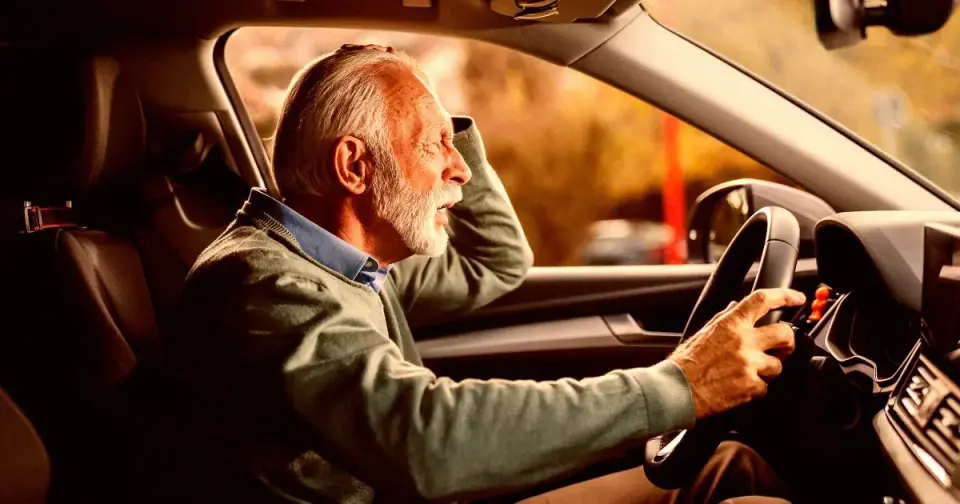
A growing number of elderly and disabled individuals are purchasing Teslas with Full Self-Driving (FSD) to maintain mobility as their driving abilities decline. While Tesla markets the technology as a solution for seniors, safety experts warn that the system requires constant human supervision, creating significant risks for users with age-related or physical impairments. Recent incidents, including a crash involving a sleeping driver, have intensified scrutiny of the technology's limitations.
Key points
- Elderly drivers, such as 89-year-old Joan Spalding, use Tesla FSD to navigate difficult roads and maintain independence, citing safety and convenience.
- Tesla’s FSD is a supervised system requiring constant human attention, despite marketing that often implies full autonomy.
- Safety experts, including researchers at MIT and the Insurance Institute for Highway Safety, warn that older drivers may struggle to intervene quickly if the system fails.
- A recent crash involving a Tesla in FSD mode, where the driver allegedly fell asleep, injured two police officers, highlighting the dangers of complacency.
- Tesla has over 1.7 million active FSD subscriptions, a 67% increase from the previous year, but does not disclose how many users are seniors.
Background
This trend follows a series of incidents in late 2026 involving Tesla FSD, including a fatal pedestrian crash on California’s I-80 and a collision with a police cruiser caused by a sleeping driver. These events have prompted renewed scrutiny of the technology’s safety and the adequacy of its supervision requirements. Additionally, Tesla recently launched FSD version 15, which includes new safety features and claims a 25-fold improvement in handling critical cases, though independent verification remains limited.
How outlets are covering it
Futurism and NPR emphasize the vulnerability of elderly users to Tesla’s marketing, which often overstates the capabilities of FSD. Futurism notes that Musk’s rhetoric and promotional videos encourage uncritical adoption, while NPR highlights the emotional and practical appeal of maintaining independence for seniors. In contrast, CleanTechnica presents a more nuanced view, acknowledging FSD’s potential to assist disabled drivers but stressing that it is not a replacement for human driving ability. The outlet’s editor explicitly warns that users must be capable of driving the trip themselves, contradicting the idea that FSD is the 'only option' for those with disabilities. Safety experts across all sources agree that FSD requires constant supervision, but they differ on the extent of the risk, with some arguing that the technology is 'impressive but not yet a replacement' for human drivers.
Why it matters
The adoption of Tesla FSD by elderly and disabled drivers raises critical questions about the balance between technological innovation and public safety. As the number of older drivers on the road increases, the reliance on supervised autonomous systems could lead to more accidents if users are not fully competent to intervene. This trend also highlights the broader challenges of integrating advanced technology into everyday life, particularly for vulnerable populations who may lack the resources or knowledge to assess the risks. The incident involving a sleeping driver underscores the need for clearer regulations and more transparent safety data from automakers.
What to watch
Tesla is expected to roll out FSD version 15 more widely in December 2026, which includes new safety features and claims of improved performance. However, the company has not disclosed detailed metrics to verify these claims. Regulators in the EU and other regions are also moving to approve supervised driving systems, but the focus remains on ensuring that human drivers remain responsible for the vehicle. As the technology evolves, there will likely be increased scrutiny of Tesla’s marketing practices and the safety of its FSD system, particularly for elderly and disabled users.
- Elderly People Who Can’t Drive Safely Anymore Are Buying Teslas So They Can Careen in Self-Driving Mode Futurism
- Seniors embrace Tesla automated driving technology despite questions about safety NPR
- Grandma Wants a Tesla: Tesla Stock (NASDAQ:TSLA) Notches Up During Increase in Elder Popularity TipRanks
- Tesla FSD V14 and Disabled Drivers: 1 Test, 1 Warning shattered.io
- Who Needs Automatic Driving? You Love to Drive! However, for Many Handicapped, Tesla’s Full Self Driving Is the Only Option. It’s Use It, or Don’t Drive! CleanTechnica
Want the full story? Read the original reporting
Read on Futurism