
SpaceX Pursues Boost Mobile and Cell Tower Deals After Big Three Carriers Reject Partnership
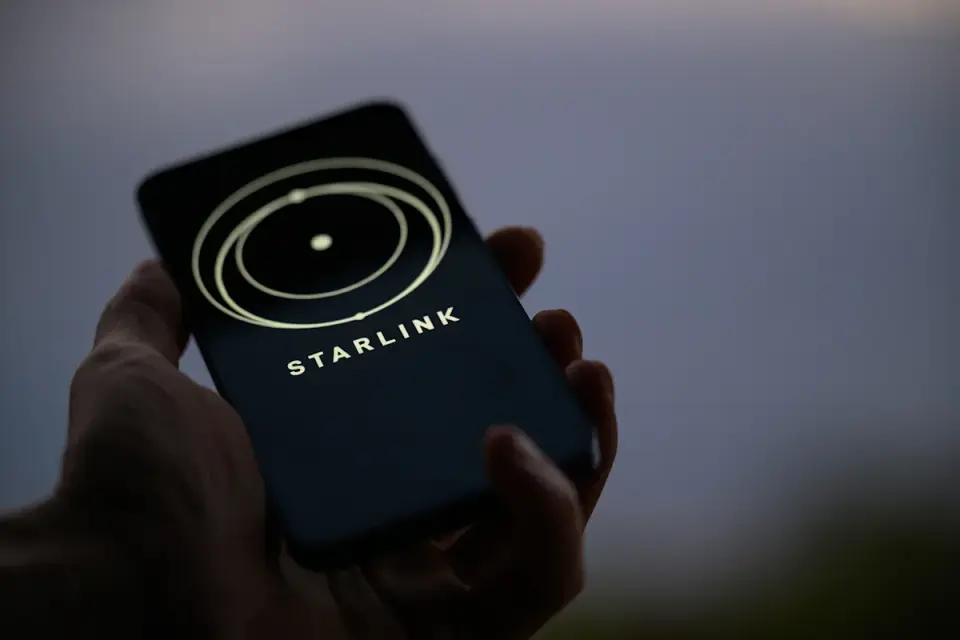
SpaceX is negotiating with EchoStar to acquire or access Boost Mobile’s network after Verizon, AT&T, and T-Mobile rejected partnership offers. Simultaneously, SpaceX is seeking access to 80,000 cell sites and acquiring spectrum to build a terrestrial mobile network, aiming to launch Starlink Mobile as a major U.S. carrier despite significant infrastructure challenges.
Key points
- SpaceX is in talks with EchoStar chairman Charlie Ergen to buy Boost Mobile or access its network, following rejections from the three largest U.S. carriers.
- The company is negotiating with Crown Castle and others to access at least 80,000 cell sites nationwide to support terrestrial coverage.
- SpaceX recently acquired $8 billion in wireless spectrum licenses and agreed to buy EchoStar’s AWS-4 and H-block licenses for approximately $17 billion.
- Analysts estimate building a full terrestrial network could cost over $80 billion and take years, making MVNO deals a faster alternative.
- SpaceX faces regulatory hurdles, as Boost Mobile’s lease agreements may require approval from host carriers AT&T and T-Mobile.
Background
SpaceX has been aggressively expanding its mobile ambitions, including a $17 billion spectrum deal with EchoStar in September 2025 and an $8 billion low-band spectrum acquisition in October 2026. The company aims to end mobile dead zones by combining satellite and terrestrial networks, though previous estimates suggested matching current carrier coverage could take nearly a decade and over $110 billion in capital expenditure.
How outlets are covering it
Yahoo Finance emphasizes the Boost Mobile deal as a potential workaround to bypass the Big Three carriers, noting that lease transfers may still require AT&T and T-Mobile approval. Fox News highlights the broader strategy of acquiring 80,000 cell sites and spectrum, framing it as a direct challenge to established carriers while noting that SpaceX currently partners with T-Mobile for satellite services. Both outlets agree that terrestrial infrastructure is critical for indoor and dense urban coverage, which satellites alone cannot provide.
Why it matters
If successful, SpaceX could introduce a fourth major wireless carrier in the U.S., potentially increasing competition and coverage in rural areas. However, the high costs and regulatory complexities of building or acquiring terrestrial networks mean Starlink Mobile may not launch as a standalone service until 2027 or later, with no confirmed pricing or timeline yet.
What to watch
SpaceX must secure FCC approval for its spectrum acquisitions and finalize negotiations with EchoStar and Crown Castle. The company will also need to determine whether to pursue an MVNO model or a full terrestrial build, with decisions likely influenced by regulatory approvals and capital availability in 2027.
- SpaceX weighs Boost Mobile deal in push for Starlink phone service: Report Yahoo Finance
- Inside Musk’s plan to upend the wireless phone industry The Washington Post
- SpaceX in talks to buy Boost Mobile or use its network, Washington Post reports Reuters
- SpaceX Looks to Disrupt Telecom the Old-Fashioned Way. EchoStar Stock Jumps. Barron's
- Elon Musk's Starlink could be your next cellphone carrier Fox News
Want the full story? Read the original reporting
Read on Yahoo Finance