
Tamagotchi’s 30th Anniversary Highlights Its Enduring Cultural Impact and Global Reach
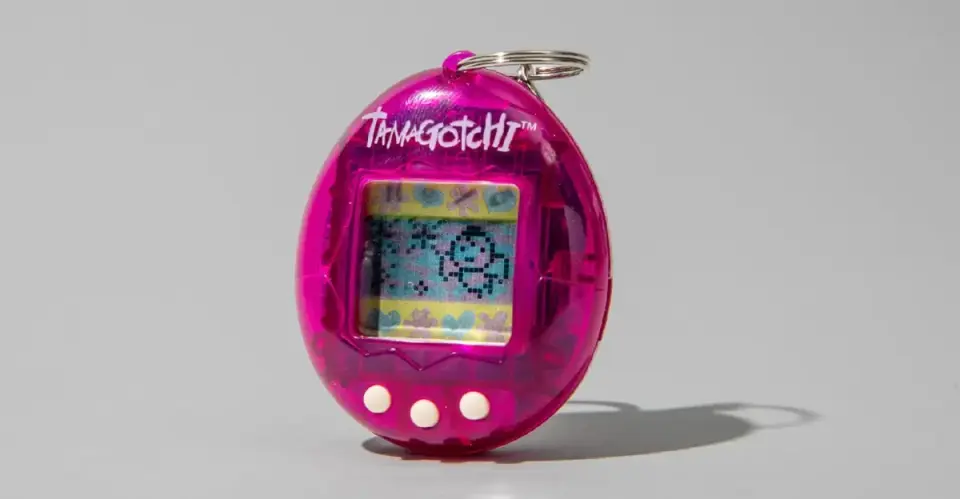
Marking 30 years since its 1996 launch, the Tamagotchi has shipped over 100 million units globally. While initially a disruptive craze among students, the device has evolved into a nostalgic collectible for adults, with recent innovations like the Tamagotchi Paradise and continued international sales sustaining its relevance.
Key points
- Bandai released the Tamagotchi in November 1996, creating a handheld device where users cared for a virtual pet on a small LCD screen.
- Total shipments have exceeded 100 million units, with 49% sold in Japan, 33% in the Americas, and 16% in Europe, the Middle East, and Africa.
- The device is available in over 50 countries, with the U.S. launch occurring in 1997.
- Recent iterations, such as the 2025 Tamagotchi Paradise, feature new functions like cellular-level zoom, appealing to adult collectors.
- The creators, Akihiro Yokoi and Aki Maita, won the 1997 Ig Nobel Prize in Economics for diverting millions of work hours into virtual pet care.
Background
The Tamagotchi emerged in the mid-1990s as a novelty item that quickly became a global phenomenon. It is often cited as a precursor to modern mobile gaming and digital pet trends. The 1997 Ig Nobel Prize recognized its significant impact on productivity and consumer behavior. Recent years have seen a resurgence of interest, driven by nostalgia among adults who experienced the original craze during their youth.
How outlets are covering it
The Verge emphasizes the cultural nostalgia and engagement tactics that made the Tamagotchi a sensation, noting its 30th anniversary and the difficulty of tolerating the experience today. The New York Times highlights the personal connection and community aspects for collectors, such as Rachel Liew, who owns over 200 units. Japan Today focuses on the commercial success and global distribution, noting the 100 million shipment milestone and the appeal to adults nostalgic for the Heisei era. Nippon.com provides historical context, detailing the initial disruption in schools and the Ig Nobel Prize, framing the Tamagotchi as a pioneering virtual pet.
Why it matters
The Tamagotchi’s longevity demonstrates the power of nostalgia and simple digital interactions in sustaining consumer interest decades after a product’s initial release. Its global reach and continued innovation show how a 1990s toy can remain relevant through new features and adult collectors.
What to watch
Bandai aims to integrate Tamagotchi into everyday life, potentially through further innovations and marketing to adult audiences. The company may continue to release new versions or features that appeal to both nostalgic adults and new generations.
- How Tamagotchis got us hooked on digital pets The Verge
- Why Nostalgia for Tamagotchis, the Virtual Pets, Won’t Die The New York Times
- Japan's Tamagotchi digital pet game marks 30 years; popularity grows overseas Japan Today
- Tamagotchi: Japan’s Pioneering Virtual Pet Nippon.com
- BANDAI’s DIGIMON TAMAGOTCHI & TAMAGOTCHI DIGIMON 30th Anniversary Set Swaps the Virtual Pet Icons 玩具人 TOY PEOPLE
Want the full story? Read the original reporting
Read on The Verge