
Tesla opens limited Cybercab sales with strict geofencing and mandatory subscription
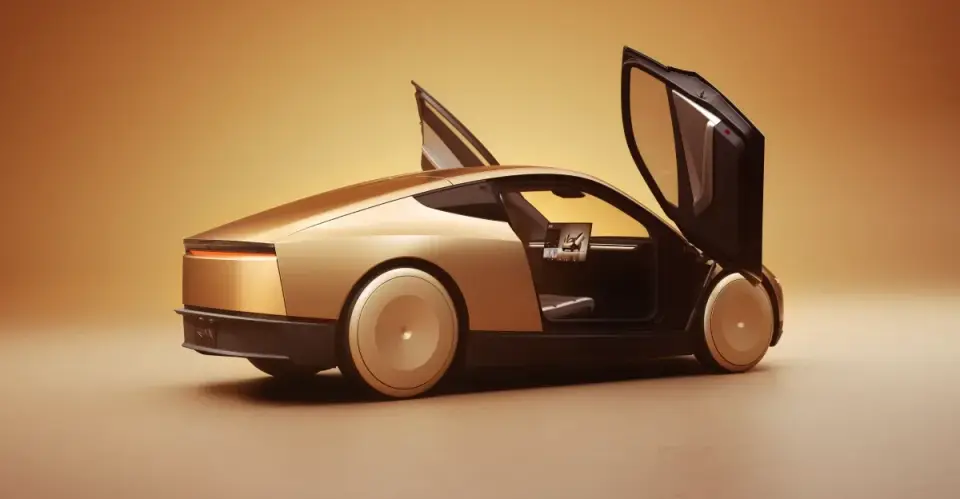
Tesla has begun accepting orders from select customers for its steering-wheel-free Cybercab, priced at $29,990 with a mandatory $299 monthly subscription. The vehicle is restricted to specific Robotaxi service areas and cannot be used for commercial purposes. While the low sticker price matches previous promises, the subscription model and operational limits raise questions about true ownership and long-term costs.
Key points
- Tesla is inviting select customers to purchase the Cybercab for $29,990, with a non-refundable $1,000 deposit and December 2026 delivery targets in Austin, Texas.
- A mandatory $299 monthly 'Autonomy Subscription' is required for the vehicle to operate; without it, the car becomes unusable on public roads due to the lack of manual controls.
- The vehicle is restricted to Tesla-enabled Robotaxi geofences and cannot be used for commercial activities like ride-hailing or delivery without separate written authorization.
- Initial availability is limited to cities where Tesla operates its Robotaxi service, including Austin, Dallas, Houston, San Antonio, and Fort Worth.
- The National Highway Traffic Safety Administration is currently auditing Tesla's self-certification of the vehicle, which lacks traditional controls like steering wheels and pedals.
Background
Tesla introduced the Cybercab in 2024 as a central part of its 'transportation-as-a-service' vision, with CEO Elon Musk promising a sub-$30,000 price point. The company began offering rides in the Cybercab as part of its Model Y-powered Robotaxi service in Austin in September 2026. Recent shifts in Tesla's product lineup, including the discontinuation of lower-tier Cybertruck models to prioritize Cybercab production, indicate a strategic pivot toward autonomous vehicles. The current sales offer follows a period of limited fleet deployment and regulatory scrutiny regarding the vehicle's compliance with federal safety standards.
How outlets are covering it
The Verge emphasizes the restrictive nature of the ownership model, highlighting that the mandatory $299 monthly subscription adds approximately $17,940 to the cost over five years, bringing the total baseline cost to roughly $47,600. The outlet notes that the subscription is required for any operation, meaning the car becomes a 'brick' if the service is canceled, and points out that commercial use is explicitly prohibited, contradicting earlier promises of passive income. Teslarati focuses on the contractual constraints, detailing restrictions on modifications, resale, and the potential for suspension of autonomous features due to safety violations. Both outlets acknowledge the limited geographic availability, but The Verge criticizes the lack of clarity on liability and insurance for a vehicle without human controls, while Teslarati notes that Musk has suggested the subscription fee should eventually drop to around $115 per month to align with Full Self-Driving costs.
Why it matters
This move marks a significant step in Tesla's transition from selling traditional vehicles to offering autonomous transportation services. The Cybercab's limited availability and strict operational constraints highlight the challenges of integrating fully autonomous vehicles into the public market, particularly regarding regulatory approval, liability, and consumer expectations. The success of this pilot will influence Tesla's broader strategy for scaling its Robotaxi network and could set precedents for how autonomous vehicles are regulated and sold in the future.
What to watch
Tesla plans to deliver the first Cybercabs in December 2026, with initial availability limited to Austin and other Texas cities. The company is expected to expand the service area as regulatory approvals are granted. Tesla AI chief Ashok Elluswamy has suggested that customer-owned Cybercabs may be allowed to join the Robotaxi network for commercial use by Q2 2027, which could change the financial calculus for early buyers. The outcome of the NHTSA audit will also be critical in determining whether the vehicle can be legally operated on public roads beyond the current geofenced areas.
- Tesla is inviting some people to buy a Cybercab ‘for personal use’ — but read the fine print The Verge
- Tesla Opens Sales of Autonomous Cybercab for ‘Select’ Customers WSJ
- Tesla Cybercab ownership will come with plenty of strings attached Teslarati
- Tesla: Sales Of Self-Driving Cybercab Coming Soon To Invitees: $20/hr? Forbes
- Tesla invites select customers to buy Cybercab for personal use Reuters
Want the full story? Read the original reporting
Read on The Verge