
The Growing Role of Chatbots and GPT-4 in Healthcare.
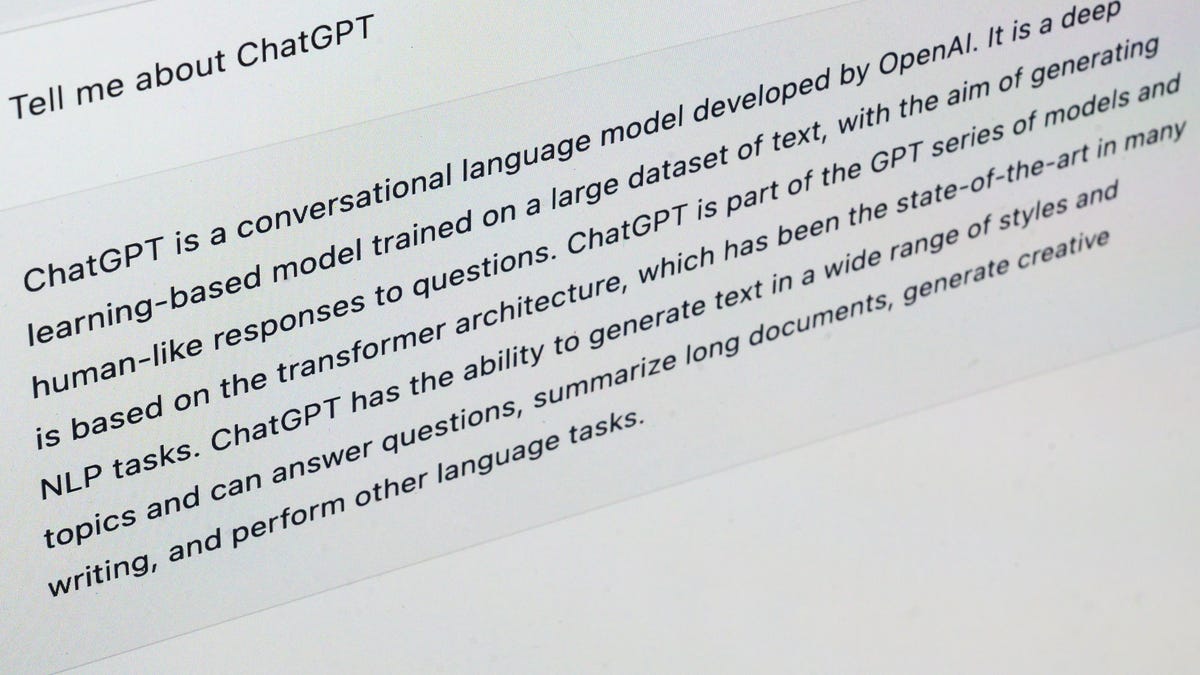
Microsoft's ChatGPT, an AI platform designed to answer user questions in a conversational tone, has potential for recording medical notes, offering diagnostic possibilities, educating clinicians and patients, and analyzing and summarizing data. However, Peter Lee, a vice president at Microsoft, warns against relying on ChatGPT for medical advice, as it may provide inaccurate or outdated information. ChatGPT-4, the latest version, is better than ChatGPT-3 in terms of scale, accuracy, multilingual capabilities, contextual understanding, and consistency. While ChatGPT may sound like a real person and provide empathetic responses, it does not possess a theory of mind and should not be solely relied upon for medical advice or diagnosis.
- ChatGPT for medical advice: Can chatbots be trusted? What to know. USA TODAY
- Microsoft Research Chief Lost 'A Couple Weeks of Sleep' Over ChatGPT-4 TheStreet
- How Well Do Large Language Models Support Clinician Information Needs? Stanford HAI
- Is ChaGPT Fast Becoming ChatMD? Introducing Generative AI To Healthcare Forbes
- Microsoft Research head Peter Lee on the applications of GPT-4 in medicine and life sciences GeekWire
Reading Insights
0
9
4 min
vs 5 min read
89%
934 → 107 words
Want the full story? Read the original article
Read on USA TODAY