
Thomson Reuters Launches Thomson-1 to Cut AI Costs and Boost Legal Accuracy
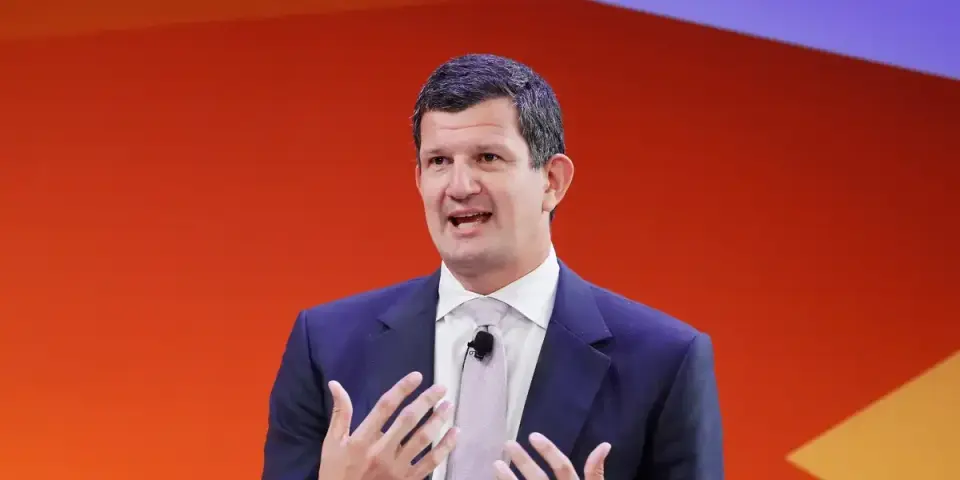
Thomson Reuters has launched its first proprietary AI model, Thomson-1, to reduce reliance on expensive external providers like Anthropic. Built on an open-source Chinese model and trained on the company's legal content, Thomson-1 aims to lower costs and improve accuracy for legal tasks. The company plans to integrate the model into its CoCounsel assistant, starting with document review, while maintaining partnerships with other AI labs.
Key points
- Thomson Reuters launched Thomson-1, its first proprietary AI model, on August 24, 2026.
- The model is based on an open-source Qwen model from Alibaba, which was 'realigned' with Thomson Reuters' content and values.
- Thomson-1 will initially power the Tabular Analysis feature in the CoCounsel Legal AI assistant, focusing on high-volume document review.
- The company spent approximately $40 million over two years to develop the model, with the final training run costing just $450,000.
- Thomson-1 is designed to reduce costs and improve accuracy for legal tasks, while Thomson Reuters continues to use Anthropic's Claude for other functions.
Background
Thomson Reuters has been expanding its AI capabilities, including a partnership with Anthropic for its CoCounsel legal assistant. The launch of Thomson-1 follows a trend of large companies seeking to reduce AI costs and increase control over their AI models. The company's move reflects a broader shift in the AI industry towards specialized, domain-specific models that can be more efficient and cost-effective than general-purpose frontier models.
How outlets are covering it
Business Insider emphasizes the cost savings and the shift away from Anthropic, highlighting the use of a Chinese open-source model. SiliconANGLE focuses on the technical details of the model's development, including the use of open-weight models and the involvement of subject-matter experts. LawSites highlights the model's performance in legal tasks and the potential for it to change the economics of professional AI. Artificial Lawyer provides insights from Thomson Reuters CEO Steve Hasker, who discusses the model's development and its potential to provide sovereign AI solutions for law firms.
Why it matters
The launch of Thomson-1 marks a significant step for Thomson Reuters in reducing its reliance on external AI providers and improving the accuracy and efficiency of its legal AI tools. The model's development on an open-source Chinese model also highlights the growing influence of Chinese AI in the global tech landscape, despite concerns about security and data privacy. For law firms and legal professionals, Thomson-1 offers a more cost-effective and specialized AI solution, potentially changing the way legal work is done.
What to watch
Thomson Reuters plans to expand the use of Thomson-1 across its portfolio of legal and tax products, including Westlaw and Practical Law. The company is also in discussions with large law firms and corporations about direct access to the model, potentially allowing them to fine-tune it with their own data. A technical report with comprehensive benchmark results is expected to be published soon, and a smaller open-weight version of the model will be released on Hugging Face for academic testing.
- Here's how Thomson Reuters is loosening Claude's costly grip Business Insider
- Thomson Reuters launches proprietary AI model for legal work SiliconANGLE
- Thomson Reuters Launches Thomson, Its Own Proprietary LLM Trained on Westlaw and Practical Law Content LawSites
- TR CEO Steve Hasker on Thomson 1.0 Artificial Lawyer
- Thomson Reuters trained its own AI model. Then it kept using Anthropic’s anyway. The New Stack
Want the full story? Read the original reporting
Read on Business Insider