
UK officials secretly isolate thousands of vulnerable supermarket fridges after discovering critical flaw
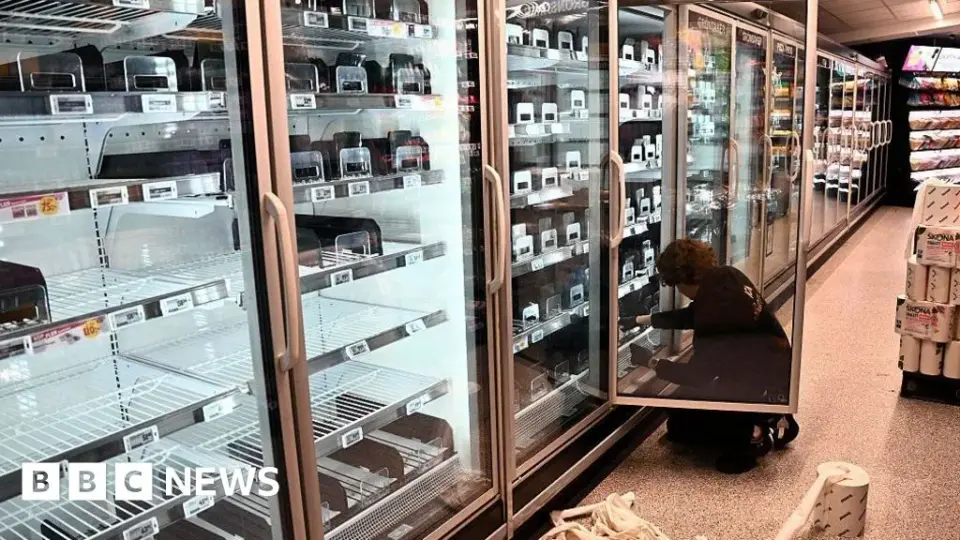
A coordinated, secretive operation by UK authorities has secured tens of thousands of refrigeration units across supermarkets, warehouses, and stadiums after researchers identified a critical vulnerability in controllers made by British firm Resource Data Management (RDM). The flaw, discovered in late October, posed a risk similar to recent European attacks that spoiled food and caused millions in damages. While RDM disputes the severity, citing hardware-based access requirements, security experts argue the risk was imminent. The National Cyber Security Centre (NCSC), Defra, and the Food Standards Agency led the response, forcing companies to take devices offline or remove internet connections. This move follows three waves of cyber-attacks on European refrigeration systems this year, including incidents in France, Belgium, and Luxembourg, where hackers manipulated temperatures to spoil food. The UK operation remains undisclosed to prevent exploitation, with RDM having already deployed patches and mitigations.
Key points
- Ethical hackers at Omega Systems and Pentest Partners identified a major flaw in RDM controllers in late October, prompting a secret nationwide response.
- The NCSC, Defra, and FSA coordinated with dozens of companies, including supermarkets and petrol stations, to take thousands of devices offline or disconnect them physically.
- RDM disputes the critical nature of the vulnerability, claiming it requires physical hardware access, but security experts note the hardware is cheaply available online.
- Recent European attacks on Danfoss and other controllers caused significant food spoilage; France blamed Iran for one wave, a claim Tehran denies.
- RDM has deployed first patch releases and is working with authorities, while experts warn that default passwords and lack of exploit mitigations remain widespread risks.
Background
This incident follows a series of cyber-attacks on refrigeration systems in Europe this year. In August, US military bases were affected. In October, hundreds of French supermarkets and food processing sites were hit, with France blaming Iran. In November, dozens of supermarkets across seven European countries, including Belgium and Luxembourg, were targeted, along with some blood banks in France. These attacks highlighted vulnerabilities in temperature control systems, leading to significant financial losses and food waste. The UK had been thought largely immune due to different device usage, but the discovery of the RDM flaw revealed a similar risk. Previous archive articles may have covered general IoT security concerns or specific regional cyber incidents, but this operation represents a proactive, large-scale defensive measure rather than a reactive response to an active attack.
How outlets are covering it
BBC reports that the operation was secretive to prevent hackers from exploiting the vulnerability, with a supermarket worker describing it as a 'race against time' to protect millions of pounds in food. RDM disputes the critical nature of the flaw, stating that hacking would require physical hardware access and that they have acted swiftly to patch the issue. The Register highlights a different but related issue, noting that a Dutch researcher found six zero-days in Danfoss controllers in under an hour, criticizing the lack of basic exploit mitigations and urging operators to remove internet exposure rather than rely on patching. AP News provides a broader consumer perspective, advising that while the risk to individual smart home devices is low, users should change default passwords, update firmware, and use guest networks for IoT devices to mitigate similar risks. The sources differ in emphasis: BBC focuses on the UK’s proactive, secretive response; The Register critiques the technical deficiencies in European controllers; and AP News offers general security advice for consumers.
Why it matters
The incident underscores the critical vulnerability of essential infrastructure, such as food supply chains, to cyber-attacks. The secretive nature of the response highlights the potential for widespread disruption if such flaws are exploited. It also reveals the ongoing challenges in securing IoT devices, particularly those with default passwords and outdated firmware. For businesses, it emphasizes the need for proactive security measures and rapid response to vulnerabilities. For consumers, it serves as a reminder to secure smart home devices, even if the immediate risk is low. The broader implications include the potential for nation-state actors or criminals to target critical infrastructure, leading to significant economic and social consequences.
What to watch
RDM continues to work with the NCSC and other authorities to monitor the situation and deploy patches. Security experts recommend that operators remove direct internet exposure from vulnerable controllers to mitigate risks. Consumers are advised to change default passwords, update firmware, and use guest networks for IoT devices. Further investigations may reveal whether the RDM flaw was exploited or if similar vulnerabilities exist in other controllers. The incident may also lead to increased scrutiny of IoT security standards and regulations, particularly regarding default passwords and exploit mitigations.
- Tens of thousands of UK fridges secured from hackers in secret nationwide operation BBC
- One Tech Tip: Supermarket refrigerators got hacked. Make sure your smart home devices are secure AP News
- 'Not rocket surgery' claims researcher who found six Danfoss fridge controller zero-days in under an hour The Register
- When hackers target grocery stores Tech Xplore
- How we can prepare for future cyberattacks on critical infrastructure The Conversation
Want the full story? Read the original reporting
Read on BBC