
MTA Pilot Shows 35% Average Drop in Subway Fare Evasion with New Gates
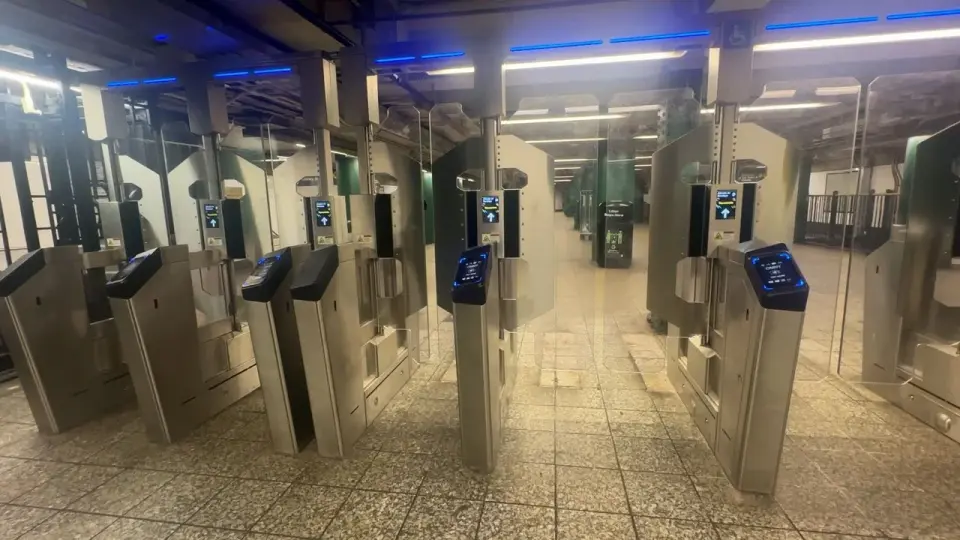
The MTA reported that modern fare gates installed at 20 pilot stations reduced fare evasion by an average of 35% in the first half of 2026. Governor Kathy Hochul and MTA leadership announced the expansion of the program to 20 additional stations, with plans to eventually cover 150 stations. The new saloon-style doors feature sensors and cameras to detect payment while improving accessibility for riders with disabilities or luggage. Cubic, the vendor behind OMNY, achieved the highest reduction rates at specific Brooklyn locations.
Key points
- Fare evasion dropped by an average of 35% across the 20 pilot stations in the first half of 2026.
- Cubic’s gates reduced evasion by over 70% at Hoyt Street and Nostrand Avenue stations in Brooklyn.
- The MTA is expanding the pilot to 20 more stations, including full station replacements rather than single arrays.
- The new gates eliminate emergency exit doors, which the MTA identified as a major source of fare evasion.
- A $1.1 billion allocation in the 2025 capital plan funds the eventual installation at 150 stations.
Background
This development follows broader national efforts to modernize transit fare collection, such as the Seattle light-rail pilot announced in August 2026. In New York, the MTA has long struggled with fare evasion, which stood at approximately 10% for subways as of July 2026. The new gates aim to replace outdated 1990s-era turnstiles and address accessibility issues that previously required separate emergency exits.
How outlets are covering it
Spectrum News NY1 and amNewYork both confirm the 35% average reduction and the expansion plans. However, they differ in their emphasis on vendor performance. Spectrum News highlights that Cubic achieved the strongest results at two high-evasion stations, while amNewYork notes that MTA CEO Janno Lieber declined to rank the vendors competitively because the testing occurred at different stations. amNewYork also includes rider advocacy group PCAC’s support for the initiative, whereas Spectrum News focuses on individual rider opinions regarding the gates' effectiveness and accessibility.
Why it matters
Reducing fare evasion directly impacts the MTA’s revenue, which funds service operations and employee wages. The new gates also improve accessibility for riders with mobility challenges, aligning with broader goals for inclusive public transit infrastructure.
What to watch
The MTA will install gates at 20 more stations in the next phase, followed by 30 additional stations by the end of 2027. The agency will proceed to a competitive bidding process to select a single vendor for the remaining 150 stations.
- New subway fare gates cut evasion by 72% at some stations, MTA says Spectrum News NY1
- MTA moves ahead with $1.1B plan to put modern fare gates at 150 subway stations Gothamist
- Governor Hochul Announces New Subway Gate Pilot Reduced Fare Evasion by 35%, Unveils Next 20 Stations to Receive Modern Fare Gates Governor Kathy Hochul (.gov)
- Fare evasion: Hochul, MTA leaders say stations testing modern fare gate models see 35% drop in the costly crime amNewYork
- Subway Gates Deterred Fare Evasion, M.T.A. Says. More Will Be Installed. The New York Times
Want the full story? Read the original reporting
Read on Spectrum News NY1