
UK Air Traffic Glitch Grounds 2,000 Flights, Sparking Calls for NATS Reform
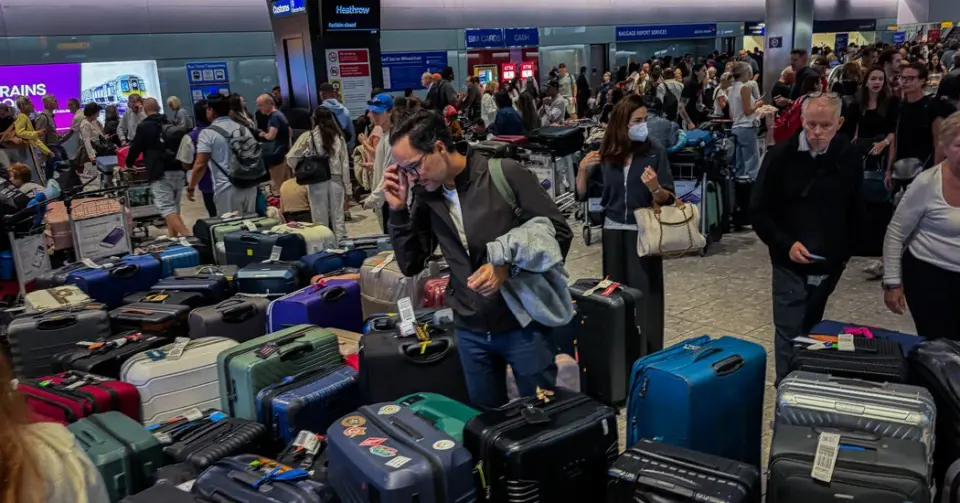
A technical failure in the UK’s air traffic control system caused the cancellation of over 2,000 flights across two days, primarily affecting Heathrow, Gatwick, and Manchester. The outage, which began on Tuesday, left tens of thousands of passengers stranded and disrupted international routes. While National Air Traffic Services (NATS) resolved the issue within hours, the recovery process has led to a significant backlog. The incident has reignited debate over the reliability of UK aviation infrastructure, with budget airlines demanding leadership changes and the government ordering an independent investigation.
Key points
- Over 2,000 flights were canceled or delayed across the UK over two days, with Heathrow and Gatwick bearing the brunt of the disruption.
- The failure originated in NATS’s flight processing system at its Swanwick Centre in Hampshire, causing a four-hour outage on Tuesday.
- NATS CEO Martin Rolfe apologized for the chaos but defended the organization’s systems as 'fit for purpose,' rejecting claims of a cyberattack.
- UK Transport Secretary Heidi Alexander called the failure 'avoidable' and ordered an independent review by the Civil Aviation Authority.
- Passengers are unlikely to receive financial compensation, as the disruption is classified under 'extraordinary circumstances' by the Civil Aviation Authority.
- Budget carriers like Ryanair and Wizz Air have called for NATS leadership to resign, citing this as the third major system failure in three years.
Background
This incident follows a pattern of recurring technical failures in UK air traffic control. A similar major outage occurred in August 2023, which disrupted 700,000 passengers, and a smaller incident in 2025 caused 150 cancellations. In 2025, Heathrow also faced a significant power outage that caused global travel chaos. These repeated issues have led to growing concerns about the resilience of NATS, a public-private partnership where the government holds a 49% stake.
How outlets are covering it
The New York Times highlights the human impact, describing scenes of 'chaos' and 'misery' at Heathrow, where passengers faced hours-long waits and a lack of information. CNN emphasizes the operational scale, noting that 1,300 flights were canceled on the first day alone and that international carriers like Air India and Qatar Airways were forced to reroute flights. The BBC focuses on the political fallout, reporting that Transport Secretary Heidi Alexander called the failure 'avoidable' and that airlines are demanding accountability for the financial losses they incur. While NATS claims its systems are fit for purpose, budget airlines argue that the organization is 'not fit for purpose' in its current form, citing the frequency of these outages.
Why it matters
The disruption underscores the fragility of critical national infrastructure and the financial burden placed on airlines and passengers when technical failures occur. The lack of compensation for affected travelers and the repeated nature of these outages have intensified calls for regulatory reform and greater accountability for NATS, potentially influencing future aviation policy and infrastructure investment in the UK.
What to watch
NATS is expected to report its findings on the incident within one week. The Civil Aviation Authority will conduct an independent review, with an update expected in six months. Airlines and the government will likely continue to debate the need for systemic reforms and potential leadership changes at NATS to prevent future disruptions.
- Misery at Heathrow: ‘Never Seen Chaos Like That’ The New York Times
- Massive disruption hits UK airports after air traffic control issue cnn.com
- Air traffic failure was avoidable, says transport secretary BBC
- Airlines scramble to dig out from tech problems that canceled 1,750 flights in the UK ABC News - Breaking News, Latest News and Videos
- ‘Baggage reclaim was pandemonium’: passengers hit by airport IT chaos in UK recount their ordeals The Guardian
Want the full story? Read the original reporting
Read on The New York Times