
Post-Outage Fallout: Travelers Face Financial Ruin and Deep Skepticism as System Fragility Exposed
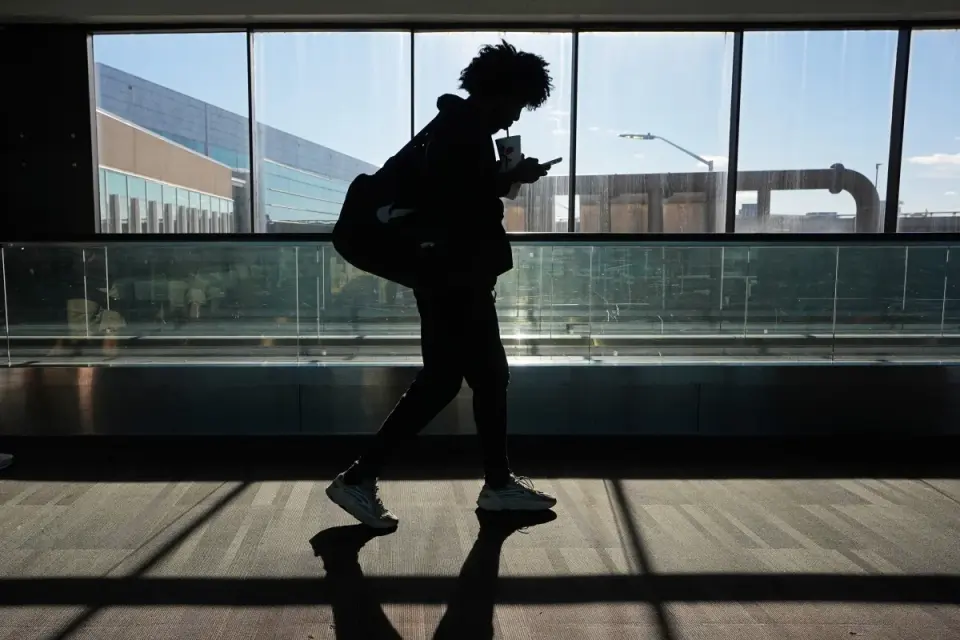
The recent nationwide air travel outage has extended its impact far beyond the initial four-hour ground stop, creating a cascade of financial losses and emotional stress for millions of travelers. While the immediate disruption involved canceled flights and lost luggage, the subsequent days revealed a broader crisis of confidence in U.S. infrastructure. Travelers reported exorbitant costs for alternative transport, such as a $400 Uber ride from Detroit to Chicago, and faced hours of uncertainty regarding baggage and rebooking. The event coincided with other major digital failures, including banking slowdowns and a United Airlines glitch, highlighting systemic vulnerabilities. Although federal officials attribute the outage to a contractor error and aging equipment, public skepticism remains high, with many questioning the official narrative. The incident underscores the growing economic and personal toll of increasingly frequent disruptions, prompting calls for better infrastructure funding and transparency.
Key points
- The outage caused immediate chaos, with travelers facing hours-long waits for luggage and significant financial burdens, including a $400 Uber ride from Detroit to Chicago for one couple.
- The disruption rippled outward for days, affecting subsequent travel plans and causing widespread stress, grief, and lost time that are difficult to quantify or reimburse.
- The incident occurred amidst a series of other major U.S. infrastructure failures, including banking slowdowns and a United Airlines weight calculation glitch, raising concerns about overall system resilience.
- Federal officials blamed the outage on a router upgrade by contractor L3Harris and aging infrastructure, but public trust in these explanations is low, with many travelers expressing skepticism about the official narrative.
- The economic impact is significant, with the International Air Transport Association reporting $10.9 billion in costs from delays between 2015 and 2025, and the FAA valuing passenger time at approximately $66 per hour in today's dollars.
Background
This event follows a pattern of increasing infrastructure fragility in the United States. Earlier in November, a series of digital outages disrupted Microsoft Outlook, banking services, and air travel, sparking public concern about resilience. The current outage is part of a broader trend of delays that have accelerated since the COVID-19 pandemic, with the International Air Transport Association noting a sharp increase in holdups starting in 2021. The recent FAA ground stop, attributed to a telecommunications failure, disrupted 17 of 22 air traffic control centers, intensifying debates over funding for modernizing aging air traffic control infrastructure. This latest incident adds to a week of major disruptions, including a United Airlines weight calculation glitch that delayed hundreds of flights, further eroding public confidence in the reliability of critical systems.
Why it matters
The outage highlights the growing economic and personal costs of infrastructure failures, which are becoming more frequent and severe. The ripple effects extend beyond immediate travel disruptions, impacting workers, caregivers, and freelancers, and eroding public trust in government and corporate explanations. As delays accelerate faster than the increase in scheduled passenger flights, the need for robust infrastructure investment and transparent communication becomes increasingly urgent to mitigate the cumulative toll on society.
What to watch
Travelers are advised to buy travel insurance, avoid checking luggage when possible, and remain patient with airline and security workers. The FAA and other federal agencies are expected to continue investigating the root causes of the outage and the broader infrastructure failures. Public scrutiny will likely intensify as more details emerge, and calls for increased funding for modernizing air traffic control and other critical systems may gain momentum. The coming Thanksgiving travel week, which typically sees over 2 million passengers screened by TSA, will serve as a critical test of the system's recovery and resilience.
Want the full story? Read the original reporting
Read on AP News