Waymo’s co-CEO Tekedra Mawakana says the burden of proving driverless ride safety lies with the company as Waymo expands to 10 U.S. cities, eyes international growth, and raises about $16 billion with a valuation near $126 billion.
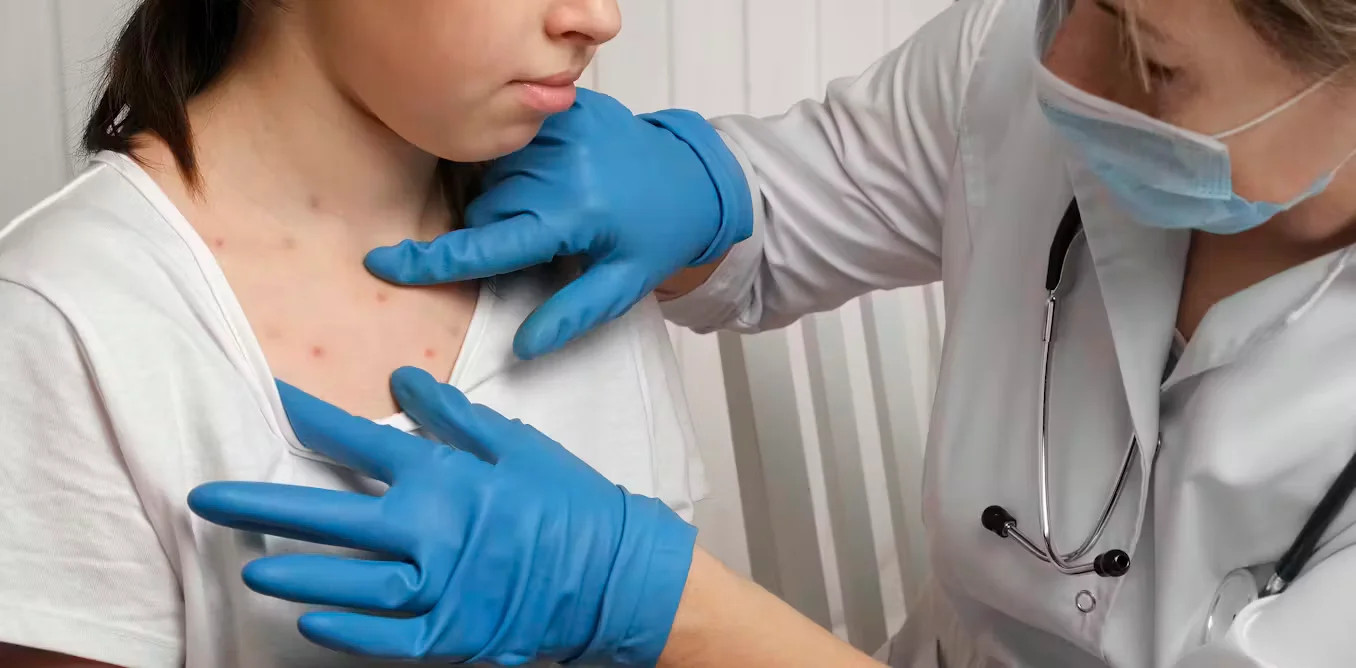
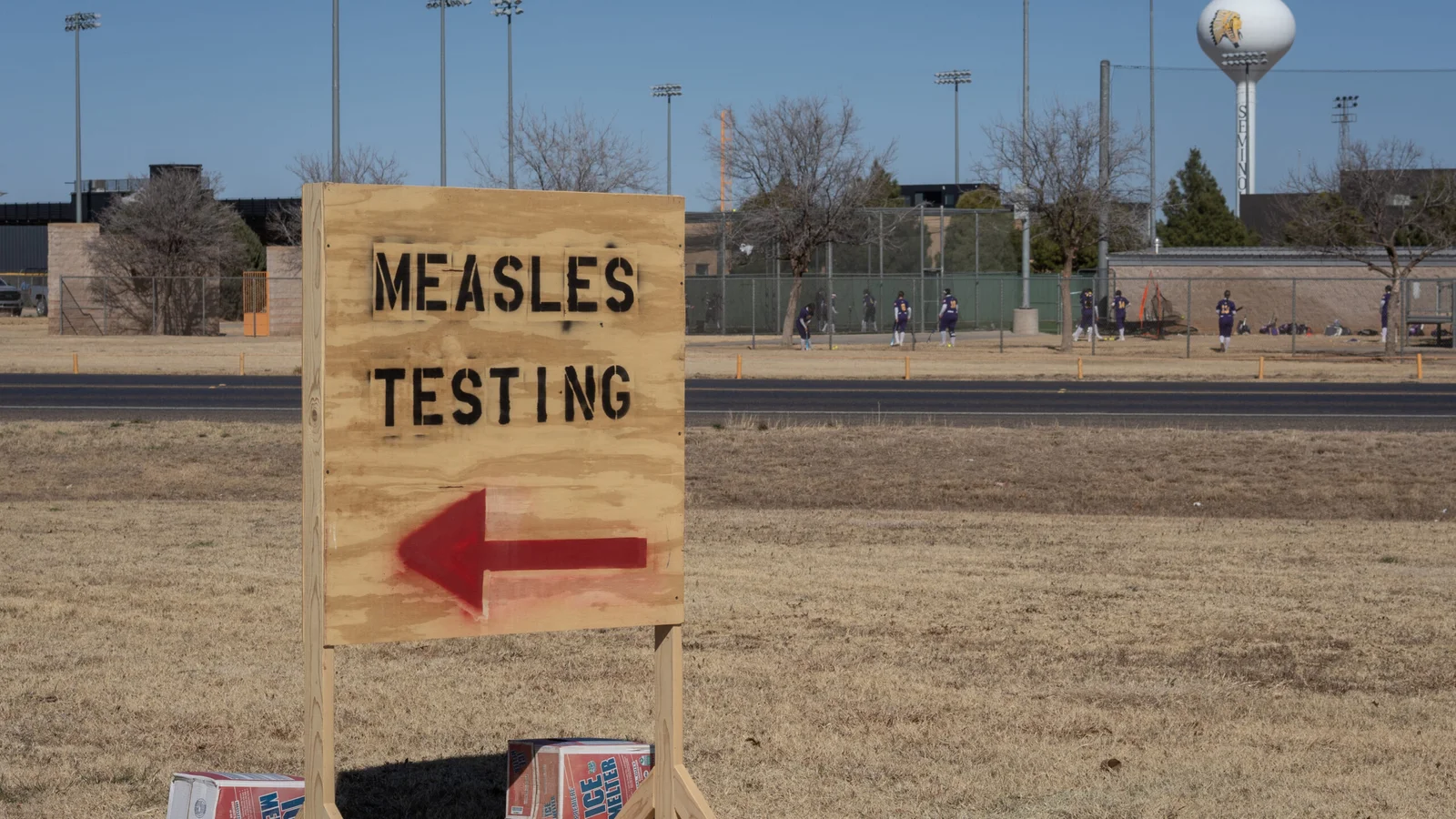
Measles has reappeared in the U.S. after being eliminated in 2000, driven by falling MMR vaccination rates that have dropped below the 95% herd-immunity target in many areas. By March 2026 there were about 1,300 cases this year across at least 30 states, ongoing outbreaks and hospitalizations, and three deaths in 2025. The resurgence signals not only health risks but broader vulnerabilities in public trust and in our ability to respond to infectious threats, with potential loss of elimination status in North America and large economic costs. Public health efforts now must focus on vaccination, rapid case detection, and maintaining trust in health institutions to prevent wider spread.
Measles has re-emerged in the US after decades of rarity, driven by vaccination gaps that push local pockets below the 95% herd-immunity threshold. Outbreaks have spread from Texas in 2025 to Utah/Arizona and South Carolina in 2026, with about 1,300 cases by March 2026 (2,283 in 2025 and 3 deaths). The resurgence risks hospitalizations, pneumonia, SSPE, and substantial economic costs, and it highlights eroding public trust in vaccines and health institutions, as well as the possibility that the U.S. and neighboring countries could lose elimination status.
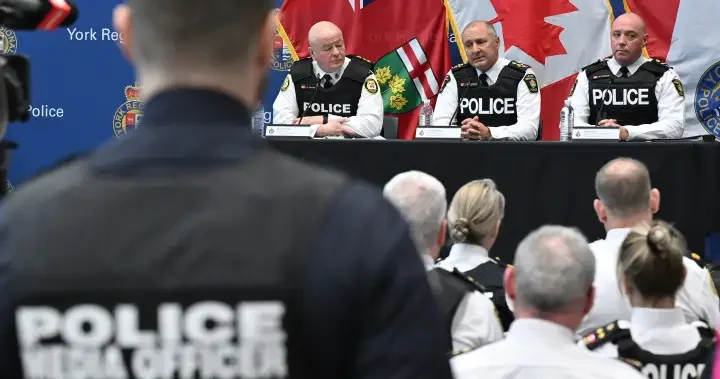
A study found public trust in the Toronto Police Service was strained due to concerns about misconduct and bias. The arrest of seven serving Toronto officers in a major organized-crime investigation compounds the crisis, prompting questions about credibility of prior testimony and calling for changes including greater accountability and a judicial inquiry to restore public confidence.
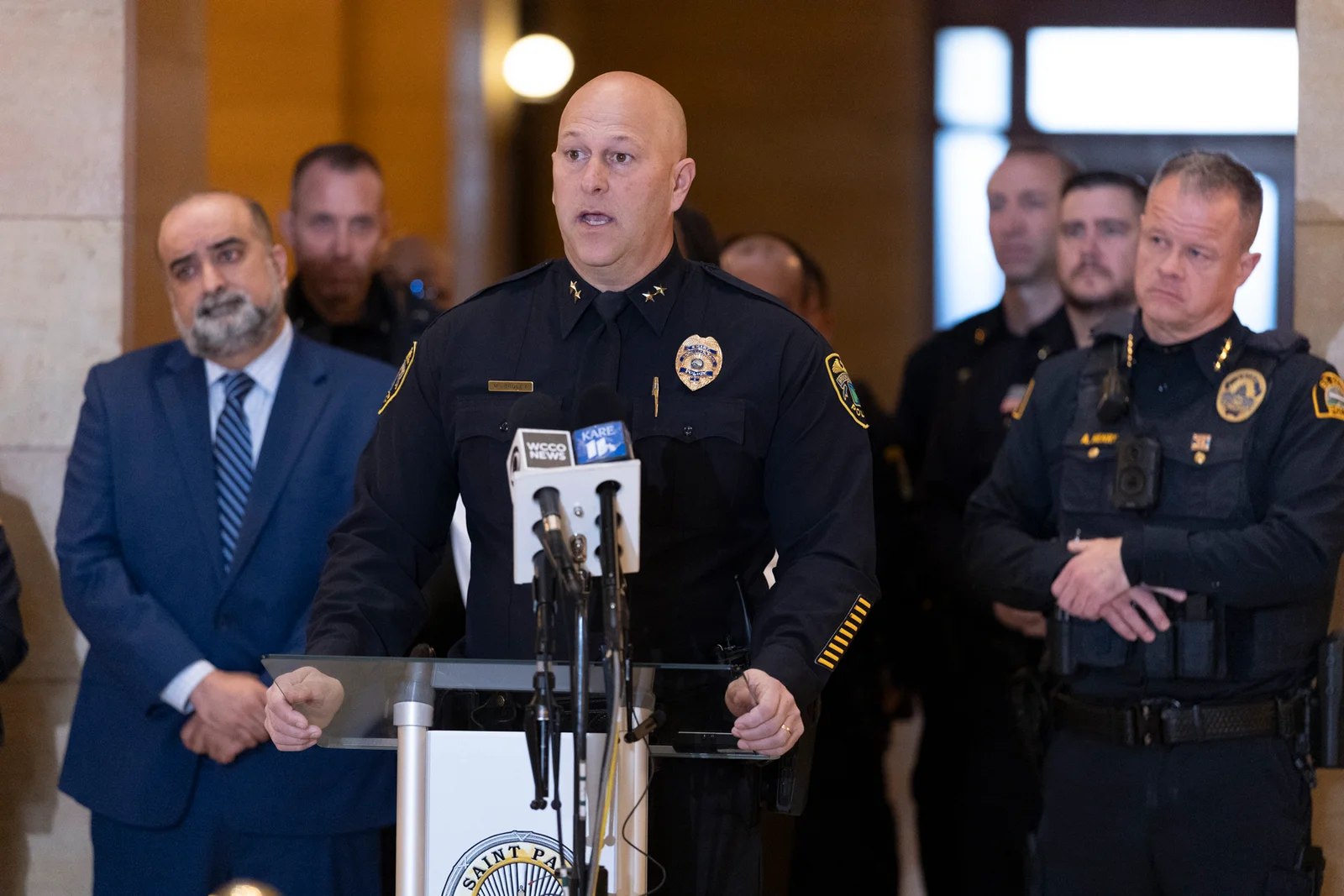
Three Minnesota law-enforcement leaders at a State Capitol news conference warned that a surge of federal immigration activity (Operation Metro Surge) is eroding trust with communities. They cited incidents where ICE officers stopped people— including an off-duty Brooklyn Park officer— demanded immigration papers, sometimes displayed weapons or failed to identify themselves, and noted a lack of coordination and public guidance from federal authorities. The chiefs argued traffic stops require reasonable suspicion and stressed that civil-rights protections must guide interactions; they reported dozens of complaints from officers and community members and said the actions harm both residents and officers who have worked to rebuild trust since 2020. While supporting immigration enforcement, they urged Washington to address the conduct of a small group of agents, against a backdrop of protests and lawsuits linked to the operation.
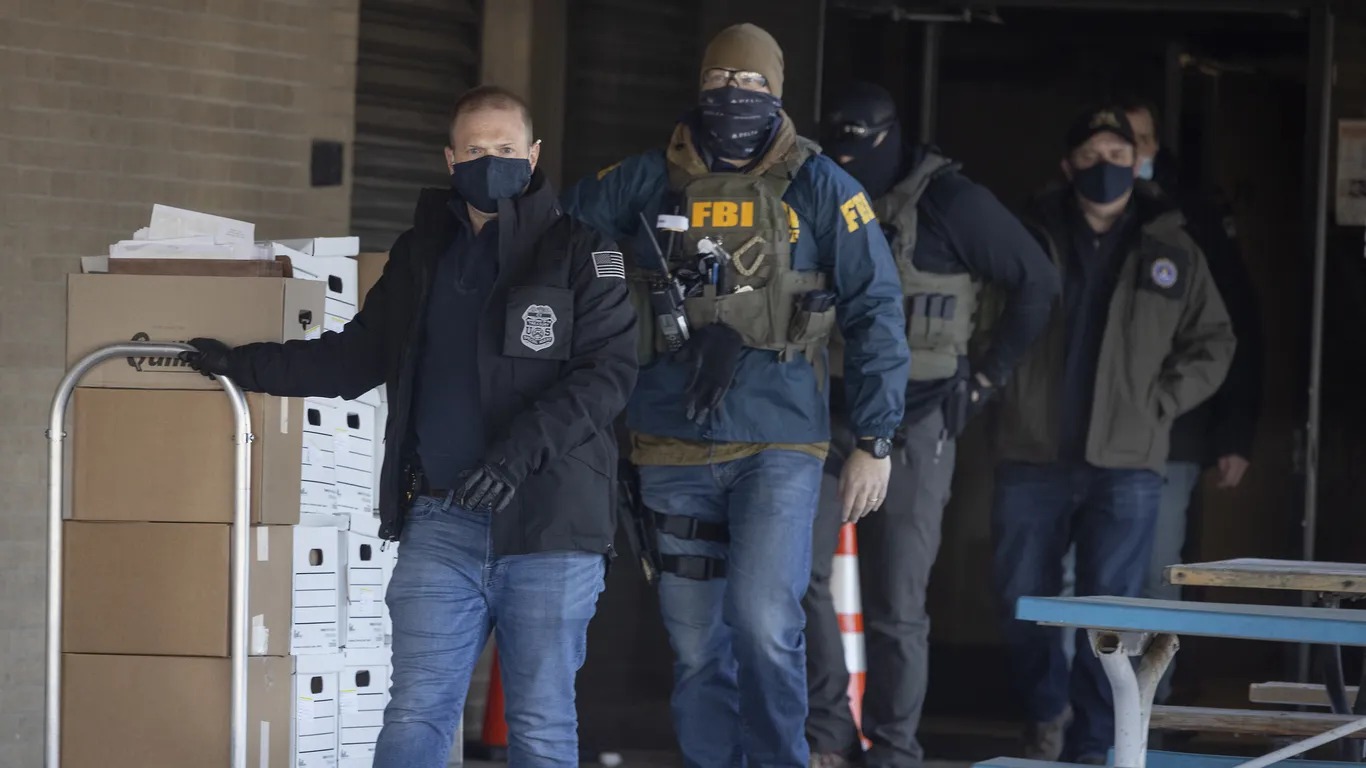
A major fraud scandal in Minnesota involving multiple safety-net programs, including a large school meal fraud scheme, has led to political fallout and the governor dropping his re-election bid. Federal and state investigations reveal systemic oversight failures, with allegations of misuse of funds across various programs, prompting systemic reforms and heightened scrutiny.
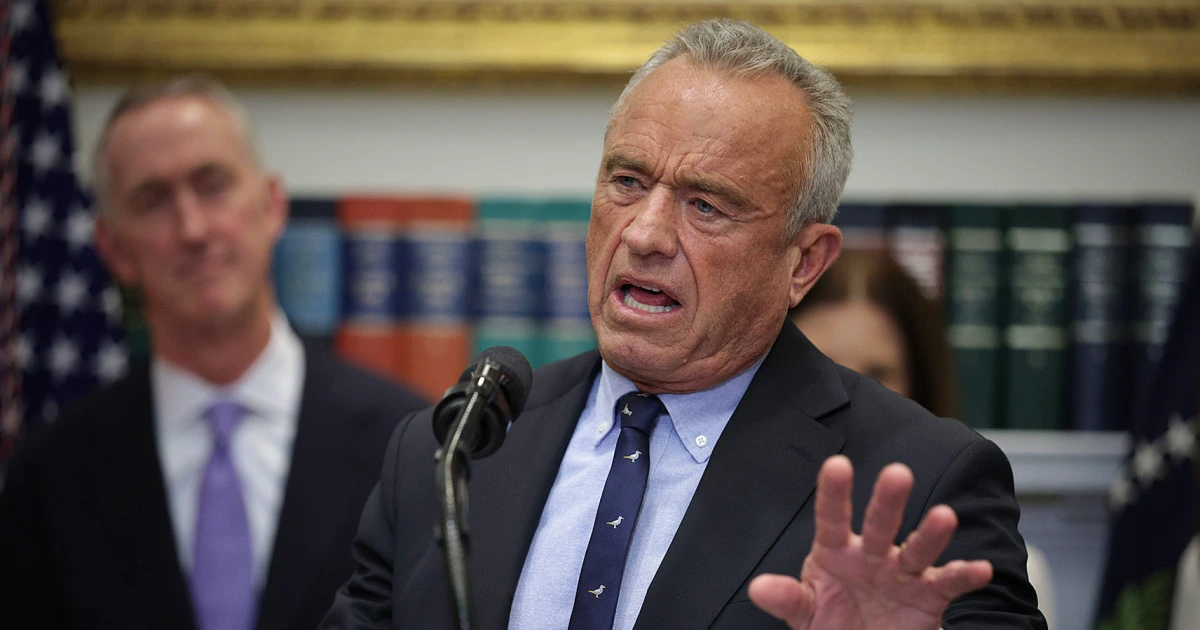
Federal health officials, under President Trump's directive, have significantly reduced the recommended childhood vaccination schedule from 17 to 11 vaccines, aligning more closely with international standards, amidst controversy and concerns from medical experts about potential public health risks and increased confusion.
The CDC has overhauled the childhood vaccine schedule to recommend fewer shots, aligning more closely with Denmark's approach, citing efforts to restore public trust post-pandemic, though experts criticize the lack of transparency and potential risks of reduced vaccination coverage.
Canadian officials express distrust in US health institutions for accurate vaccine information, citing misinformation and political influences, which may impact Canadian public confidence and vaccination rates amid rising measles cases and social distrust.
A virologist and home brewer, Chris Buck, claims to have created the world's first beer-based vaccine using genetically modified yeast, which he believes can immunize against certain viruses and potentially be used for other diseases like COVID-19 and flu. Despite concerns from the scientific community about safety and public trust, Buck has already brewed and tested his vaccine beer on himself, showing promising antibody responses, and aims to develop it further for broader use.
The article discusses internal conflicts within the FDA over COVID vaccine safety claims, particularly a memo by Dr. Vinay Prasad proposing major reforms to vaccine approval processes, which has alarmed former agency leaders and experts. Critics argue that Prasad's claims are misleading and could undermine public trust, slow vaccine development, and weaken the entire vaccine system, with potential long-term consequences for public health and vaccine innovation.
FDA Commissioner Martin Makary emphasized the need for greater humility and transparency from the government to rebuild public trust in health advice, criticizing recent communication issues and advocating for flexible, science-based decision-making.
The CDC’s vaccine advisory committee faces a crisis due to political influence and procedural irregularities, leading to potential destabilization of vaccine policies, public trust erosion, and risks to vaccine supply and safety, especially concerning the hepatitis B birth dose and vaccine messaging on autism. Immediate action is needed to reaffirm scientific integrity and restore public confidence.
The article discusses whether vaccine mandates are necessary to achieve high vaccination rates, highlighting that while some countries without mandates have high rates, factors like healthcare access and trust in government play significant roles. Experts suggest mandates generally increase vaccination rates, but cultural norms and healthcare systems influence outcomes, making US strategies potentially different from other nations. Without mandates, education and access are crucial, but political and social factors in the US pose challenges to maintaining high vaccination levels.
The Sora app, a new AI-generated short video platform by OpenAI, has rapidly gained popularity with over a million downloads, but raises concerns about authenticity, copyright infringement, and the potential erosion of public trust due to its hyperreal, often controversial content including re-creations of deceased celebrities and public figures. The platform's ability to produce convincing fake videos has sparked debates over ethical use, copyright control, and the impact on society's perception of reality.