
UK Air Traffic Glitch Cripples Heathrow, Stranding 330,000 Passengers
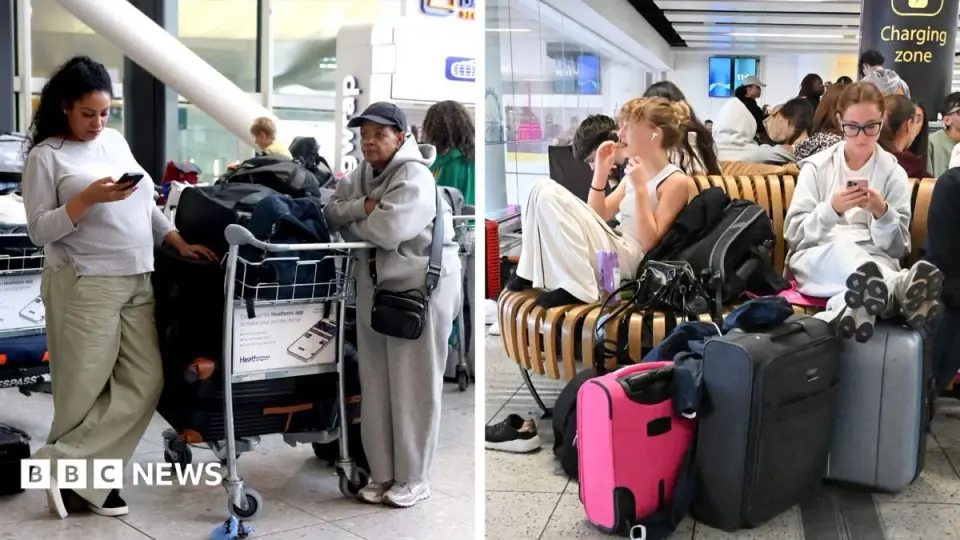
A technical failure at UK air traffic control provider NATS on Tuesday, September 8, triggered the cancellation of over 1,000 flights and disrupted travel for an estimated 330,000 passengers. The outage, centered at the Swanwick site in Hampshire, caused chaos at major hubs like Heathrow, where nearly half of scheduled departures were canceled. Although engineers resolved the immediate issue, knock-on effects persisted into Wednesday, with Cirium data showing 347 additional flights canceled. Transport Secretary Heidi Alexander apologized to the public and ordered a full investigation, while the government expressed confidence in NATS CEO Martin Rolfe, despite calls for his resignation from opposition MPs and airline trade bodies.
Key points
- NATS reported a technical issue at its Swanwick facility in Hampshire on Tuesday, leading to a four-hour outage that grounded over 1,000 flights.
- Cirium data indicates that 30.1% of UK flights were canceled or did not fly on Tuesday, with Heathrow experiencing the highest impact, canceling nearly half of its departures.
- The disruption continued into Wednesday, with 347 flights canceled or not flying, representing 5.9% of the scheduled flights for that day.
- Transport Secretary Heidi Alexander apologized to passengers and commissioned an independent review by the Civil Aviation Authority, with a report due within six months.
- NATS CEO Martin Rolfe was summoned to meet with Alexander and has been tasked with a full investigation to be reported within one week, though the government maintains confidence in his leadership.
- Airlines UK described the incident as the third major system failure at NATS in three years, following disruptions in 2023 and 2025, and criticized the industry for absorbing immediate costs without operational control.
Background
This incident follows a pattern of recurring technical failures at NATS. In August 2023, a software failure in the automatic flight-planning system affected 700,000 travelers and cost an estimated £100 million. Another disruption occurred in 2025, prompting Ryanair CEO Michael O'Leary to call for NATS leadership changes. The current outage has reignited these calls, with Ryanair's chief operating officer demanding Rolfe's resignation. The 2026 incident is part of a broader trend of infrastructure vulnerabilities in UK air traffic control, which has faced scrutiny over its ability to manage peak demand and system resilience.
How outlets are covering it
BBC News emphasized the human impact, detailing passenger experiences such as a couple stranded at Heathrow for nine hours and others forced to take trains to Paris to reach their destinations. The outlet highlighted the government's support for NATS CEO Martin Rolfe, despite pressure from Labour MP Tom Hayes for his resignation. The New York Times focused on the scale of the disruption, noting that the effects would linger across the aviation network and that the incident was part of a series of high-profile disruptions in recent years. Business Insider provided a data-driven analysis, mapping the cancellations and diversions, and highlighted the financial and operational burden on airlines, noting that British Airways had to cancel 190 flights on Wednesday despite working through the night to reschedule. Business Insider also pointed out the historical context of NATS failures, including the 2023 incident that cost £100 million, and the subsequent calls for Rolfe's resignation from Ryanair executives.
Why it matters
The incident underscores the fragility of UK air traffic control infrastructure and the significant economic and social costs of such failures. With over 330,000 passengers affected, the disruption has highlighted the need for improved system resilience and accountability. The ongoing calls for NATS CEO Martin Rolfe's resignation reflect growing frustration among airlines and politicians over repeated failures, which could lead to broader regulatory changes or leadership changes in the sector. The incident also raises questions about the financial impact on airlines, which are absorbing costs despite having no control over the failure, and the potential for future disruptions if systemic issues are not addressed.
What to watch
NATS is expected to report the findings of its full investigation within one week, as requested by Transport Secretary Heidi Alexander. The Civil Aviation Authority will conduct an independent review, with a report due within six months. Airlines are expected to continue managing the knock-on effects of the disruption, with potential further cancellations and delays as they reposition aircraft and crews. The government's confidence in Martin Rolfe may be tested by the outcome of the investigation, and there could be renewed calls for his resignation if the findings reveal significant failures in NATS' management or infrastructure. The incident may also prompt a broader review of UK air traffic control systems to prevent similar disruptions in the future.
- 'Honeymoon at Gatwick': Passengers describe airport chaos as No 10 backs air traffic control boss BBC
- Travelers Face More Flight Delays After Major Air Traffic Disruption at UK Airports The New York Times
- Airlines scramble to dig out from UK air traffic control tech problems that canceled 2,000 flights The Hill
- 'It's been a nightmare': Passengers face airport chaos after UK air traffic issue BBC
- Mapped: Travel chaos as a UK air traffic meltdown grounds thousands of flights worldwide Business Insider
Want the full story? Read the original reporting
Read on BBC