
25 Years After 9/11: How Terror Attacks Reshaped Air Travel Security and Culture
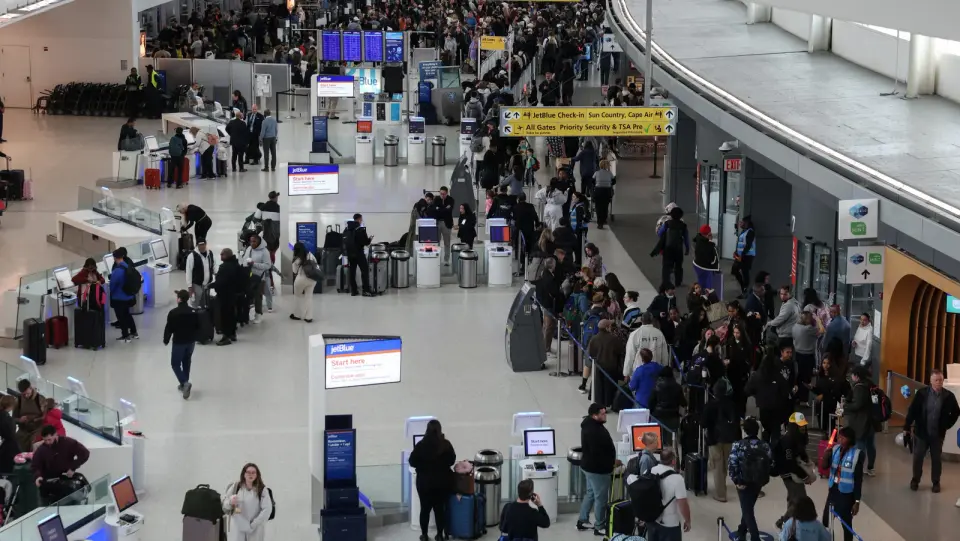
The September 11, 2001 attacks fundamentally transformed air travel by establishing the Transportation Security Administration (TSA) and implementing rigorous security protocols. While some measures like reinforced cockpit doors and electronic screening stem directly from 9/11, others such as shoe removal and liquid restrictions arose from later threats. Today, security is a layered process involving biometric verification and advanced imaging, though debates continue regarding privacy, discrimination, and the effectiveness of these measures.
Key points
- The 9/11 attacks led to the creation of the TSA in 2001 and the Department of Homeland Security in 2002, centralizing airport security nationwide.
- Reinforced cockpit doors were mandated by April 2003 to prevent intrusion, while the requirement to remove large electronics began in 2017.
- Shoe removal and the 3-1-1 liquids rule were implemented in 2006 in response to separate threats, not 9/11, and the shoe rule was lifted in 2025.
- Advanced imaging technology (full-body scanners) was deployed after a 2009 underwear bomb plot, with approximately 500 units installed by 2010.
- In 2024, the TSA screened over 904 million passengers and intercepted over 6,600 firearms, though covert tests have revealed significant failure rates in detecting fake explosives.
Background
Prior to 2001, air travel security was minimal, allowing non-passengers to greet travelers at gates and requiring little more than a walk-through metal detector. The post-9/11 era saw a shift from lax protocols to a comprehensive, multi-layered security system. This evolution includes the REAL ID Act, passed in 2005, and the integration of facial recognition technology, which began piloting in 2018. The industry also faced economic downturns and labor issues, including furloughs for pilots and flight attendants, before stabilizing into a 'golden age of cheap flights' with increased international departures.
Why it matters
The changes initiated after 9/11 have normalized a security routine that most travelers now accept as standard, yet they continue to impact travel costs, convenience, and civil liberties. The ongoing debate over the effectiveness of TSA screening, potential discrimination in biometric technologies, and the privatization of security services highlights the tension between safety and efficiency. As the 25th anniversary approaches, these issues remain central to how Americans perceive and experience air travel.
What to watch
Future developments may include improved scanner technology that could allow larger liquids in carry-ons and the widespread adoption of biometric security to speed up lines. However, the industry faces challenges such as a shortage of air traffic controllers and the need for increased investment in staffing. Controversies over privatized security programs like TSA Gold+ and the potential for bias in facial recognition technology will likely continue to shape policy discussions.
Want the full story? Read the original reporting
Read on USA Today