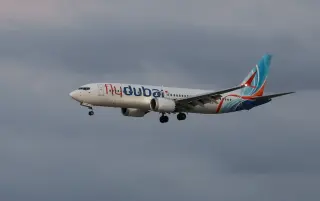
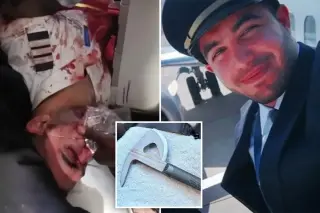
A FlyDubai co-pilot attempted to crash a flight to Tel Aviv, but the aircraft was saved by the captain and passengers. The incident highlights critical failures in cross-border background checks and the difficulty of detecting radicalized pilots.
An Omani co-pilot attempted to hijack a Flydubai flight to Tel Aviv, intending to crash it into Ben Gurion Airport in a 9/11-style attack. The plane was diverted to Saudi Arabia after passengers subdued the attacker, who had previously been banned from flying in Oman for extremist views. Investigations are ongoing into security lapses that allowed the suspect to be hired.
The attempted hijacking of Flydubai Flight 1073 on September 30, 2026, has triggered a multi-national investigation into severe aviation security lapses. The Omani co-pilot, Hamam al-Hammami, was previously barred from flying by Oman Air in 2024 due to extremist views but was subsequently hired by Flydubai without proper verification. During the flight from Dubai to Tel Aviv, al-Hammami attacked the captain with a crash axe, causing the aircraft to lose altitude before passengers subdued him. The plane was diverted to Saudi Arabia, where it landed safely. Authorities in the UAE, Israel, and Oman are now scrutinizing why the suspect bypassed security protocols in three countries, with early findings suggesting he acted alone without state or terrorist group support.
Investigators believe Hamam al-Hammami, the Omani co-pilot who attacked a Flydubai captain on September 30, had planned the hijacking since July but delayed it until the flight to Tel Aviv. While the attack was thwarted by passengers and a reserve pilot, leading to a safe landing in Saudi Arabia, the incident has triggered a multi-country investigation into why al-Hammami was hired despite prior concerns about his extremist views and gaps in international pilot vetting protocols.
The co-pilot accused of hijacking a Flydubai flight to Tel Aviv intended to crash the aircraft into Ben Gurion airport or a tower block, according to US and Israeli reports. The Omani national, identified as Hamam al-Hammami, acted as a lone wolf extremist after attacking the captain with an axe. Security lapses are under scrutiny, including why the pilot was hired despite prior concerns and why he was allowed to fly to Israel despite diplomatic restrictions.
Australian authorities are investigating the background of Hamam al-Hammami, the Omani co-pilot accused of attacking the captain of a Flydubai flight to Israel. While the UAE and Israel probe security lapses, experts highlight gaps in international pilot vetting that allowed a previously grounded individual to fly.
Al-Qaeda’s Yemen-based branch, AQAP, published an editorial in its weekly journal 'Al-Bayan' praising the failed hijacking of flydubai Flight FZ1073. The group called for similar attacks on US and Israeli airlines, framing the incident as part of an ongoing war. The editorial, titled 'Between September 11 and September 30,' featured images of the 2001 World Trade Center attacks and the recent flight. It claimed that if the hijacking had succeeded, regional power dynamics could have shifted. The co-pilot, Omani citizen Hamam al-Hammami, was restrained by passengers and crew after attacking captain Smit Machchhar with a crash axe. The aircraft, which plunged nearly 14,000 feet, was safely landed in Tabuk, Saudi Arabia, by a second pair of pilots.
A Flydubai co-pilot attacked the captain with a crash axe, causing the plane to drop 5,180 meters before passengers subdued the attacker and the aircraft landed safely in Saudi Arabia. The incident has raised critical questions about aviation security, particularly regarding the vetting of pilots with prior security concerns and the lack of international standards for background checks. The UAE has classified the attack as a terrorist act, and investigations are ongoing in the UAE, Israel, and Saudi Arabia.
Investigations into the FlyDubai hijacking attempt reveal that the Omani co-pilot, identified as Hamam al-Hammami, evaded detection despite being barred from flying in Oman for extremist views. While the UAE shared passenger and crew lists with Israel, Israeli authorities failed to flag the pilot, leading to a blame game between security agencies and the Transportation Ministry. Preliminary assessments suggest a 'lone wolf' attack, but the incident has triggered a major review of international aviation vetting protocols.
Investigators are probing how Hamam al-Hammami, an Omani co-pilot previously barred from flying due to extremist views, was hired by Flydubai and cleared to fly to Israel. The September 30 attack, described as a 'lone wolf' act, exposed gaps in international pilot screening and Israeli pre-flight vetting.
A Flydubai co-pilot attempted to hijack a flight to Israel by attacking the captain with a crash axe, but passengers and crew subdued him, allowing an emergency landing in Saudi Arabia. Investigations in the UAE, Israel, and Australia are probing how the suspect, previously dismissed for extremist views, bypassed strict security protocols.
Aviation expert Sanjay Lazar has called for a centralized global system to share pilot security records, arguing that the Flydubai cockpit attack exposed critical gaps in cross-border regulatory oversight. Lazar stated that the threat has moved 'inside the cockpit' and that current national licensing norms fail to flag pilots suspended for security risks in other countries. He criticized the Dubai aviation authority and Flydubai for failing to detect the co-pilot's prior suspension by Oman Air for extremist material, suggesting that 'brotherly camaraderie' in the industry allowed the individual to move between airlines without proper background checks. Lazar emphasized that aviation security must now outweigh privacy concerns, citing the need for mandatory data sharing similar to post-9/11 protocols.
Al-Qaeda’s Yemen branch praised the failed Flydubai hijacking in its weekly publication, calling for similar attacks on US and Israeli airlines. Meanwhile, new reports reveal that the accused co-pilot, Hamam al-Hammami, posted extremist views on social media while studying in the UK, including calls for violence against women and severe punishments for Jews and homosexuals.
Israeli sources indicate the co-pilot accused of attacking a Flydubai captain likely acted alone, with no confirmed links to state or group actors. The suspect, an Omani national, was removed from a previous airline job over extremist views. While the UAE labels the incident a terrorist act, Israeli officials cite evidence of Islamist radicalization. The event has triggered a security review, with opposition figures calling for the resignation of Israel's Transport Minister over crew vetting failures.
A co-pilot on a Flydubai flight attempted to hijack the aircraft by stabbing the captain with an axe, prompting a global review of pilot psychological screening. While the Boeing 737 Max's hardened cockpit door prevented a catastrophe, industry experts debate whether current annual medical checks are sufficient to detect mental health crises or extremist ideologies before they manifest.