
How 9/11 Triggered a Decade of Evolving US Air Security Measures
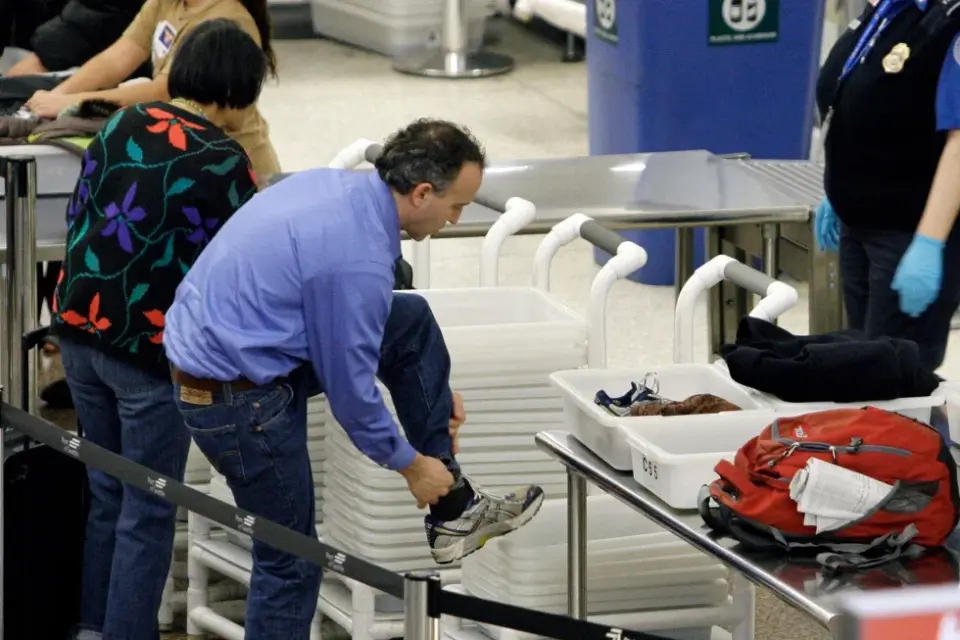
The 2001 attacks prompted a complete overhaul of US air travel security, leading to the creation of the TSA, mandatory shoe removal, liquid restrictions, and reinforced cockpit doors. While these measures have evolved through various incidents, they remain a layered system designed to prevent breaches.
Key points
- The 9/11 attacks led to the establishment of the Transportation Security Administration (TSA) and a shift toward risk-based passenger screening.
- The 2001 shoe bomb plot by Richard Reid made shoe removal mandatory, while a 2006 liquid explosives plot led to the '3-1-1' rule for carry-on liquids.
- The 2009 'underwear bomber' incident accelerated the adoption of full-body scanners at airports nationwide.
- Recent updates include new rules allowing PreCheck members to meet passengers at gates and mandatory retractable security gates for new aircraft cockpits.
- Civil liberties groups have raised concerns about discriminatory profiling due to opaque selection criteria in security screening.
Background
This development follows recent changes in TSA operations, including the pivot from the Gold+ privatized screening concept to an evolved Screening Partnership Program under the Horizon 25 Strategy. Additionally, recent incidents like the Delta flight returning to Atlanta due to cockpit fumes highlight ongoing safety concerns, while the expansion of PreCheck gate access reflects continued efforts to balance security with passenger convenience.
Why it matters
Understanding the evolution of air security measures helps travelers navigate current airport protocols and highlights the ongoing tension between security efficacy and passenger rights. The layered approach to security, from screening to cockpit protection, aims to create a resilient system against diverse threats.
What to watch
TSA is expected to continue expanding facial recognition technology and refining its risk-based screening methods. The mandatory installation of retractable cockpit gates on new aircraft will further solidify cockpit security as a standard feature in the coming years.
Want the full story? Read the original reporting
Read on AP News