
TSA Launches 'Gateside' Pilot Allowing PreCheck Holders to Access Gates Without Tickets
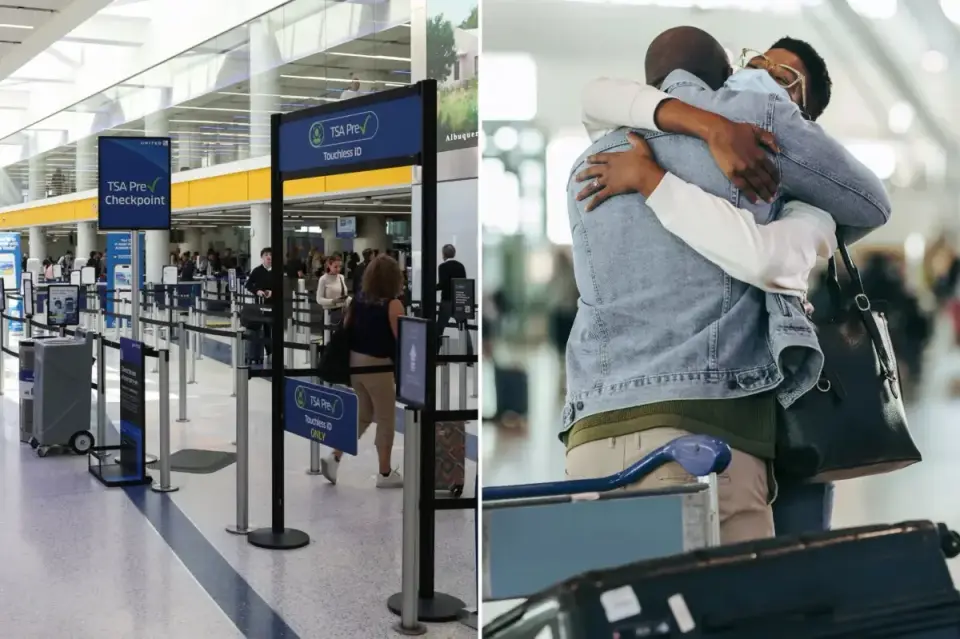
The Transportation Security Administration (TSA) has launched a new pilot program called 'Gateside by TSA PreCheck,' allowing eligible non-travelers to pass through security checkpoints at 13 U.S. airports. This initiative, effective immediately, permits individuals with Known Traveler Numbers to meet friends or family at the gate, dine in terminals, or say goodbye without holding an airline ticket. The program requires advance online application and valid ID, and is part of a broader effort to restore pre-9/11 travel experiences while maintaining security standards.
Key points
- The 'Gateside by TSA PreCheck' program launched at 13 U.S. airports, including Los Angeles International (LAX), San Diego International, John Glenn Columbus International, and Mesa Gateway Airport.
- Eligibility is restricted to current or former TSA PreCheck members or those with a Known Traveler Number (KTN); applicants must register one to three days before their visit.
- Visitors must use the TSA PreCheck lane, present valid ID and their reservation, and adhere to standard screening and luggage requirements.
- Children may accompany eligible adults if listed on the reservation, with the parent or guardian required to show the online TSA dashboard to officers.
- The program is free for visitors, though TSA PreCheck membership itself costs $76 to $85 for five years.
- TSA plans to expand the program to additional airports following a 30-day trial period, with potential nationwide rollout if successful.
Background
This development follows earlier pilots, such as the one at Salt Lake City International Airport, which also tested gate-side access for non-travelers. The move contrasts with recent security incidents, such as the unattended ICE gun found at San Francisco International Airport, which highlighted vulnerabilities in post-security areas. Historically, non-traveler access was common before the September 11 attacks, when stricter security measures were implemented.
How outlets are covering it
The California Post emphasizes the program's role in restoring social aspects of air travel, such as gate goodbyes and terminal dining, while noting mixed public reactions regarding terminal crowding. The Columbus Dispatch and WSYX highlight the logistical details, including the requirement for advance applications and the specific participation of John Glenn Columbus International Airport as the only Ohio site. ABC15 Arizona focuses on Mesa Gateway Airport's role as a test site, noting passenger approval and concerns about safety, while emphasizing the airport's accessibility for families with elderly or young travelers. All sources agree on the program's eligibility criteria and the need for advance registration, but differ in their emphasis on local impact and public sentiment.
Why it matters
The Gateside program represents a significant shift in U.S. airport security policy, balancing enhanced safety measures with improved passenger experiences. By allowing vetted non-travelers access to secure areas, the TSA aims to reduce stress for families and friends while maintaining rigorous screening standards. This pilot could influence future airport policies and potentially lead to a nationwide expansion, impacting how millions of travelers interact with airports in the coming months.
What to watch
The TSA will evaluate the 30-day pilot period at the 13 participating airports to assess security, operational efficiency, and public reception. If successful, the program is expected to expand to additional airports, potentially becoming a standard feature at major U.S. hubs. The agency will also monitor any security incidents or operational challenges to refine the program's implementation.
- California airports to allow non-flyers past security gates in new TSA pilot program New York Post
- TSA to allow visitors without tickets past security at Columbus airport The Columbus Dispatch
- John Glenn International Airport joins new GateSide by TSA PreCheck program WSYX
- Mesa Gateway Airport tests TSA PreCheck program allowing non-passengers at gates ABC15 Arizona
- SLC airport to allow gateside reunions and farewells under new TSA program abc4.com
Want the full story? Read the original reporting
Read on New York Post