As the partial government shutdown continues, DHS border czar Tom Homan said ICE agents deployed to airports may stay after TSA workers are paid, depending on whether TSA staff return to work.
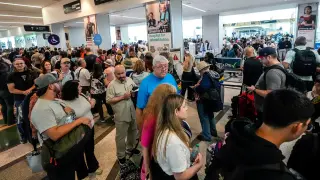
Trump has ordered a pay increase for TSA officers to help ease long security lines at U.S. airports. While the move is meant to reduce delays, it’s too early to tell if higher wages will shorten wait times, as staffing shortages and other operational factors continue to drive lengthy lines at major hubs like Houston and Philadelphia.
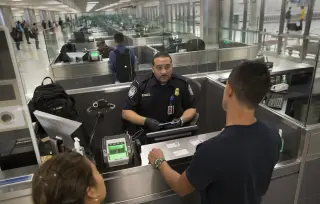
An Intercept essay recounts a JFK security checkpoint where an ICE agent, deployed by the Trump administration, pressed for a second form of ID and framed the encounter as part of a broader strategy to intimidate immigrants. The piece argues this use of federal agents at airports is designed to normalize fear, erode civil liberties, and potentially reshape daily life and democratic participation—suggesting the presence is a deliberate “test run” for expanding state power.
President Trump signed an executive order directing DHS to pay TSA officers immediately to relieve long security lines during spring travel; officials say pay could come as soon as Monday, but relief depends on workers returning after weeks without pay, with nationwide staffing gaps and variable wait times, and travelers urged to arrive four hours early while monitoring official updates and noting that third‑party wait estimates may be unreliable during the shutdown.
Amid a protracted government shutdown that has left DHS workers unpaid, TSA staff are calling in sick and absentee rates spike, snarling security lines at major airports. In response, ICE agents were deployed to at least 14 airports to assist, but TSA workers say the agents lack proper training for security tasks and mostly appear to do little beyond directing traffic, fueling frustration among airport employees and unions worried about pay and stability. Some passengers have reported ICE checking IDs, while others see only minimal effect on lines. Officials and unions dispute how much ICE is helping, noting reductions in lines may reflect traffic patterns rather than ICE activity. The White House touts shorter lines, but labor groups warn of ongoing stress and potential privatization debates as discussions around Project 2025 gain attention.
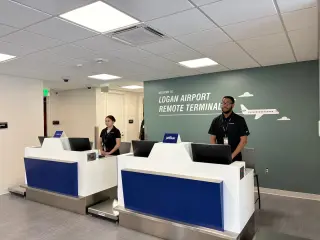
Funding to pay TSA officers may arrive soon, but airport security lines aren’t expected to shrink immediately. About 61,000 TSA workers are unpaid during the shutdown, with reports of financial hardship and some missing shifts; even with back pay and DHS funding, staffing at checkpoints could take days to weeks to recover. Bipartisan bills to fund federal agencies during shutdowns haven’t moved forward, delaying a quick fix to the long security queues.
Amid a six-week DHS shutdown, lawmakers say they’re waiting in TSA lines like ordinary travelers, as Sen. Cornyn pushes a bill to end special airport perks and partisan debate centers on standalone TSA funding amid growing travel chaos.
The White House is weighing unilateral action to pay TSA officers if Congress cannot quickly pass a DHS funding package, a tactic previously used to fund favored agencies during government shutdowns. With Senate Republicans and Democrats deadlocked over immigration policy, Trump has urged Republicans to hold out until Democrats back his proposals, leaving airport security operations in flux as negotiations continue.
President Trump proposed deploying ICE agents to airports to ease TSA lines, but Senate Democrats are demanding restraints on immigration agents and a DHS funding deal remains elusive, leaving wait times and lines unchanged despite the deployment.
ICE agents are being deployed to U.S. airports to support TSA amid a DHS funding shutdown, but security wait times remain lengthy at major hubs; lawmakers are negotiating a bipartisan deal to reopen DHS by funding all agencies except ICE enforcement, fueling optimism that the shutdown could end this week.
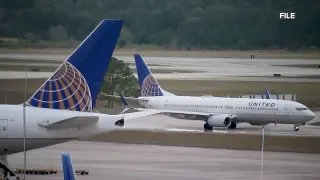
The Washington Post reports that ICE agents were deployed to U.S. airports to assist TSA workers who aren’t being paid due to a partial government shutdown, as spring-break crowds stress already short-staffed security lines. The move, ordered by President Donald Trump, has been seen at airports such as George Bush Intercontinental in Houston, and travelers should expect heightened security presence and potential delays while planning their trips.
ICE agents arrived at several U.S. airports to help staff a strained TSA, a deployment tied to the ongoing partial government shutdown after President Trump threatened to use ICE unless Democrats backed a funding deal; Democrats criticized the move as political theater and raised concerns Trump could target undocumented immigrants.
President Trump said via Truth Social that ICE agents will be deployed to U.S. airports starting Monday to assist the TSA amid a partial government shutdown that has left TSA staffing stretched and lines long. Officials say ICE would backfill where possible but are not trained for security screening, prompting concern from TSA unions and civil-liberties groups, while lawmakers remain divided on DHS funding and details of the plan remain unclear.
Amid a DHS funding stalemate and long security lines, Trump says ICE agents will be deployed to airports to relieve TSA by covering entry/exit points so TSA screeners can focus on passenger checks; they won't screen passengers themselves, with details due before Monday. TSA unions criticize the move as replacing paid staff with untrained agents, as more than 400 TSA workers have quit or gone absent during the shutdown.
Since the Feb. 14 partial shutdown began, more than 400 TSA officers have quit, leaving roughly 50,000 frontline officers out of about 65,000 total as workers remain unpaid. DHS says callout rates run around 10% on many days, with some airports (e.g., JFK, Houston) seeing much higher gaps, fueling longer waits and security concerns while lawmakers clash over funding and reforms.