
Summer Storms and Hub Congestion Wreck Vacation Plans Across U.S. Air Network
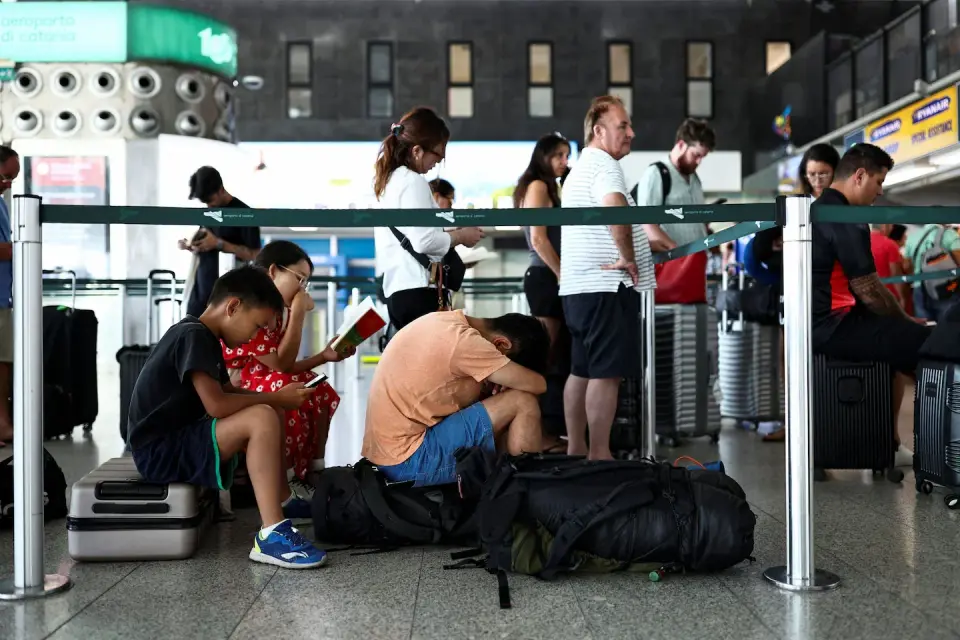
Summer 2026 travel has been severely disrupted by a combination of severe weather and high demand, leading to widespread cancellations and multi-day delays. While JetBlue faced significant schedule issues for domestic travelers, Delta Air Lines absorbed the bulk of disruptions stemming from thunderstorms at its Atlanta hub. These events have left many passengers stranded for days, with rebooking options often pushing departures several days later than originally planned.
Key points
- JetBlue canceled a Monday flight for a Long Island family, rebooking them for Thursday, illustrating multi-day delays.
- Severe thunderstorms over Atlanta on Aug. 11 caused over 470 cancellations and 558 delays at Hartsfield-Jackson.
- Delta accounted for roughly 391 of the Atlanta cancellations due to its status as the airport's primary carrier.
- The interconnected nature of airline hubs means weather in one city disrupts flights across the entire network.
- Travelers are facing packed planes and busy skies, complicating rebooking efforts during peak summer travel.
Background
This disruption follows a summer where travel logistics have become increasingly fragile. Earlier in August, our archive noted that even minor scheduling changes, such as those affecting high-profile figures, could ripple through vacation plans. The current situation highlights how weather and operational bottlenecks at major hubs can amplify these issues, turning single-day delays into multi-day cancellations for thousands of passengers.
How outlets are covering it
The Washington Post highlights the personal impact on travelers, noting that JetBlue rebooked a family from Long Island to Orlando three days later, emphasizing the frustration of 'wrecked' vacation plans. The Independent frames the issue as a worsening trend in flight cancellations, suggesting a broader systemic decline in reliability. The Grants Pass Tribune focuses on the operational mechanics, detailing how thunderstorms at Atlanta’s Hartsfield-Jackson airport triggered a ground stop that cascaded through Delta’s network, affecting flights nationwide. While The Post and The Independent emphasize the passenger experience and the severity of the disruption, The Grants Pass Tribune provides the technical context of how hub congestion and crew duty limits prolong the impact of weather events.
Why it matters
These disruptions underscore the vulnerability of the U.S. air travel system to weather and high demand. For travelers, this means potential loss of vacation time and increased costs. For airlines, it highlights the need for better contingency planning and communication. The situation also raises questions about the resilience of major hubs like Atlanta, which serve as critical nodes in the national network.
What to watch
Airlines are working to restore schedules, but the impact may linger as they reposition aircraft and crews. Travelers are advised to monitor flight alerts and consider alternative routes. The Department of Transportation may review airline commitments for cancellations, and there could be increased scrutiny on how airlines handle weather-related disruptions. Future summer travel may see continued volatility due to high demand and weather patterns.
- Your flight is canceled. Here’s why the new one is in three days. The Washington Post
- Over 1,346 flights delayed, 111 canceled amid widespread U.S. travel disruptions NJ.com
- Flight cancellations are getting much, much worse. Here’s why The Independent
- Atlanta Storms Send Delta Disruptions Across U.S. Air Travel Network Grants Pass Tribune
- Flights to Chicago's O'Hare Airport grounded due to thunderstorms NBC 5 Chicago
Want the full story? Read the original reporting
Read on The Washington Post