
Greece's 'Vomit Comet' Ferries: Speed vs. Seasickness in the Cyclades
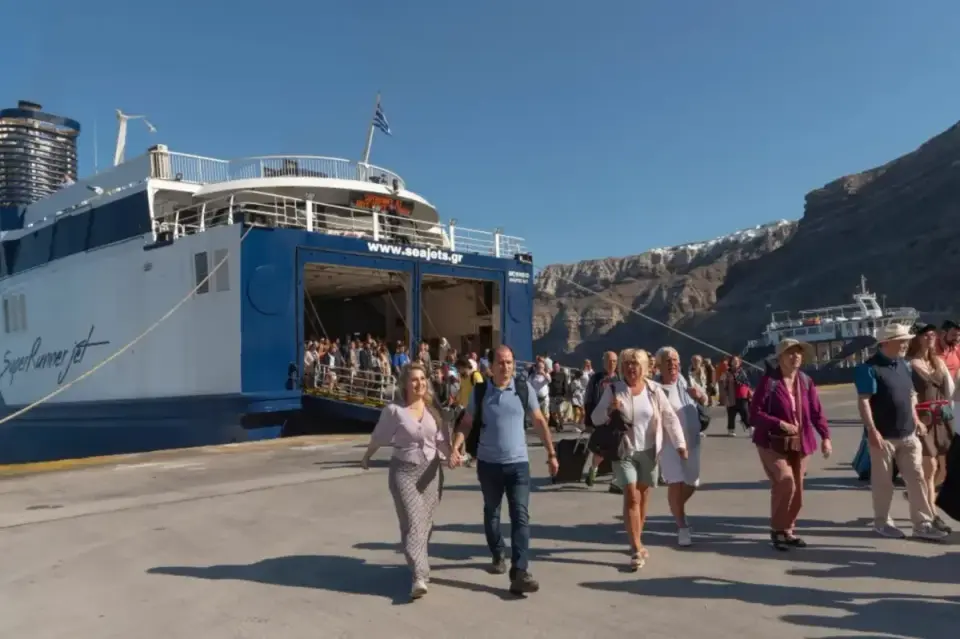
Tourists are reporting severe seasickness on high-speed ferries connecting Greek islands, dubbing the vessels 'vomit comets.' The issue stems from the combination of fast speeds, smaller boat sizes, and strong summer Meltemi winds in the Cyclades. While social media amplifies the horror stories, experts note that tourism numbers have risen 21%, increasing the volume of complaints. Travel advisors recommend flying to islands like Santorini and Mykonos to avoid the rough crossings.
Key points
- High-speed ferries in Greece reach speeds of 46 to 58 mph, cutting travel times between islands by half but increasing motion sickness risks.
- The seasonal Meltemi winds churn the Aegean Sea, particularly around the Cyclades, creating rough conditions for smaller vessels.
- Tourists have shared viral videos of passengers vomiting and crews distributing barf bags, leading to the nickname 'vomit comet.'
- Tourism to Greece increased by 21% from January to May compared to the previous year, according to the Bank of Greece.
- Travel experts advise that while the issue is not daily, it significantly impacts the vacation experience for those prone to seasickness.
Background
Greece has seen a surge in tourism, with Santorini alone drawing 3.4 million visitors in 2023. The high-speed ferry network is a popular choice for island-hopping, but the combination of speed and weather has led to a spike in complaints. This follows a broader trend of increased travel to the region, where infrastructure and weather conditions are being tested by higher visitor numbers.
How outlets are covering it
The New York Post and The Wall Street Journal emphasize the severity of the seasickness, citing passenger accounts of violent rocking and vomiting. Fox News, however, highlights the perspective of travel expert Mina Agnos, who argues that social media amplifies the issue and that such rough crossings are rare in her 25 years of experience. Agnos suggests that the increased volume of tourists is leading to more 'noise' about the problem. Meanwhile, travel advisor Kelly Shea recommends avoiding ferries altogether for those prone to seasickness, suggesting flights to islands like Santorini and Mykonos instead. The discrepancy lies in the frequency of the issue: while some see it as a common nightmare, others view it as an occasional inconvenience exacerbated by viral content.
Why it matters
The 'vomit comet' phenomenon highlights the trade-off between convenience and comfort in Greek travel. As tourism continues to grow, the strain on ferry infrastructure and the impact of weather on passenger experience could influence future travel decisions and infrastructure investments. For tourists, it underscores the importance of planning routes that minimize exposure to rough seas, potentially shifting demand toward air travel or larger, slower ferries.
What to watch
Travelers are likely to continue sharing their experiences on social media, potentially influencing future booking decisions. Ferry companies may need to invest in larger, more stable vessels or improve passenger comfort measures. Travel advisors may increasingly recommend flights or larger ferries for those prone to seasickness. The Bank of Greece and local authorities may also monitor the impact of tourism growth on infrastructure and passenger satisfaction.
- Ferry at popular island hotspot dubbed ‘the vomit comet’ as tourists battle brutal seasickness in rough weather New York Post
- Vacation nightmare unfolds as ferry passengers battle seasickness at island hot spot Fox News
- Everyone Dreams of Island-Hopping Through Greece—Until They Board the ‘Vomit Comet’ WSJ
- Greece travel expert addresses reports of extremely harrowing ferry rides Yahoo News UK
Want the full story? Read the original reporting
Read on New York Post