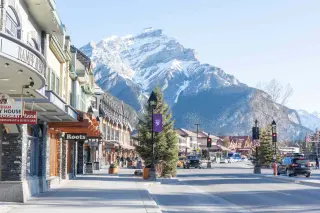
A Mountain Town Wins Global Beauty Award for Turquoise Lakes and Rocky Views
A mountain town has been named the world's most beautiful summer destination, recognized for its turquoise lakes and rocky mountain views.

All articles tagged with #tourism
A mountain town has been named the world's most beautiful summer destination, recognized for its turquoise lakes and rocky mountain views.

Tour guide businesses in Washington, D.C., are experiencing a significant drop in bookings in 2026. Industry insiders attribute this decline to a combination of factors, including extensive construction projects, the closure of key landmarks, and a perceived shift in the city's political atmosphere. While some operators report that international visitors are avoiding the capital, the White House disputes these claims, citing data that suggests domestic tourism remains robust.
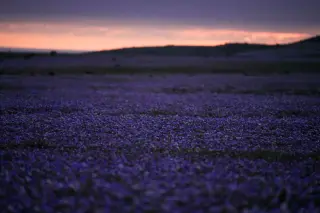
Unprecedented rainfall from a record-strength El Niño has triggered a massive spring bloom in Chile's Atacama Desert. Over 200 plant species, including the iconic garra de león, are flowering across hills and ravines that had remained barren for decades. The phenomenon, known as Desierto Florido, is expected to draw nearly 300,000 overnight visitors to the region by November, boosting tourism significantly.
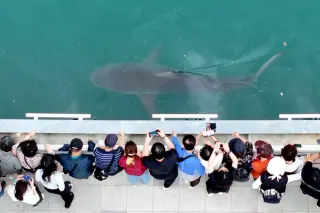
A large shark named Bukangi has been trapped in a canal in South Korea’s port city of Busan for nearly two weeks, drawing hundreds of thousands of visitors. Despite failed attempts by authorities to guide the animal back to the open sea, the shark has become a local mascot and social media sensation, prompting officials to plan a new release effort using a large net.
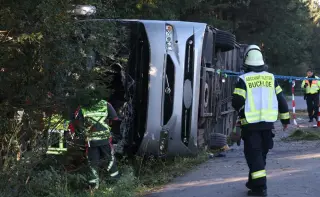
A tour bus carrying approximately 35 Filipino nationals crashed in Germany on September 27, 2026, killing two people and injuring 19. The vehicle veered off a highway near Buchloe while traveling from Milan to Munich for Oktoberfest. The Philippine consulate is coordinating with German authorities to assist the victims.
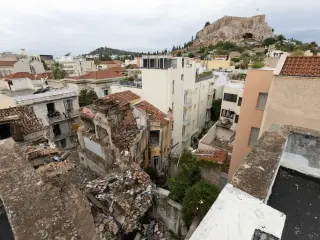
A suspected gas leak caused a building collapse in Athens' Plaka district on September 26, killing six people, including four American tourists and an elderly British-Greek couple. Two others were injured, and neighboring structures were damaged or evacuated.
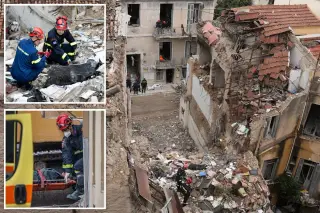
A gas explosion collapsed a building in Athens' Plaka district on Friday, killing six people, including four American tourists who were scheduled to depart the city that afternoon. The blast, attributed to a failure in the building's internal gas network, also injured three others and damaged nearby structures. Greek and US officials confirmed the deaths, while local residents had previously warned authorities about potential gas leak risks in the area.
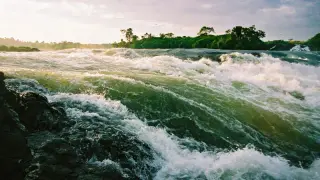
Jinja, Uganda, serves as the traditional gateway to the Nile's source and a hub for adventure tourism, blending historical significance with modern conservation efforts and natural wonders.
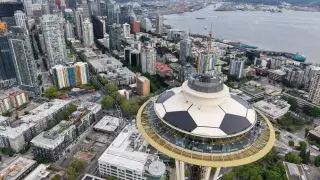
The 2026 FIFA World Cup generated $889 million in economic impact for Seattle and King County, surpassing revised projections but falling short of initial estimates. The event supported 20,000 jobs and generated $109 million in tax revenue, though hotel occupancy rates declined due to displaced convention travel.

The Las Vegas Convention and Visitors Authority (LVCVA) announced the return of its '5-Day Sale' on Sept. 22, offering 180 deals across the Strip and downtown to combat a 7.5% drop in visitors in 2025. The promotion runs through Sept. 26, featuring discounts on accommodations, entertainment, and dining.

Farms carved corn mazes in the shape of Dolly Parton to honor the singer, turning fields into playful tributes that draw visitors. Fans described navigating hair-like twists and passages as part of the fun, while owners and locals report dressed-up visitors in cowboy boots and Dolly shirts helping make the tribute a heartwarming, tourism-friendly spectacle.
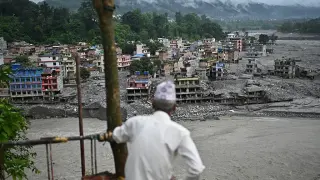
Environmental historian Dan Haines argues that the Himalayan floods in Nepal are driven by a mix of climate trends and human choices—unregulated development, deforestation, riverbed disturbance, and vulnerable infrastructure—so disasters occur when people live in flood paths. He urges Nepal to shift from mass tourism to high-value, lower-impact models and to strengthen disaster preparedness, including evacuation training and trust in warnings, drawing on earthquake-response lessons to reduce future devastation.

During a visit to Doonbeg, Ireland, Trump drew protests over Gaza policy and other issues, but demonstrations were far smaller than those in Dublin, while locals emphasized tourism and the Trump-owned golf resort’s economic role, with some opposing his politics yet acknowledging the local impact.

After a six-year hiatus due to stiff-person syndrome, Celine Dion delivered an emotional Paris comeback to 30,000 fans at Plenitude Arena, opening with a French ballad and delivering a two-hour show as the first of a two-part residency of 26 concerts; more dates are planned through 2027, fueling fan excitement and a potential boost to local tourism.

After Hurricane Lowell floods Kauaʻi’s north shore, residents struggle washing clothes in rivers while roads reopen; victims say tourists are filming their hardship and asking about vacation spots, prompting calls for empathy and limits on sightseeing during recovery.