
Heathrow and Denver Rank Among Worst Airports for Short Layovers
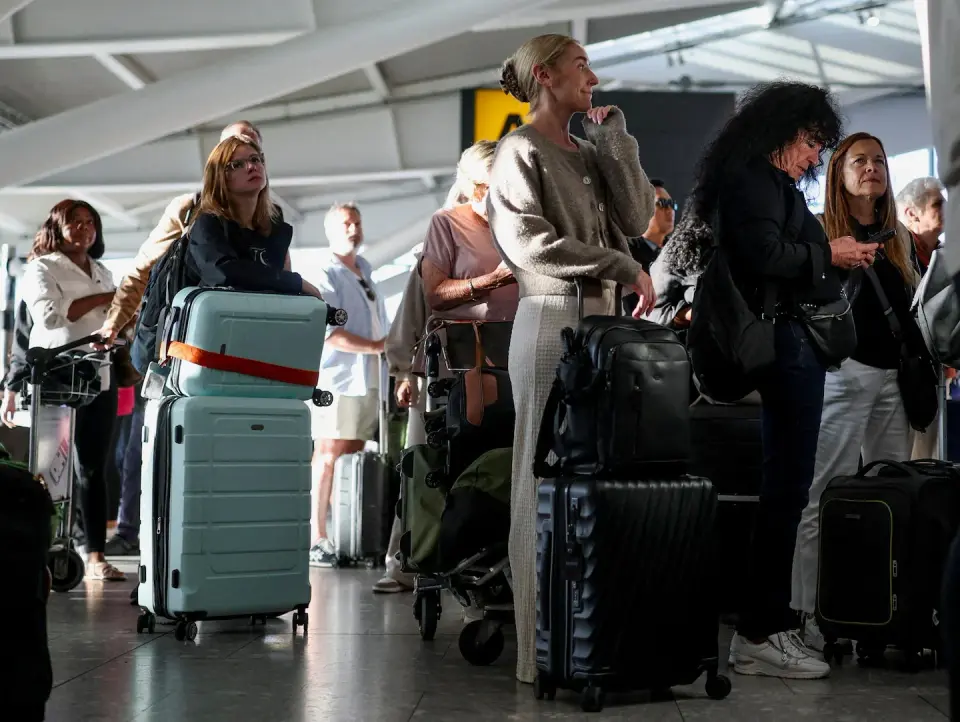
London Heathrow and Denver International are cited as the most difficult airports for short layovers due to long terminal distances, poor signage, and security bottlenecks. Travel experts advise avoiding tight connections at these hubs and recommend choosing U.S. airports for international transfers to minimize transit risks.
Key points
- London Heathrow is flagged for 'ridiculous' secondary security screening and long distances between gates, often requiring two hours for terminal changes.
- Denver International is also identified as a poor choice for short layovers, with travelers citing navigational challenges and security delays.
- Experts suggest opting for U.S. airport connections when traveling internationally to reduce the risk of missed flights.
- Researching airport layouts and allowing ample buffer time are recommended strategies for navigating complex hub connections.
Background
Recent JD Power studies from September 2026 showed rising satisfaction at mega airports like Minneapolis-Saint Paul and Detroit, driven by capital upgrades and improved flow. However, those rankings focused on overall satisfaction rather than specific connection difficulties. Additionally, the TSA has recently piloted gate access for trusted travelers at select airports, including LAX and Dallas/Fort Worth, to facilitate meet-ups, though this does not address the structural challenges of connecting flights at hubs like Heathrow.
Why it matters
For frequent travelers and those with tight itineraries, understanding which airports pose the highest risk for missed connections can prevent costly disruptions. Choosing the right hub or allowing sufficient layover time can significantly improve the reliability of international travel plans.
What to watch
Travelers should review their itineraries for connections through Heathrow or Denver and consider alternative routing or longer layovers. Airlines and airports may continue to improve signage and security processes, but for now, proactive planning is the best defense against missed connections.
Want the full story? Read the original reporting
Read on The Washington Post