World Cup fans are embracing ranch dressing in the US, prompting the TSA to reiterate the 3.4-ounce limit for liquids in carry-ons and suggesting packing ranch in checked luggage, while social media buzz highlights the dip’s popularity.
Rising fuel costs and geopolitical uncertainty are reshaping 2026 summer travel: travelers are booking flights first to lock in deals, then planning hotels and tours around those dates; many are opting for shorter, closer-to-home trips or road trips to cut costs, with typical budgets around $1,600. Long-haul demand is shifting toward Latin America, while Europe remains on the table for cooler, less crowded destinations like Reykjavik or the Nordic fjords. Finally, prioritizing flexibility and protection—cancellation policies, change-friendly fares, and travel insurance—is advised to navigate potential disruptions.
The U.K.'s electronic travel authorization (ETA) system is experiencing ongoing outages, delaying approvals for some travelers and potentially blocking boarding on flights, trains, and ferries. If you’re traveling to the U.K., check your ETA status now, apply well in advance (at least three days before departure), and monitor updates, since carriers must verify ETA approval. The ETA costs £20, is valid for two years, and allows multiple visits of up to six months each; expect continued updates as authorities resolve the issue.
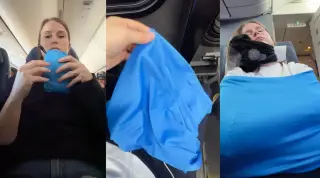
A Washington Post travel writer tests the Armbie, a polyester arm sling marketed as a sleep aid for flights, on multiple long-haul journeys and finds it unexpectedly effective for sleeping in economy. It wraps the arms for a cozy, swaddle-like feel, is compact and washable, and costs about $25, but it can be warm and isn’t for everyone. Compared with neck pillows, it’s a quirky yet useful option for certain travelers.
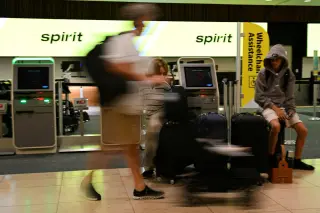
Spirit Airlines has ceased operations, canceling all flights after two bankruptcies and failed merger talks. Travelers should expect refunds only for purchases made with credit or debit cards; refunds and credits tied to vouchers or loyalty programs will be determined through bankruptcy proceedings, and other airlines are offering rescue fares to help stranded customers while rebooking options are explored.
A reader-curated list highlights 20 popular travel spots that didn’t live up to hype, with reasons ranging from overcrowding and commercialization to influencer-driven expectations. Destinations like Dubai and Bali, Las Vegas by day, Sedona, Los Angeles, Ireland, Switzerland, New Orleans, Nashville, Santorini and Kotor, Venice, Paris, Barcelona, Bangkok/Thailand, and Oslo are cited, illustrating how social-media buzz can distort expectations. The piece suggests broadening research beyond glossy posts and considering less-crowded alternatives to improve the travel experience.
War-related disruption of the Strait of Hormuz has driven jet-fuel prices up and forced airlines to cut routes and raise fares, complicating summer travel. Travelers are advised to book early or consider delaying to later in the season, explore off-peak destinations, and use cost-saving strategies—avoiding extra fees, mixing carriers, or opting for trains where feasible—to navigate higher prices and tighter availability.
Rising jet fuel costs linked to the Iran conflict are forcing airlines to cut routes and raise prices. Travelers can counter with early bookings (international 2–5 months out, domestic 3–6 weeks), flexible dates and destinations, lighter packing to avoid extra fees, and by using loyalty points or travel cards to offset costs. Avoid Basic Economy due to restrictive policies, and consider refundable fares for price flexibility.
With the Iran conflict driving up flight costs and tightening availability, travel experts advise booking early (international flights 2–5 months out, domestic 3–6 weeks), staying flexible on dates and destinations, and using smart tactics like midweek departures, cheaper hub routes, and splitting trips into separate legs. Traveling light helps avoid rising baggage fees, and redeeming airline miles or credit card rewards can offset costs. Tools such as Skyscanner’s Explore Everywhere can reveal cheaper options, while a longer but cheaper long-haul via a hub or train connections may save money. In short: plan ahead, keep options open, and maximize rewards to weather rising airfare.
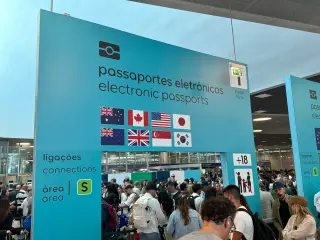
European airports are seeing longer lines due to the rollout of the Entry and Exit System (EES), which requires first-time visitors to scan passports, take a photo, and provide fingerprints. While lines should ease as more travelers complete registration, you can minimize delays by arriving early (4 hours before departure), allowing longer layovers (3+ hours for Schengen connections), and choosing arrival airports with shorter queues (Madrid, Barcelona, Copenhagen, Helsinki, Zurich) over hubs like Amsterdam, Paris CDG, Berlin, Krakow, Lisbon.
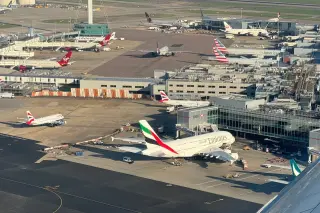
Europe faces a looming jet-fuel shortage, with the IEA warning of roughly six weeks of supply left, prompting airline cutbacks and potential summer disruptions. Norse Atlantic is pulling out of LAX, Edelweiss is canceling Denver/Seattle routes, and Lufthansa has scaled back and retired aircraft, signaling wider scheduling pressure even if a full shortage is unlikely. Travelers should know refund rights for US-to-Europe flights, build flexible plans (including rail options or backup flights), and use credit cards with travel-insurance coverage to mitigate potential disruptions as conditions evolve.
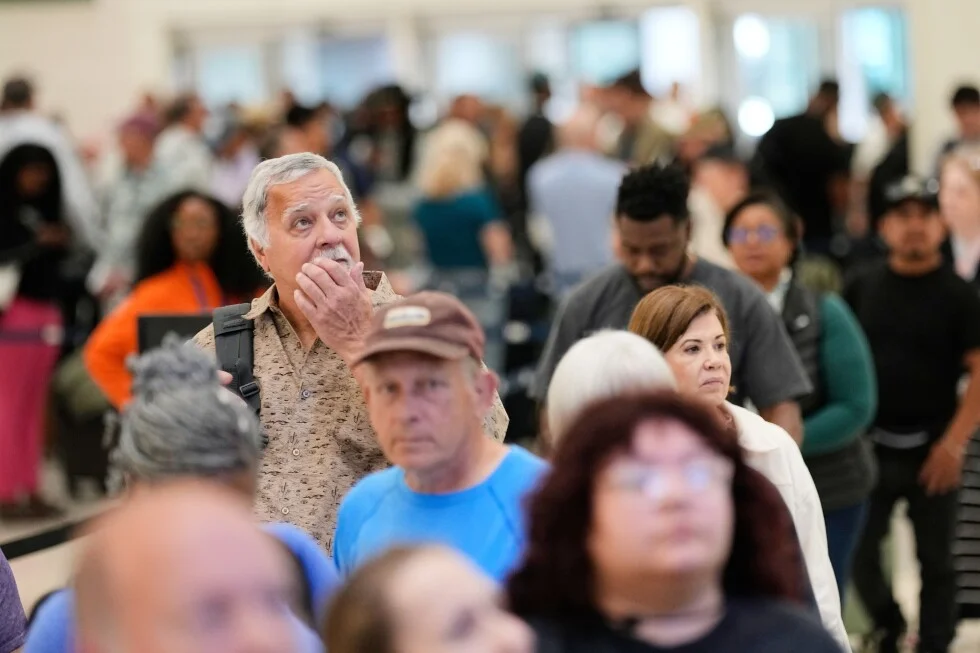
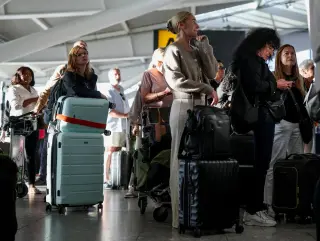
Airports across major hubs are telling travelers not to arrive hours before flights to avoid long TSA security lines and crowds, with photos showing busy checkpoints at hubs like Houston’s IAH, Chicago O’Hare, and LaGuardia; officials suggest arriving closer to departure to reduce wait times and ease congestion.
Philadelphia International Airport will close two more TSA checkpoints (Terminals A-West and F) starting March 18, adding to the Terminal C closure already in effect, due to staffing shortages amid the partial federal shutdown. TSA PreCheck remains available at Terminals A-East and D/E, and travelers can still access open checkpoints via connected post-security pathways at the affected terminals.
After peaking in Oct 2024, the aurora borealis is fading as the solar cycle moves toward minimum; recent displays have even been seen in Florida, Mexico, and other southern urban skies. To maximize your chances before they fade, plan a high-latitude, dark-sky trip during clear, moonless nights, seek locations away from light pollution, and monitor space-weather forecasts for geomagnetic activity, staying flexible with dates and destinations.
The article highlights 25 of the best boutique hotels across the Caribbean, showcasing a mix of classic and new properties that embody the charm, design, and personal service characteristic of boutique accommodations, along with activities and experiences unique to each island.