
Rightway Parking Study Identifies DFW as Most Stressful US Airport
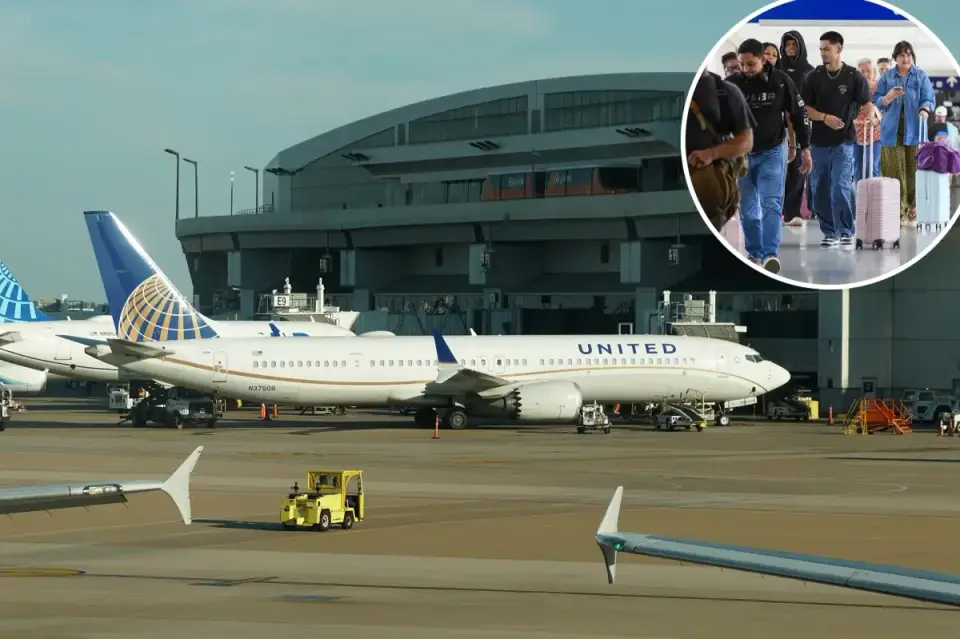
A new analysis by Rightway Parking ranks Dallas/Fort Worth International Airport (DFW) as the most stressful US airport, driven by high delay rates and long commutes. Salt Lake City International Airport is named the least stressful. The study evaluates 55 major airports using 2025 federal flight data and driving times.
Key points
- Rightway Parking analyzed 55 major US airports using 2025 Bureau of Transportation Statistics data and Google Maps driving estimates.
- Dallas/Fort Worth International Airport (DFW) ranked first, with 28% of flights delayed and a 33.67% increase in delays since 2021.
- Chicago O'Hare and Ronald Reagan Washington National Airport followed DFW in the top three, with O'Hare seeing a 42.77% rise in delays since 2021.
- Salt Lake City International Airport was ranked the least stressful, with a cancellation rate below 1% and a short drive from downtown.
- The methodology focused on flight delays, cancellations, and travel time from city centers, excluding construction or terminal amenities.
Background
This ranking follows a 2026 JD Power study that found rising airport satisfaction across mega and large hubs due to capital upgrades, though DFW was not among the top performers in that satisfaction metric. The current study highlights operational stress factors like delays and commute times, which differ from customer satisfaction metrics.
How outlets are covering it
The New York Post and USA Today both highlight DFW's high delay rates and long commutes as primary stressors. The Arizona Republic emphasizes Phoenix Sky Harbor's low cancellation rate and proximity to downtown as reasons for its low stress ranking. The Coloradoan notes Denver International's high delay rate but points out its low cancellation rate, suggesting a mixed stress profile. All sources agree on the top and bottom rankings but differ in emphasis on specific metrics like cancellation vs. delay rates.
Why it matters
The study provides a data-driven framework for travelers to assess potential stress at major airports, highlighting how operational issues like delays and commute times can impact the travel experience. It also underscores the importance of airport location and infrastructure in determining traveler satisfaction.
What to watch
Travelers may use these rankings to plan trips, potentially avoiding airports with high stress scores. Airlines and airport authorities may review the data to address operational issues like delays and cancellations. Future studies may incorporate additional factors like terminal amenities or construction impacts.
- Major US airport ridiculed as ‘most stressful’ for travelers: report New York Post
- How stressful is Sky Harbor? Where it ranks in new airport study azcentral.com and The Arizona Republic
- Here's where Pittsburgh airport ranks among most stressful US airports USA Today
- I Drive to Other Airports to Avoid O'Hare and This Ranking Explains Why Q98.5
- Drives, waits taking toll on DEN passengers, study finds The Coloradoan
Want the full story? Read the original reporting
Read on New York Post