
Druckenmiller Warns Bessent’s Bond Buybacks Will Fail Against Fiscal Reality
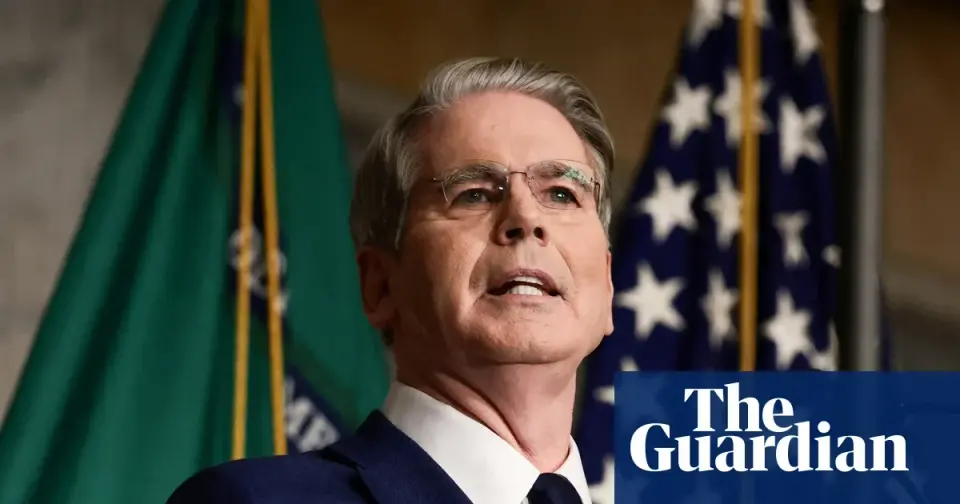
Treasury Secretary Scott Bessent’s effort to suppress US bond yields through expanded buybacks faces sharp criticism from former mentor Stanley Druckenmiller, who argues such interventions cannot overcome fundamental fiscal deficits. While Bessent has doubled buyback limits and potentially tapped the $950 billion General Account, market skepticism persists as yields remain elevated amid a $40 trillion national debt.
Key points
- Stanley Druckenmiller, a former colleague of Bessent at George Soros’s fund, warned in the Wall Street Journal that governments attempting to defend bond prices against market fundamentals will ultimately lose.
- Bessent recently doubled the Treasury’s maximum buyback size from $2 billion to at least $4 billion, a move that briefly lowered yields but failed to sustain the decline.
- CNBC reported that the Treasury may utilize its near-$1 trillion General Account to fund additional purchases, a strategy Bessent termed a 'Treasury Twist' to manage long-term borrowing costs.
- Citadel Securities described the buybacks as 'financial repression,' arguing that suppressing yields without addressing the underlying deficit could exacerbate inflation and distort monetary policy.
- The US national debt recently surpassed $40 trillion, with the annual deficit expected to reach $2 trillion, creating a structural pressure that Druckenmiller claims only credible fiscal reform can resolve.
Background
This debate follows a series of recent interventions by the Trump administration to stabilize the bond market, including a joint currency operation with Japan in August 2026. Previous coverage noted that while Bessent’s initial buyback announcement caused a temporary dip in the 30-year yield to approximately 5.20%, the effect faded quickly as investors remained concerned about the sustainability of the debt load and the lack of concrete deficit reduction plans.
How outlets are covering it
The Guardian highlights Druckenmiller’s view that the long-term Treasury yield is the 'most important price in the world' and that Washington must accept market signals rather than fight them. CNBC focuses on the operational mechanics, noting that Treasury officials are considering using the General Account to provide 'firepower' for buybacks, while Bessent insists the goal is to keep the market in equilibrium. Business Insider, citing Citadel Securities, frames the intervention as 'financial repression' that risks long-term economic health by masking the need for tighter fiscal policy. While Bessent views the move as a liquidity management tool, critics argue it is a futile attempt to manage prices in the face of a $2 trillion deficit.
Why it matters
The outcome of this policy clash determines whether the US can manage its rising borrowing costs through market intervention or if it must confront difficult fiscal reforms. If the Treasury’s buybacks fail to lower yields durably, it could signal a loss of confidence in US debt, potentially leading to higher interest rates for consumers and businesses, or forcing the government to address its deficit through unpopular spending cuts or tax increases.
What to watch
The first expanded buyback operation is scheduled for September 9, 2026. Market participants will closely watch whether the Treasury utilizes the General Account and if yields stabilize or continue to rise. Bessent has indicated that top officials will meet soon to forge plans to improve the fiscal situation, but no concrete deficit reduction measures have been announced yet.
- US Treasury’s Scott Bessent ‘will lose’ battle with bond markets, former mentor warns The Guardian
- Bessent could tap near $1 trillion Treasury General Account to fund bond buybacks, sources said CNBC
- What’s Behind the U.S. Treasury’s Latest Attempt to Lower Interest Rates The New York Times
- Druckenmiller, Bessent’s Early Mentor, Calls Bond Buys a Mistake Bloomberg.com
- The Treasury's attempts to get bond yields down amount to 'financial repression,' Citadel Securities says Business Insider
Want the full story? Read the original reporting
Read on The Guardian