
FAA Ground Stop Follows Rollout of New AI Traffic Tool
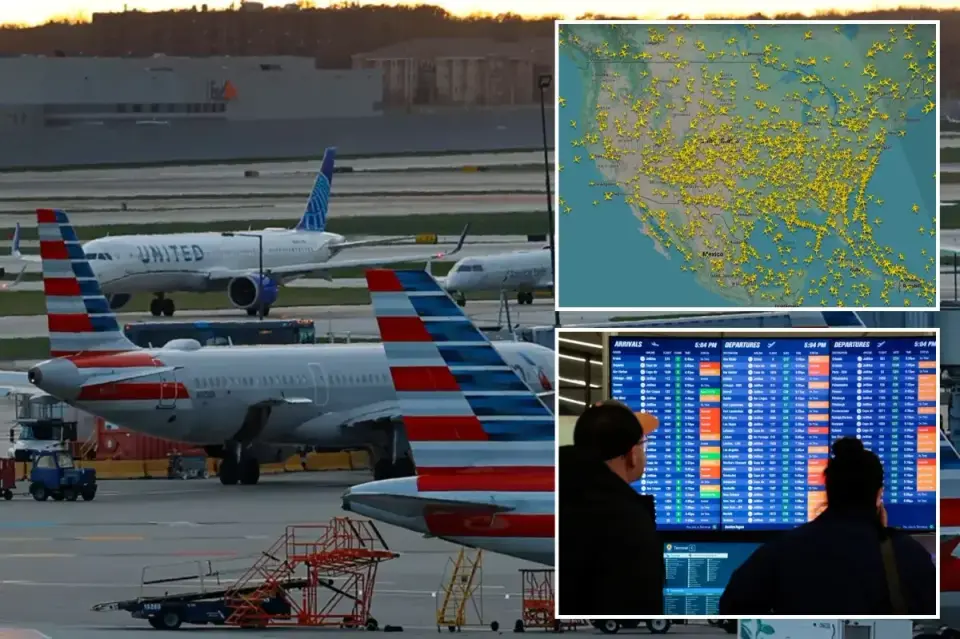
The FAA issued a rare nationwide ground stop on November 13, 2026, halting flights for five hours due to a telecommunications outage. The disruption occurred three days after the agency expanded its new AI tool, SMART, to all 22 air traffic control centers. While officials deny a link between the two, critics question the timing and reliability of the new system.
Key points
- FAA halted all US departures at 4 p.m. ET on Nov. 13 due to a telecommunications outage, lifting the stop at 8:15 p.m. ET.
- The outage followed the expansion of the $875 million SMART AI system to all 22 air route traffic control centers on Nov. 10.
- SMART merges data streams to predict airspace constraints but requires human validation before implementation.
- Officials ruled out a cyberattack, attributing the issue to aging infrastructure, but did not definitively rule out AI failure.
- The National Air Traffic Controllers Association stated it was not involved in the design or testing of SMART.
Background
The FAA had previously deployed SMART in the National Capital Region in September, claiming it saved time and fuel. The agency expanded the system to centers in Atlanta, Jacksonville, and Miami before the nationwide rollout. This incident is the second nationwide ground stop since 9/11, following a similar halt in 2023.
How outlets are covering it
The New York Post and WIRED highlight the suspicious timing of the ground stop relative to the SMART rollout, with a source telling the Post the stoppage may have been caused by a software upgrade. WIRED notes that while the FAA claims SMART assists controllers, it does not replace them, and local controllers can reject recommendations. Ars Technica reports that the National Air Traffic Controllers Association was not consulted during SMART's development. The Atlantic argues that public speculation about AI failure stems from a lack of transparency from the FAA and a broader distrust of new technology in critical infrastructure. Conversely, the FAA and airline executives like Delta and American Airlines support SMART as a tool to reduce delays and improve efficiency.
Why it matters
The incident raises concerns about the reliability of AI systems in critical infrastructure and the resilience of aging telecommunications networks. It highlights the tension between rapid technological adoption and the conservative safety standards required in aviation, potentially impacting future policy and public trust in air travel.
What to watch
The FAA is expected to investigate the root cause of the telecommunications outage further. Officials have warned that normal operations may take days to restore due to backlogs, and delays are expected to persist through the Thanksgiving travel season. The agency has requested $50 billion in emergency funding for system upgrades.
- FAA launched new AI ‘SMART’ tool to all air route traffic control centers just days before nationwide ground stop New York Post
- FAA expands AI advice to manage air traffic congestion across entire US airspace Ars Technica
- No Pilots. Few Air Traffic Controllers. What Could Go Wrong? WIRED
- Of Course Americans Blamed the Ground Stop on AI The Atlantic
- EXCLUSIVE: Trump's FAA touts new AI-powered tool helping thousands of passengers avoid flight delays Fox News
Want the full story? Read the original reporting
Read on New York Post