
Congress blocks FDA food traceability rule until 2028, delaying response to cyclospora outbreak
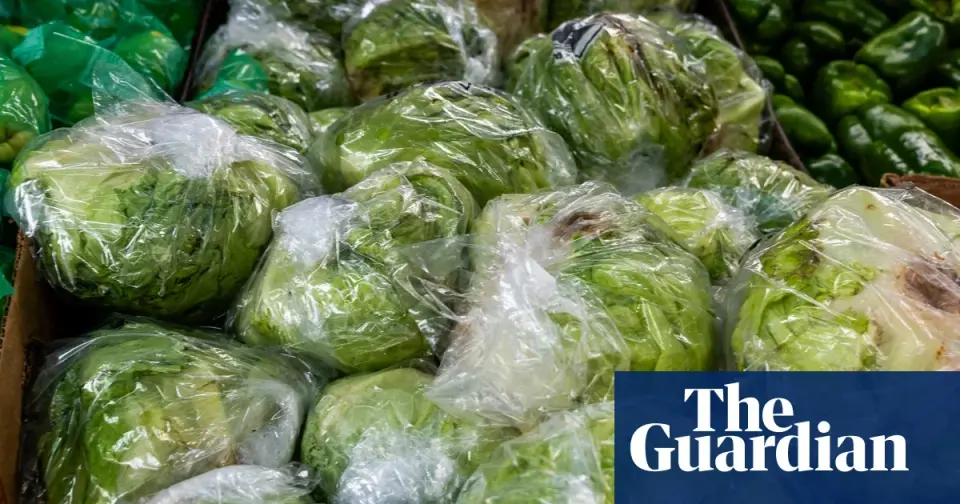
A 2011 law requiring food companies to track high-risk products has been delayed until 2028. This delay hampers investigations into a massive cyclospora outbreak that has sickened over 24,000 people. Consumer groups urge Congress to reverse the delay, while industry argues it needs time to implement costly changes.
Key points
- The FDA Food Traceability Rule, mandated by the 2011 Food Safety Modernization Act, was delayed by Congress until July 2028.
- The delay prevents the FDA from enforcing record-keeping requirements for high-risk foods like leafy greens, soft cheese, and peanut butter.
- A cyclospora outbreak linked to Taylor Farms lettuce has sickened over 24,000 people and killed two, highlighting the need for faster traceability.
- The Safe Food Coalition, comprising 11 consumer and labor groups, urged Congress to rescind the delay, arguing it weakens outbreak investigations.
- Industry groups, including the Food Industry Association and major retailers, lobbied for the delay, citing high costs and operational complexity.
- The rule requires 'lot-level' tracking to pinpoint contaminated shipments, a capability currently missing from the US 'one up, one back' system.
Background
The Food Safety Modernization Act (FSMA) was passed in 2011 to modernize food safety regulations. Section 204 of the act required the FDA to create a traceability rule for high-risk foods. After a lawsuit by the Center for Food Safety, the FDA finalized the rule in 2022, setting a compliance date for January 2026. However, the FDA delayed compliance by 30 months in March 2025. In November 2025, Congress included a provision in the appropriations bill that prohibited the FDA from enforcing the rule until July 2028. This delay coincides with a significant cyclospora outbreak in the US Midwest, which has sickened over 24,000 people and killed two, primarily linked to Taylor Farms lettuce. The outbreak has caused a crisis in consumer confidence, with lettuce prices dropping over 16% in July as consumers avoided fresh produce.
How outlets are covering it
The Guardian and Food Safety Magazine report that the traceability rule has been delayed for 15 years, with the most recent delay occurring in 2025 due to industry lobbying. They highlight the Safe Food Coalition's letter to Congress, urging the rescission of the delay, and note that the rule could have helped investigate the cyclospora outbreak more quickly. Bill Marler, a food safety attorney, criticizes the delay, calling it 'inconceivable' and arguing that the rule benefits industry by allowing contaminated products to be removed faster. The Food Industry Association (FMI) argues that the rule is 'extraordinarily complex' and requires time for implementation, citing concerns about costs and operational disruptions. The Quality Assurance & Food Safety magazine notes that the Safe Food Coalition also objected to a provision in the appropriations bill that directs the FDA to consider greater flexibility in lot-code tracking, arguing that lot-level information is critical for outbreak investigations. The Marler Blog emphasizes that the delay not only postpones enforcement but also directs the FDA to reconsider the rule's core requirements, potentially weakening it. The Food Safety Magazine notes that large retailers like Kroger, Albertsons, and Walmart have already implemented traceability programs, suggesting that the delay may not be necessary for all industry players.
Why it matters
The delay in the FDA Food Traceability Rule hampers the ability to quickly identify and remove contaminated food from the market, potentially leading to more foodborne illnesses and deaths. The cyclospora outbreak, which has sickened over 24,000 people, highlights the need for faster traceability. The delay also affects consumer confidence in the food supply chain, leading to decreased consumption of fresh produce and economic losses for farmers. The rule's implementation could improve public health by enabling more effective outbreak investigations and reducing the spread of contaminated food.
What to watch
The Safe Food Coalition and other consumer groups will likely continue to pressure Congress to rescind the delay in the FDA Food Traceability Rule. The FDA may also reconsider the rule's requirements, particularly regarding lot-code tracking, as directed by the appropriations bill. Industry groups will continue to lobby for flexibility in the rule's implementation, citing concerns about costs and operational complexity. The cyclospora outbreak will continue to be investigated, with health departments and the FDA working to identify the source and prevent further illnesses. The delay in the traceability rule may also affect other foodborne illness outbreaks, potentially leading to more illnesses and deaths in the future.
- US law to investigate foodborne illness outbreaks has been delayed for 15 years The Guardian
- Safe Food Coalition Urges Congress to Lift Freeze on FDA Traceability Rule Enforcement Quality Assurance & Food Safety
- Eleven Consumer, Public Health and Labor Groups Just Asked Congress to Rescind the Traceability Rider. They Are Right, and Section 780 Is Worse Than a Delay, Because It Also Tells FDA to Go Back to the Drawing Board on Lot Codes. Marler Blog
- Congress Urged to Prevent FDA Traceability Rule Delay, Which Could Have Helped Cyclospora Outbreak Investigation Food Safety Magazine
- Article - Safe Food Coalition Urges Congress to Reverse Freeze on FDA Traceability Funding Consumer Federation of America
Want the full story? Read the original reporting
Read on The Guardian