
TSA officers in Dallas uncover pocketknife hidden inside toothpaste tube
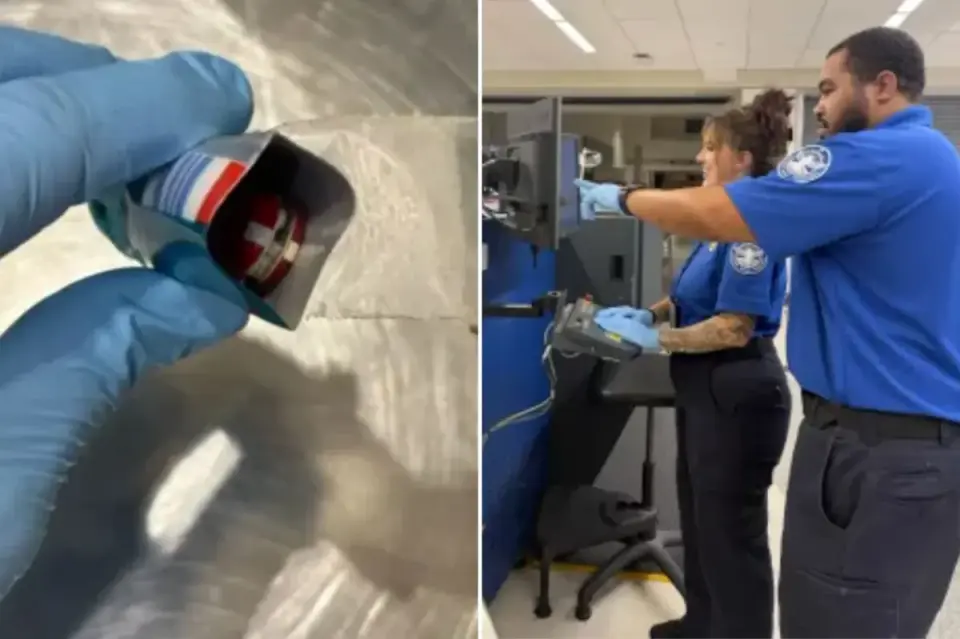
TSA agents at Dallas Love Field Airport discovered a pocketknife concealed inside a tube of toothpaste during a routine carry-on screening. The married couple traveling with the item admitted their son suggested the hiding method. After voluntarily surrendering the weapon, the passengers were allowed to continue their flight.
Key points
- TSA Officer Jazmine Kramer identified a metal object near toiletries via X-ray at Dallas Love Field.
- Security Training Instructor Wade Brown Jr. initially failed to locate the item during a manual search.
- Brown re-scanned the bag and detected tape on the toothpaste tube, revealing the hidden knife.
- The travelers stated their son advised them to conceal the blade to bypass security checks.
- The couple surrendered the knife and was permitted to proceed to their flight without arrest.
Background
This incident follows a similar discovery at Tampa International Airport on September 21, where a 4-inch double-edged knife was found hidden inside a baseball-bat-shaped flashlight. In that case, the passenger was arrested and barred from travel after admitting to hiding the item to save space. The Dallas case highlights recurring attempts to conceal prohibited items in everyday objects, though the outcomes differ based on passenger cooperation.
How outlets are covering it
Fox News and the New York Post reported the story with identical details, emphasizing the surprise of the officers and the unusual nature of the concealment method. The official TSA website provided additional context, highlighting the teamwork between Officer Kramer and Instructor Brown, and quoting DAL TSA Manager Chandra Cousan, who praised the catch as an example of layered security. While all sources agree on the facts, the TSA statement focused on training and vigilance, whereas news outlets focused on the novelty of the hiding method and the son's role in the plan.
Why it matters
The incident underscores the importance of thorough screening and officer communication in detecting prohibited items. It demonstrates that while some concealment attempts fail due to X-ray detection, others may succeed if officers do not re-scan or inspect items closely. The voluntary surrender and lack of arrest in this case contrast with stricter penalties in other incidents, highlighting variable enforcement outcomes.
What to watch
TSA officials may use this case in training to emphasize the need for re-scanning and detailed inspection when initial searches fail to locate flagged items. No further legal action is expected against the Dallas travelers, as they cooperated and surrendered the item.
- Sharp weapon discovered by TSA tucked inside unusual item in passenger’s carry-on bag New York Post
- Sharp weapon discovered by TSA tucked inside unusual item in passenger's carry-on bag Fox News
- TSA Dallas (DAL) uncaps hidden knife in toothpaste tube after son’s surprising advice to parents tsa.gov
- TSA officer finds hidden surprise inside bat-shaped flashlight in carry-on luggage NJ.com
- Alarming discovery made by TSA of hidden object in passenger's unusual flashlight, expert warns Yahoo
Want the full story? Read the original reporting
Read on New York Post