
SBA Proposes Sweeping Overhaul to Redefine 'Small Business' for Federal Contracts
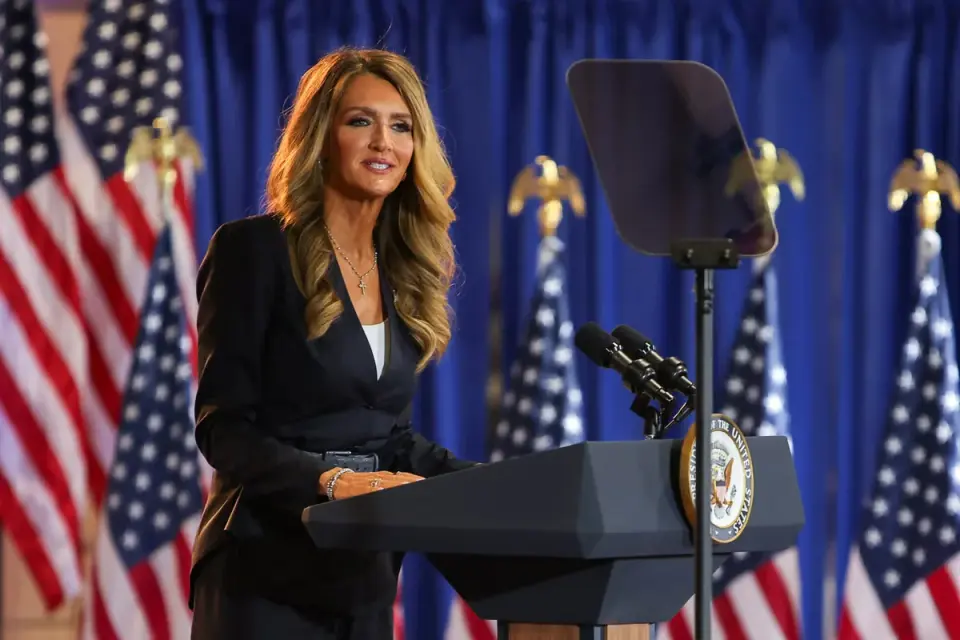
The Small Business Administration (SBA) has proposed a major rule change that would significantly raise revenue and employee thresholds for federal 'small business' status, potentially including companies with over $1 billion in revenue. The move aims to simplify classification systems and expand eligibility for government contracts, but critics warn it could disadvantage the smallest firms by forcing them to compete against much larger rivals.
Key points
- The SBA, led by Administrator Kelly Loeffler, is proposing to expand the definition of small businesses to include firms with revenues exceeding $1 billion in certain sectors.
- The proposal seeks to simplify the North American Industry Classification System (NAICS) by reducing size standard categories from nearly 1,000 to 338 broad groupings.
- If finalized, the rule would make approximately 114,000 additional companies eligible for federal small business contracts, loans, and other assistance programs.
- Specific industry thresholds would see massive increases; for example, the revenue cap for computer programming services would rise from $34 million to $531 million, while other financial activities could reach over $1 billion.
- The SBA argues this change provides regulatory certainty and helps companies scale, while critics argue it undermines the original purpose of the agency by pitting tiny firms against large corporations.
Background
This proposal follows earlier SBA actions in 2026 to update size standards, including a recent move to consolidate six-digit NAICS codes into broader groups for IT and consulting sectors. The current debate builds on long-standing complaints about how the government determines size standards, with previous updates under the Biden administration focusing on inflation adjustments and methodology revisions that were never fully finalized.
How outlets are covering it
The Independent and The New York Times highlight the controversial nature of the proposal, noting that while some business owners support higher limits, the scale of the increase could harm the smallest companies by forcing them into direct competition with much larger rivals. Federal News Network provides technical detail, noting that the SBA is simultaneously changing the methodology and the standards, a step experts like John Shoraka criticize as skipping a critical review process. While the SBA frames the change as a way to support 'job creators' and industrial base resilience, critics like Eric Crusius describe it as a 'shock to the system' that could alter the entire competitive landscape of federal contracting, potentially making 'small' status less valuable for investors and buyers.
Why it matters
This regulatory shift could fundamentally alter the landscape of federal procurement, affecting how thousands of companies compete for government contracts. By redefining 'small business' to include entities with revenues previously considered large, the SBA aims to reduce regulatory barriers and support growth, but risks creating a market where the smallest firms are outcompeted by larger, newly-eligible entities, potentially impacting innovation and costs for taxpayers.
What to watch
The SBA is accepting public comments on the proposed size standards and methodology changes until September 21, 2026. Experts are watching to see if the agency will pause to review feedback on the methodology before finalizing the new standards, as previous administrations typically separated these steps to incorporate public input more thoroughly.
- Trump team wants billion-dollar companies to be small businesses The Independent
- Trump Administration Wants Billion-Dollar Businesses to Qualify as ‘Small’ The New York Times
- SBA wants to give 114,000 more companies access to small business contracts Federal News Network
- SBA looks to right-size small business rules…again Federal News Network
- PilieroMazza Town Hall: Breaking Down SBA’s Massive Proposed Changes to Small Business Size Standards JD Supra
Want the full story? Read the original reporting
Read on The Independent