
Danish Software Flaw Triggers Massive Cyberattack on French Supermarket Fridges
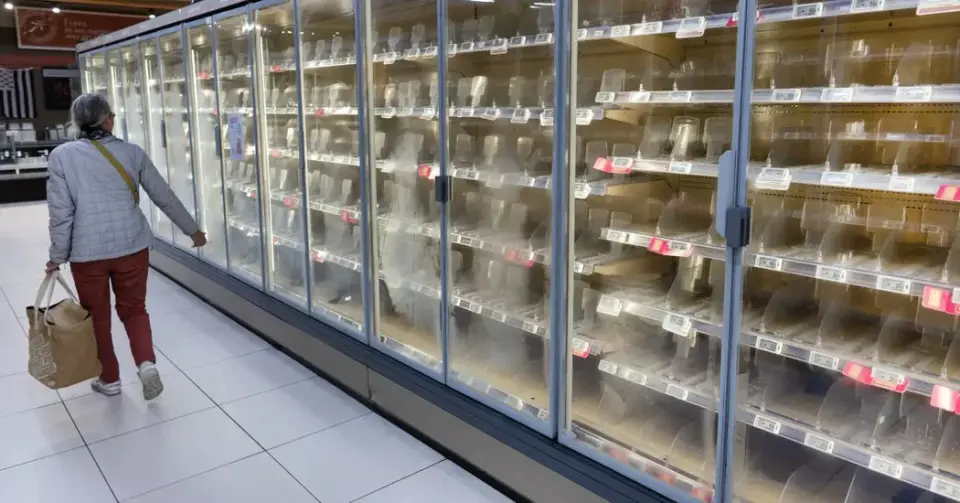
A coordinated cyberattack disrupted refrigeration systems in over 400 French supermarkets, causing freezers to overheat to 122°F (50°C), spoiling food, and sparking fires. The incident targeted legacy software from Danish firm Danfoss, affecting chains like Intermarché and Coopérative U. French authorities have launched an investigation, while European officials warned that the weaponization of food supply chains is now a reality.
Key points
- Over 400 French supermarkets were affected, including Intermarché, Netto, Coopérative U, and Monoprix.
- Refrigerators and freezers overheated to 50°C (122°F), causing food spoilage and smoke in some stores.
- The attack targeted legacy refrigeration software from Danish manufacturer Danfoss.
- Les Mousquetaires, parent of Intermarché, estimated losses in the millions of euros.
- European Commissioner Christophe Hansen called the incident 'unprecedented' and warned of food weaponization.
- The attack also impacted supermarkets in Spain, Portugal, Poland, Germany, and Belgium.
Background
This incident follows a broader wave of AI-enhanced cyberattacks targeting critical infrastructure. Earlier coverage noted concerns about the security of internet-connected industrial equipment across Europe. The attack exploited a known vulnerability in Danfoss systems, highlighting risks in legacy software used in supply chains.
How outlets are covering it
The New York Times emphasized the scale of the attack on French chains and the lack of identified culprits. CNBC highlighted the physical consequences, including fires and food spoilage, and noted the cross-border impact in Europe. AP News confirmed the investigation by French authorities and the involvement of multiple chains. All sources agree on the Danfoss software vulnerability as the target, but differ in emphasis on the immediate physical damage versus the broader geopolitical implications.
Why it matters
The attack underscores vulnerabilities in critical infrastructure, particularly in food supply chains. It raises concerns about the weaponization of essential services and the need for stronger cybersecurity measures in industrial systems. The incident could lead to increased scrutiny of legacy software and supply chain security across Europe.
What to watch
French prosecutors are investigating the attack, and Les Mousquetaires is awaiting findings from court-appointed experts to assess damages. European officials are likely to call for enhanced cybersecurity measures in critical infrastructure. The incident may prompt a review of legacy software vulnerabilities in industrial systems across Europe.
- Cyberattack Hits Hundreds of Supermarket Refrigeration Systems in France The New York Times
- Cyberattack targeting refrigeration systems hits 700 supermarkets, French government says AP News
- French supermarket fridges get hacked, heating to 122°F and sparking fires CNBC
- Investigators hunt French supermarket fridge hackers, no claim of responsibility Reuters
- Cyberattacks hit European supermarket chains and disrupt refrigeration systems The Seattle Times
Want the full story? Read the original reporting
Read on The New York Times