
EU urges consumption cuts as White House weighs diesel export ban
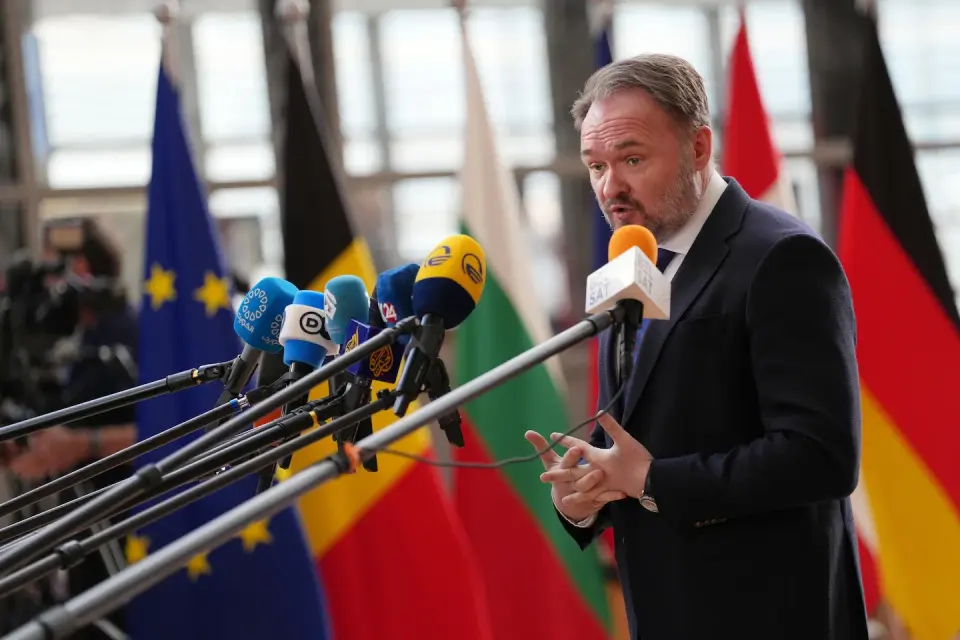
The European Union is preparing for a potential winter energy crisis if President Trump bans U.S. diesel exports. EU officials have recommended immediate consumption cuts, while the White House explores alternatives like releasing strategic reserves to avoid disrupting global markets.
Key points
- EU Energy Commissioner Dan Jorgensen advised all 27 member states to reduce gas and electricity usage 'for as long as necessary' to mitigate potential supply shortages.
- The U.S. supplies approximately half of Europe's diesel imports, making the continent highly vulnerable to an export ban.
- White House officials and oil industry executives are lobbying against a full ban, proposing instead that European nations release diesel from their own strategic reserves.
- Goldman Sachs warns that while a ban might initially lower diesel prices, it could eventually add 30 cents per gallon to gasoline costs due to supply chain disruptions.
- Energy prices have surged due to ongoing conflicts in Ukraine and Iran, with U.S. diesel reaching record highs of $6.53 per gallon.
Background
This development follows weeks of intense debate over a potential 90-day diesel export ban. Previous reports indicated that U.S. diesel prices hit record highs in late September 2026, driven by global supply disruptions from the Iran and Ukraine wars. While the White House has not finalized a decision, Energy Secretary Chris Wright suggested the administration was weighing restrictions rather than an outright ban. Industry groups and EU officials have consistently warned that such a move would backfire by raising global prices and disrupting refining capacity.
How outlets are covering it
The Washington Post emphasizes the EU's defensive posture, highlighting the formal recommendation for consumption cuts as a direct response to the threat of a U.S. export ban. In contrast, Politico focuses on the internal U.S. political dynamics, noting that while Trump appears set on a ban, his cabinet and oil industry allies are actively pitching alternatives to prevent market disruption. These alternatives include asking European governments to release diesel from strategic reserves. Yahoo Finance, citing Goldman Sachs, provides a market-focused perspective, warning that a ban could have unintended consequences, such as increasing gasoline prices by 30 cents per gallon in the long term. The outlets differ in their emphasis: The Post and Politico focus on diplomatic and political maneuvering, while Yahoo Finance highlights the economic ripple effects on fuel prices.
Why it matters
The potential diesel export ban threatens to exacerbate an already fragile global energy market, with direct implications for European winter preparedness and U.S. domestic fuel costs. The move also risks straining transatlantic relations and could influence the November midterm elections by affecting voter sentiment on energy prices.
What to watch
The White House is expected to finalize its decision on diesel exports in the coming weeks, potentially before the November midterm elections. EU member states may implement the recommended consumption cuts if the ban is enacted. Oil industry executives and GOP lawmakers will continue to lobby for alternatives, such as strategic reserve releases, to avoid a full export ban.
- Trump’s proposed diesel export ban spurs fear of energy crunch in Europe The Washington Post
- These Republicans Have Called on Trump to Ban U.S. Diesel Exports The New York Times
- Trump's diesel export ban could cut diesel prices at first — then add 30 cents per gallon to gas, Goldman Sachs warns Yahoo Finance
- White House weighs red-dyed diesel tax relief to lower fuel prices Reuters
- White House looking to Europe to release diesel from strategic reserves Politico
Want the full story? Read the original reporting
Read on The Washington Post