
UK Air Traffic Glitch Grounds 2,000 Flights, Sparking Calls for NATS CEO to Resign
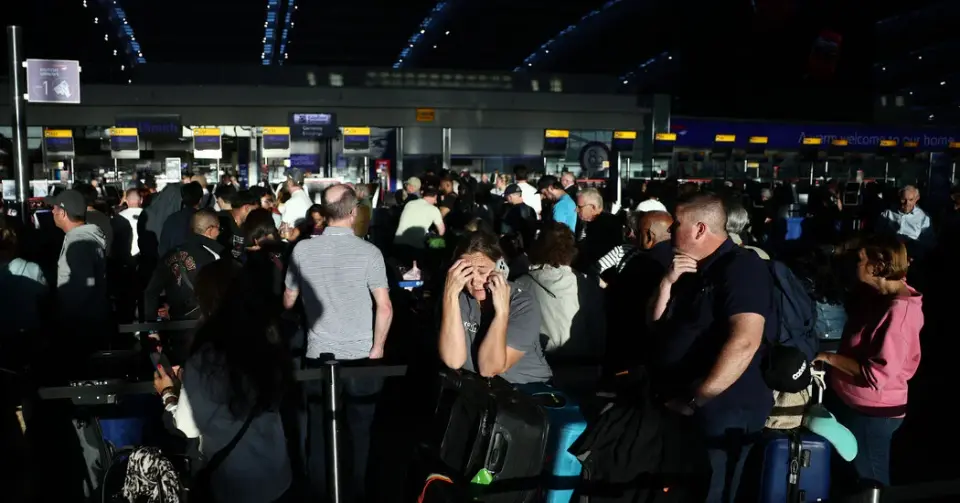
A technical fault in the UK’s National Air Traffic Services (NATS) system caused over 2,000 flight cancellations and disrupted 330,000 passengers across major airports like Heathrow and Gatwick. While NATS ruled out a cyberattack, airlines and the government are demanding accountability, with Ryanair calling for the CEO’s resignation.
Key points
- NATS identified a technical issue in its flight management computer system at its Swanwick site, which was resolved after four hours but caused lasting network-wide backlogs.
- Over 2,000 flights were canceled, with 155,000 passengers facing cancellations and 180,000 experiencing delays; Heathrow alone saw 541 cancellations on Tuesday.
- Transport Secretary Heidi Alexander commissioned an independent review by the Civil Aviation Authority and gave NATS CEO Martin Rolfe one week to report on the cause, stating the issue was not unavoidable.
- Airlines, including Ryanair and Wizz Air, demanded Rolfe’s resignation, citing this as the third major NATS failure in three years and noting that UK air traffic control costs have risen 28% since 2022.
- The Civil Aviation Authority indicated passengers are unlikely to receive compensation, as the disruption is likely classified as 'extraordinary circumstances'.
Background
This incident follows two previous major NATS disruptions: a radar technical issue in July 2025 that canceled over 150 flights, and a catastrophic flight plan processing failure in August 2023 that grounded flights for days and prompted a parliamentary inquiry. Recent global aviation IT outages, such as the American Airlines ground stop in July 2026, have highlighted vulnerabilities in air traffic management systems.
How outlets are covering it
The New York Times and CNBC focused on the technical nature of the glitch and the immediate passenger impact, noting NATS’s claim that the issue was unprecedented in 50 years of operation. The Guardian and Ryanair’s corporate statement emphasized accountability, with the latter calling NATS CEO Martin Rolfe’s position 'untenable' due to repeated failures despite promises of improved resilience. While the government expressed confidence in Rolfe, airlines argued that rising costs and recurring outages justify leadership changes. The CAA’s stance on compensation diverged from passenger expectations, framing the event as an extraordinary circumstance rather than a service failure warranting refunds.
Why it matters
The disruption underscores persistent vulnerabilities in the UK’s air traffic control infrastructure, raising concerns about system resilience and the cost-effectiveness of NATS services. It highlights the growing tension between aviation authorities, airlines, and passengers over accountability and compensation for recurring technical failures.
What to watch
NATS CEO Martin Rolfe is expected to submit a full investigation report within one week. The Civil Aviation Authority will conduct an independent review of the incident. Airlines may continue to press for leadership changes, while passengers will monitor for potential compensation policies or alternative travel arrangements.
- Travelers Face More Delays After Major Disruption at British Airports The New York Times
- Nats boss summoned by UK transport secretary as flight chaos enters second day The Guardian
- UK flights resume after major air traffic outage but airports warn of more disruption Reuters
- UK air traffic chief rules out cyber attack after massive disruption at Heathrow CNBC
- RYANAIR CALLS ON NATS CEO TO QUIT AFTER YET ANOTHER UK ATC SYSTEM FAILURE ON TUES (8 SEPT) Ryanair corporate
Want the full story? Read the original reporting
Read on The New York Times