
Heirs challenge $180m Van Gogh sale, alleging 1936 Nazi-era coercion
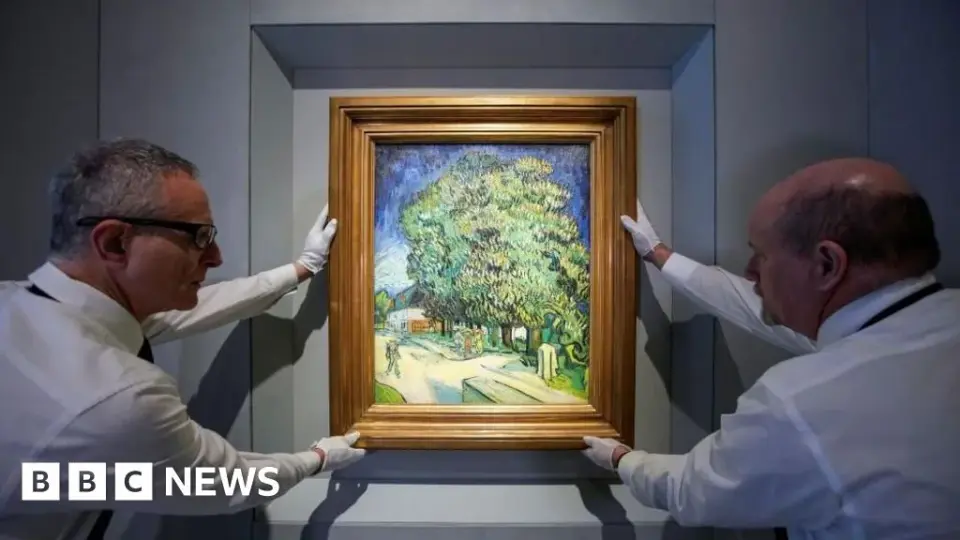
Sotheby's is facing a legal challenge to sell Vincent van Gogh's 'Blossoming Chestnut Trees' for an estimated $180 million. Heirs of the original German Jewish owners claim the 1936 sale was coerced by Nazi persecution. Sotheby's states its research did not confirm duress but is seeking a resolution.
Key points
- The painting, 'Châtaigniers en Fleurs' (Blossoming Chestnut Trees), is estimated at $180 million, potentially setting a record for Van Gogh works at auction.
- The work is part of the Blaquier-Arrieta collection, which is also scrutinized for its origins in Argentine sugar industry wealth linked to human rights abuses during the 1970s dictatorship.
- Heirs of the Fischer family, who owned the painting before 1936, argue it was sold under duress in Amsterdam due to financial losses caused by Nazi persecution of their publishing company.
- Sotheby's stated that its research has not established that the sale was coerced, but it is in dialogue with the family to reach a mutually satisfactory resolution.
- The auction was scheduled for Wednesday in New York, with the painting backed by a financial guarantee from the auction house.
Background
This dispute highlights ongoing tensions in the art market regarding provenance and restitution of works acquired during the Nazi era. The Blaquier-Arrieta collection has previously faced scrutiny over its Argentine origins, specifically linked to the Ledesma sugar company and the 'Night of the Blackout' in 1976, where up to 55 trade unionists were disappeared. While the current challenge focuses on the 1936 sale, the collection's broader history adds complexity to the auction's legitimacy.
How outlets are covering it
BBC and The New York Times focus on the legal challenge from the Fischer heirs, emphasizing the claim of duress during the Nazi rise. The Guardian provides broader context on the Blaquier-Arrieta collection's controversial origins in Argentina, noting that Sotheby's has not addressed these allegations in its publicity. The Telegraph source was inaccessible due to a security block, so its perspective could not be analyzed. All accessible sources agree on the $180 million estimate and the scheduled auction date, but differ in emphasis: BBC and NYT focus on the restitution claim, while The Guardian highlights the ethical implications of the collection's history.
Why it matters
This case tests the limits of provenance research in high-value art auctions and raises questions about the ethical responsibilities of auction houses in handling works with contested histories. The potential record price underscores the financial stakes involved in resolving restitution claims, which could set precedents for future disputes involving Nazi-era acquisitions.
What to watch
Sotheby's is in dialogue with the Fischer heirs to resolve the dispute. The outcome will determine whether the painting is withdrawn from the Wednesday auction or proceeds to sale. Legal proceedings may follow if a resolution is not reached, potentially impacting the auction's schedule and the collection's reputation.
- Sotheby's auction of $180m Van Gogh challenged over claims it was 'sold under duress' BBC
- Jewish Heirs Challenge Sale of $180 Million van Gogh Painting at Sotheby’s The New York Times
- Masterpieces haunted by brutal past could send records tumbling at Sotheby’s The Guardian
- Jewish heirs challenge sale of £135m Van Gogh over ‘Nazi duress’ claim The Telegraph
- Descendants of Jewish owners of Van Gogh piece ask Sotheby's to pull it from auction, citing sale under Nazis -- NYT The Times of Israel
Want the full story? Read the original reporting
Read on BBC