
Yayoi Kusama’s Death Sparks Debate Over Her Radical Roots vs. Commercial Legacy
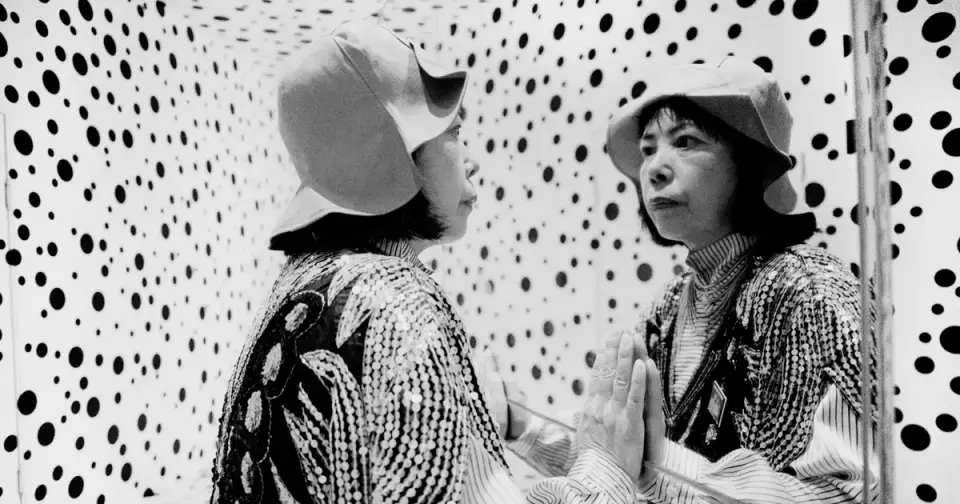
Japanese artist Yayoi Kusama has died at age 97. While global tributes celebrate her iconic Infinity Rooms and polka-dot motifs, critics argue her later commercial success obscured her earlier radical, anti-war, and feminist works. The art world is re-evaluating her legacy as a pioneer of installation art and performance, not just a pop-culture brand.
Key points
- Yayoi Kusama died at 97, prompting widespread tributes from museums, galleries, and artists worldwide.
- Her later fame was driven by immersive Infinity Mirror Rooms and collaborations with brands like Louis Vuitton.
- Critics note her early 1960s work, including phallus-covered soft sculptures and naked performance art, was more radical and subversive.
- Kusama’s 1966 'Narcissus Garden' at the Venice Biennale involved 1,500 mirrored balls and challenged art world norms.
- Her career saw a shift from avant-garde experimentation to a highly profitable, globally recognized brand identity.
Background
Kusama’s legacy has been the subject of recent archival discussions regarding her early transatlantic journey and her final decade of prolific, commercially successful work. Previous coverage highlighted how her art emerged from a mix of personal upheaval and ambition, rather than solely psychiatric illness, and noted her record auction prices and museum exhibitions before her death.
How outlets are covering it
Vulture’s Jerry Saltz argues that Kusama’s Infinity Rooms, while world-famous, upstaged the depth of her earlier radical work, turning a complex artist into a 'generic brand.' He emphasizes her pre-1960s Infinity Net paintings and her 1966 Venice Biennale intervention as key to understanding her vision. The Atlantic’s Sebastian Smee echoes this, stating that Kusama’s later status as a 'highly profitable brand' obscured her role in the 1960s counterculture and feminist art movements. Hyperallergic, however, focuses on the immediate global reaction, highlighting tributes from figures like Glenn Scott Wright and institutions like the Museum Ludwig, which celebrated her as a 'daring, radical, and complex force' and noted the massive attendance at her recent Cologne retrospective. While all sources acknowledge her commercial success, Vulture and The Atlantic critique the flattening of her artistic identity, whereas Hyperallergic documents the broad cultural reverence for her legacy.
Why it matters
Kusama’s death marks the end of an era for the 20th-century avant-garde. Her trajectory from underground performance artist to global pop icon illustrates the tension between artistic radicalism and commercial commodification in contemporary art. Re-evaluating her early works offers a new lens on the history of feminist art, installation art, and the role of mental health in creative practice.
What to watch
Museums and galleries are likely to curate new exhibitions focusing on Kusama’s early, less-known works to counterbalance her pop-culture image. The art market may see continued high demand for her later pieces, but critical discourse will likely shift toward re-contextualizing her contributions to 1960s experimental art and social commentary.
Want the full story? Read the original reporting
Read on Vulture