
Van Gogh’s 'Chestnut Trees in Blossom' Sets $190.4M Record After Nazi-Era Dispute Resolution
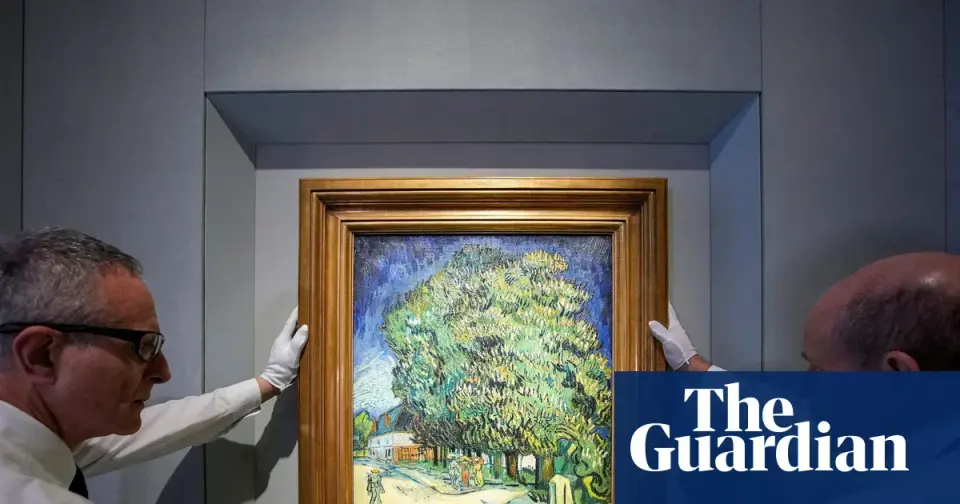
Vincent van Gogh’s 1890 painting 'Châtaigniers en fleurs' sold for a record $190.4 million at Sotheby’s in New York, surpassing the previous auction record of $117.2 million. The sale followed a last-minute settlement between the seller, the Blaquier-Arrieta family, and the heirs of Samuel Fischer, a Jewish publisher who sold the work in 1936. Fischer’s heirs alleged the sale was coerced by Nazi-era financial pressures, but the dispute was resolved before the auction, allowing the sale to proceed.
Key points
- The painting sold for $190.4 million (£144.9 million), setting a new auction record for Van Gogh and the highest price for any artwork at this season’s sales.
- The buyer was William Acquavella, head of Acquavella Galleries, according to The New York Times.
- The sale followed a dispute where Fischer’s heirs claimed the 1936 sale was forced by Nazi persecution, but Sotheby’s and the seller reached an agreement on Tuesday.
- The painting was part of the Blaquier-Arrieta collection, which had not been publicly displayed in over 50 years.
- The broader auction night included 12 lots from the collection, generating nearly $412 million, with Cézanne’s 'Arlequin' selling for over $111 million.
Background
The Blaquier-Arrieta family acquired 'Châtaigniers en fleurs' in 1975 and had owned it for more than half a century. The painting, created in 1890 in Auvers-sur-Oise, France, depicts chestnut trees in blossom and was part of a private collection described by Sotheby’s as a 'mini Musée d’Orsay.' The dispute arose when Fischer’s heirs challenged the sale, alleging the 1936 transaction was coerced by Nazi-era financial losses. Sotheby’s had previously stated its provenance research did not support the duress claim, but the parties reached a settlement before the auction.
How outlets are covering it
The Guardian and CNN emphasized the record-breaking price and the resolution of the Nazi-era dispute, noting the Fischer heirs’ statement about acknowledging their family’s suffering. The BBC highlighted the provenance details, including the painting’s deposit with Paul Cassirer in Amsterdam in 1932 or 1933. RTE.ie focused on the legal challenge and the subsequent agreement, while The New York Times identified the buyer as William Acquavella. All sources agreed the sale proceeded after a last-minute settlement, but differed in emphasis: some focused on the price, others on the ethical implications of the Nazi-era sale.
Why it matters
The sale underscores the ongoing tension between art markets and Nazi-era restitution claims. The resolution of the dispute without litigation sets a precedent for handling similar cases, while the record price reflects the enduring value of Van Gogh’s work. The auction also highlights the significance of private collections in the art market, as the Blaquier-Arrieta collection had not been publicly displayed in decades.
What to watch
The painting will likely be acquired by William Acquavella, though its future display or sale is not specified. The broader art market may see increased scrutiny of provenance for works with Nazi-era histories. The Fischer heirs’ statement suggests they hope the resolution encourages other families to pursue similar claims, though no further legal actions are mentioned.
- Vincent van Gogh painting auctioned for record $190.4m after dispute over Nazi era sale The Guardian
- Vincent van Gogh painting sells for $190 million, smashing auction record CNN
- Van Gogh painting sells for record $190.4m after dispute RTE.ie
- Van Gogh painting sells for record $190.4m after row over its Nazi history BBC
- Masterpieces haunted by brutal past could send records tumbling at Sotheby’s The Guardian
Want the full story? Read the original reporting
Read on The Guardian