
Van Eyck’s 10 Portraits Unite in London, Revealing Illusions and a New Theory
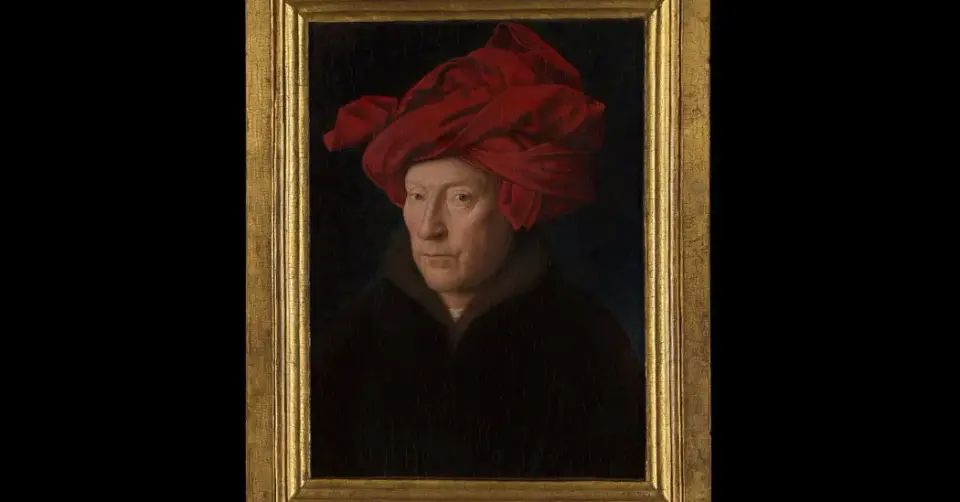
The National Gallery in London is hosting a rare exhibition that gathers all 10 known portraits by 15th-century Flemish artist Jan van Eyck for the first time. The show highlights his mastery of oil paint and trompe l'oeil techniques, while a new theory suggests his famous Arnolfini Portrait may actually be a self-portrait with his wife.
Key points
- The exhibition, titled 'Van Eyck: The Portraits,' opens on November 21, 2026, and runs through April 11, 2027.
- It is the first time all 10 surviving portraits by the artist have been displayed together in one space.
- The show includes the 1439 portrait of his wife, Margaret, which is the earliest dated portrait of a named non-aristocratic woman in European history.
- A 1438 drawing, the earliest record of a formal portrait sitting, is on loan from Dresden and will be reunited with its oil painting counterpart.
- The exhibition emphasizes van Eyck's use of visual tricks, such as painted frames that mimic stone or metal, to challenge the viewer's perception of reality.
Background
Jan van Eyck was active in Bruges from 1422 until his death in 1441. He is renowned for pioneering the use of oil paint to achieve unprecedented realism and detail. His work influenced the development of portraiture in the 15th century, moving away from idealized representations toward verisimilitude. Previous exhibitions have focused on individual works, but this is the first comprehensive gathering of his portrait oeuvre.
How outlets are covering it
The New York Times focuses on the technical precision and the enigmatic nature of van Eyck's portraits, highlighting the 'Als ich can' motto and the illusionistic quality of the works. The Guardian emphasizes the 'tricks and riddles' within the paintings, noting how van Eyck's inscriptions and details create a game of illusion for the viewer. Smithsonian Magazine highlights a new theory by curator Stephan Kemperdick that the Arnolfini Portrait is a self-portrait of van Eyck and his wife, Margaret, rather than a depiction of the Arnolfini family. Artnet News focuses on the emotional impact of the exhibition's installation, particularly the rare loan of the 1438 drawing, and the artist's playful relationship with the viewer through trompe l'oeil techniques. The outlets agree on the significance of the exhibition but differ in their emphasis: some focus on the technical and historical aspects, while others highlight new theories and the emotional experience of viewing the works.
Why it matters
This exhibition provides a unique opportunity to see all of van Eyck's surviving portraits together, offering a comprehensive view of his artistic development and his impact on the genre of portraiture. The new theory about the Arnolfini Portrait challenges long-held assumptions and opens up new avenues for research. The exhibition also highlights the technical innovations of van Eyck, such as his use of oil paint and trompe l'oeil, which continue to influence art today.
What to watch
The exhibition will run until April 11, 2027, at the National Gallery in London. Visitors can expect to see a range of van Eyck's portraits, including the 1433 self-portrait, the Arnolfini Portrait, and the 1439 portrait of Margaret. The show will also feature the rare 1438 drawing, which will be reunited with its oil painting counterpart for the first time in 600 years. The exhibition is expected to attract a large number of visitors and generate significant interest in van Eyck's work.
- The Genius of Jan van Eyck in Three Works The New York Times
- Tricks! Traps! Riddles! Jan van Eyck’s portraits look vividly real – but are full of secret messages. What do they mean? The Guardian
- For Almost 600 Years, This Enigmatic Jan van Eyck Painting Has Entranced Viewers. Could It Actually Be a Self-Portrait in Disguise? Smithsonian Magazine
- ‘We Almost Cried’: Curator Reveals Star Attractions From Van Eyck Blockbuster Artnet News
- Small is beautiful: why it’s the year of the microblockbuster The Times
Want the full story? Read the original reporting
Read on The New York Times