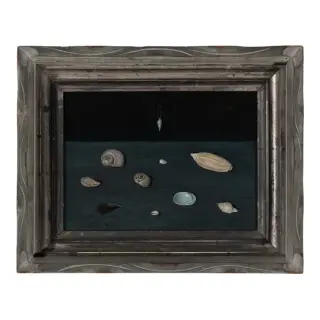
A 1951 painting by Gertrude Abercrombie, purchased for $30 at a Michigan estate sale, sold for $1.35 million at Freeman’s in New York, shattering her previous auction record. The work, 'Alderman Merriam’s Shells,' was authenticated by expert Susan Weininger and had been missing for decades.
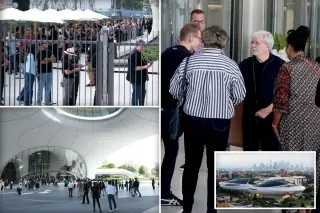
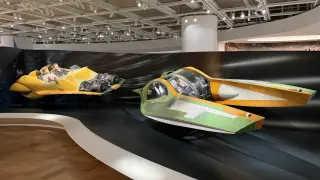
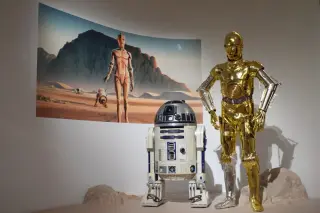
The Lucas Museum of Narrative Art opened to the public on September 22 in Exposition Park, Los Angeles, after nearly a decade of construction delays. The $1 billion, 300,000-square-foot facility, designed by Ma Yansong, houses over 40,000 items from George Lucas and Mellody Hobson’s personal collections. While only about 1,200 to 1,300 works are displayed across 30+ galleries, the museum features prominent Star Wars props, including full-scale speeders and a Millennium Falcon model, alongside traditional art, comics, and sci-fi illustrations. The institution aims to elevate visual storytelling across various media, though critics debate whether its focus on pop culture undermines traditional art hierarchies.
A lyrical mix of science and whimsy, the piece uses rainbows as a lens to explore their physics (refraction and reflection) and their personal, city-facing magic on the Upper West Side, while spotlighting Robert Beck’s West Side Canvas and inviting readers to his UWS studio and Rag Radio interview.
Warhammer Community highlights giant-scale artwork centered on the Sons of Behemat, tying the feature to the upcoming battletome pre-order and new Gargant miniatures like Ma Maegran and the Boss-Stompers, and promoting the Warhammer Art store for fans and collectors.
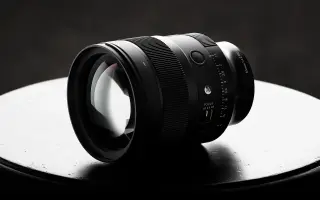
Sigma today announced the 85mm f/1.2 DG Art for L- and E-mounts at $1,599, a lighter, sharper alternative to Canon's RF 85mm f/1.2L USM, which sells for about $2,799. The Sigma features 17 elements in 12 groups, a 13-blade aperture, and weighs 905 g, with early MTF data suggesting stronger corner sharpness at wide open versus Canon. It is not available for the Canon RF mount at launch, and shipments begin October 6, 2026.
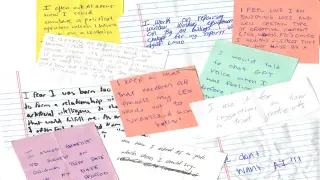
San Francisco artist Olivia Tai runs “What We Tell AI,” a participatory art project that uses confession boxes to crowdsources hundreds of anonymous notes about how people use AI—from helping with dating and breakups to school and work. Framed as an ethnographic snapshot, the project highlights the private, often ambivalent ways people interact with AI, the stigma around sharing these experiences, and Tai’s goal of normalizing discussions about AI use while underscoring concerns about how intimate data goes into data centers as AI becomes more embedded in daily life.
San Francisco artist-researcher Olivia Tai collected anonymous AI-related notes from people in San Francisco, San Jose, and New York, turning them into the What We Tell AI website. The confessions—ranging from AI-assisted school work to voice cloning for emotional closure—offer a personal, sometimes poignant view of how everyday people relate to and fear AI, presented as an ethnographic art project rather than scientific data.
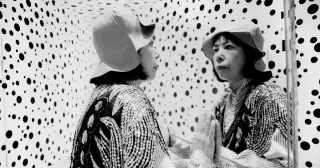
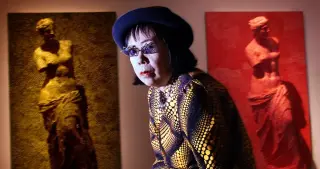
Jerry Saltz argues that while Yayoi Kusama’s Infinity Rooms made her a global icon, they risk obscuring the radical depth of her broader practice—from early installations and soft sculptures to performance and antiwar actions—that dismantled traditional art boundaries and anticipated a world of endlessly proliferating images.
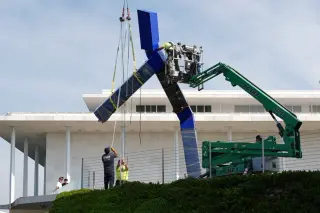
The Kennedy Center has removed the Blue sculpture from its grounds near The REACH. Known as the mascot for National Dance Day, the piece was described by staff as a welcoming fixture, and its removal prompted sadness from those who valued its role in the campus’s culture and celebrations.
George Lucas unveils a Los Angeles museum dedicated to narrative art, curating a diverse collection across painting, sculpture and cinema to broaden the canon beyond Star Wars and celebrate storytelling in art and culture.
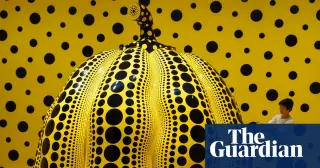
A Guardian Community piece gathers readers’ memories of Yayoi Kusama—from proposals in infinity mirror rooms and sunsets beside Naoshima’s yellow pumpkin to her art reaching those who don’t normally engage with art—showing how her whimsical, inclusive vision touched people worldwide and will be missed.
Burning Man returns to Nevada’s Black Rock Desert, where participants will build Black Rock City from scratch for a week of radical self‑expression and communal effort, with about 70,000 attendees expected and each camp responsible for food, water and shelter as dust swirls and the desert heat sets the scene.
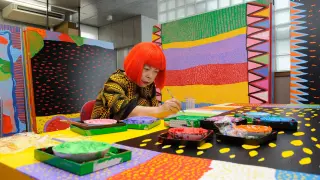
Japanese artist Yayoi Kusama has died in Tokyo at age 97 from multiple organ failure. Renowned for her polka-dot works and immersive Infinity Mirror Rooms, she rose to international fame in the 1960s New York avant-garde scene, collaborated with Louis Vuitton, and produced landmark works including the Naoshima pumpkin and the Infinite Accumulation sculpture at Liverpool Street Station; she continued painting until her final days, according to Yayoi Kusama Inc.
Renowned Japanese artist Yayoi Kusama has died in Tokyo at 97 from multiple organ failure, per David Zwirner Gallery. A towering figure in art through her infinity rooms and polka-dot works, Kusama's influence spans minimalism, pop art, and performance; retrospectives at Museum Ludwig and major shows like Hirshhorn's Infinity Mirrors and Melbourne's National Gallery of Victoria drew record crowds, underscoring her global fame and her vow to keep creating until her death.