
Assadi Wins Fiction Prize; ElGendy’s Nonfiction Victory Marked by Visa Denial
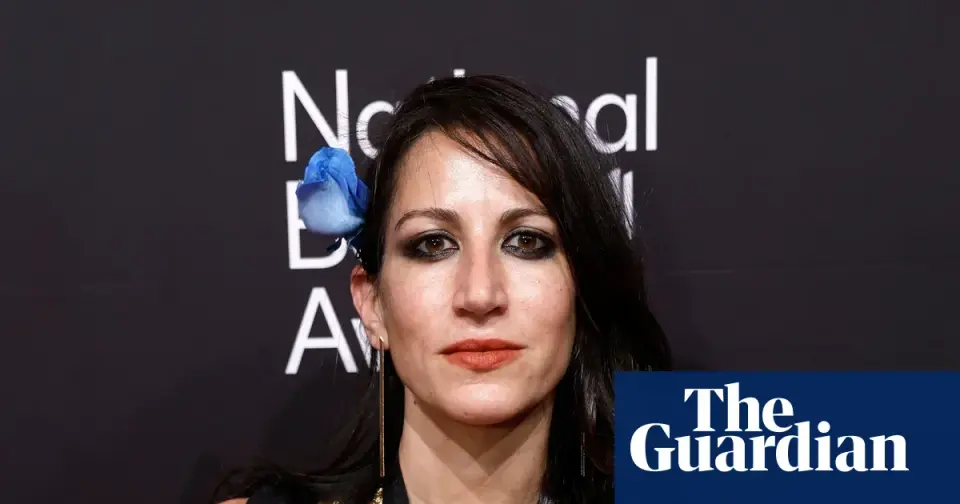
Hannah Lillith Assadi won the 2026 National Book Award for Fiction for 'Paradiso 17,' while Abdelrahman ElGendy won the Nonfiction prize for 'Huna' despite being barred from the US ceremony by a visa denial.
Key points
- Assadi’s novel explores the displacement of a Palestinian man after the 1948 Nakba, inspired by her father’s experiences.
- ElGendy’s memoir details six years as a political prisoner in Egypt; his editor accepted the award on his behalf.
- The National Book Foundation defended ElGendy’s eligibility, contradicting earlier speculation from The New York Times.
- Salman Rushdie received a lifetime achievement medal, recalling support from Ursula K. Le Guin for his debut novel.
- Brenda Hillman won the Poetry category, and David Levithan and Gabriel Duckels won the Young People’s Literature category.
Background
The 2026 National Book Awards followed a shortlist announced in October, which narrowed the fiction field to five titles. This year’s ceremony featured 1,912 book submissions. Recent literary awards, such as the Booker Prize, have also seen significant shifts in genre recognition, but the National Book Awards remain a primary US literary honor.
How outlets are covering it
The Guardian and NPR highlighted the emotional weight of Assadi’s acceptance speech regarding her father’s death and the Palestinian narrative. The New York Times initially questioned ElGendy’s eligibility due to residency rules, a claim the National Book Foundation disputed, stating they expanded criteria in 2024. Literary Hub provided a comprehensive list of all category winners and judges, emphasizing the breadth of the selection. All sources noted the visa denials for ElGendy and Syrian author Samar Yazbek, which the Foundation called 'unjust,' while the State Department defended its enforcement of immigration laws.
Why it matters
The awards highlight the intersection of literary merit and geopolitical barriers, as visa denials prevented two authors from attending the ceremony. The recognition of works dealing with displacement and political imprisonment underscores the global relevance of American literary prizes.
What to watch
The National Book Foundation will likely continue to address eligibility and visa issues for international authors. The winning books will receive increased visibility and sales, while the lifetime achievement honorees will be celebrated in subsequent literary events.
- Hannah Lillith Assadi wins US National book award for ‘visionary’ novel Paradiso 17 The Guardian
- National Book Award for Nonfiction Goes to Writer Denied Visa to Attend The New York Times
- 'Huna' writer wins National Book Award for non-fiction, after not being allowed into the U.S. NPR
- Here are the winners of the 2026 National Book Awards. Literary Hub
- I Am a 2026 National Book Award Finalist. The U.S. Denied My Visa The New Yorker
Want the full story? Read the original reporting
Read on The Guardian