
Caine Prize confirms human authorship of winning story after AI probe
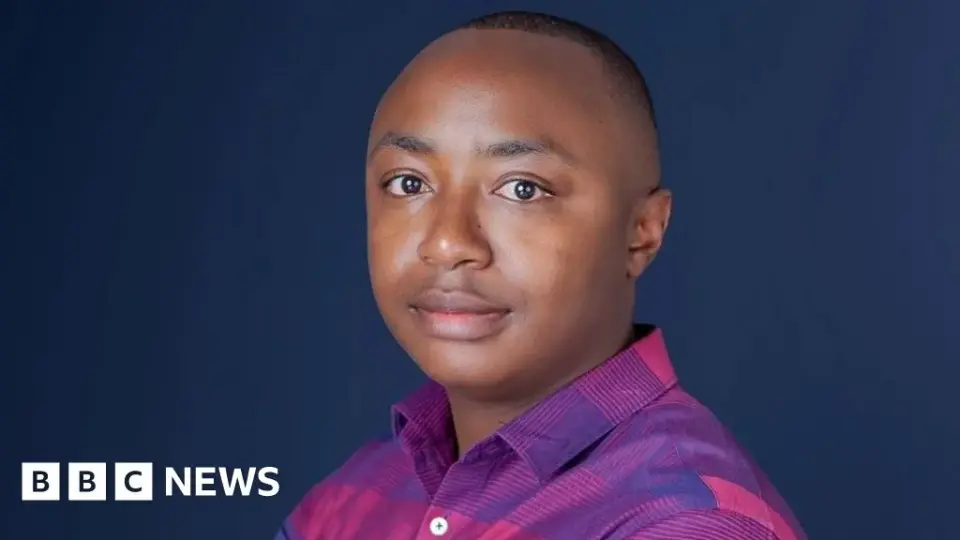
The Caine Prize for African Writing has confirmed that Zimbabwean author Simbarashe Kundizeza is the legitimate winner of its 2026 award, finding no evidence that his winning short story, 'The Blue Fighter,' was generated by artificial intelligence. This conclusion follows an internal review triggered by allegations from The Atlantic magazine, which cited AI-detection software that flagged the work as machine-generated. The prize board conducted a human-centered investigation, including interviews with the author and judges, as well as independent forensic analysis of draft metadata. Kundizeza, who was awarded £10,000, had previously denied the claims, stating the story was inspired by a poem about fish tanks and his family’s economic struggles in Zimbabwe. The controversy highlights ongoing tensions regarding AI detection tools in literary circles, particularly concerns about bias against non-white writers.
Key points
- The Caine Prize board of trustees, led by chair Ellah Wakatama, confirmed Kundizeza as the winner after finding no evidence of AI usage in 'The Blue Fighter.'
- The investigation was prompted by an article in The Atlantic by journalist Vauhini Vara, which claimed AI-detection software Pangram identified the story as entirely AI-generated.
- The review process included interviews with the author, the 2026 judging panel, and the Shallow Tales Review, along with independent digital forensic analysis of draft metadata.
- Kundizeza stated he was inspired by a poem read by South African Vangile Gantsho in Ghana and wove in fictionalized details from his life during Zimbabwe's economic troubles in 2002.
- Social media backlash included accusations that such scrutiny disproportionately targets non-white writers, a concern echoed by other African authors.
Background
This incident is part of a broader trend of AI-related controversies in literary awards in 2026. Previous disputes included the Commonwealth Short Story Prize, where winner Jamir Nazir faced similar allegations, and the Prix Goncourt, where author Thélyson Orélien withdrew from the award over AI usage claims. Our earlier coverage noted that Kundizeza had provided a documented chronology of the story's development to defend his authorship, while critics argued that AI detection tools may exhibit bias against non-Western writing styles. The Caine Prize had previously committed to a 'human-centered' approach to the investigation, prioritizing support for the writer over algorithmic verdicts.
Why it matters
The resolution of this dispute underscores the growing challenges in verifying authorship in the age of generative AI. By rejecting algorithmic detection in favor of forensic and human-centered review, the Caine Prize sets a precedent for how literary institutions may handle similar allegations. It also highlights the intersection of technology, race, and creative ownership, as critics argue that automated tools may unfairly flag diverse writing styles as artificial. The outcome reinforces the importance of due process in awarding prestigious literary honors and addresses concerns about the reliability of AI-detection software in evaluating human creativity.
What to watch
Kundizeza will receive the £10,000 prize, and 'The Blue Fighter' will be recognized as the 2026 Caine Prize winner. The Caine Prize may face continued scrutiny regarding its verification processes, while the broader literary community may debate the efficacy and fairness of AI-detection tools. Further discussions may emerge regarding the need for standardized, bias-free methods for assessing authorship in digital age literature.
Want the full story? Read the original reporting
Read on BBC