
Judi Dench confirms age-related macular degeneration has ended her acting career
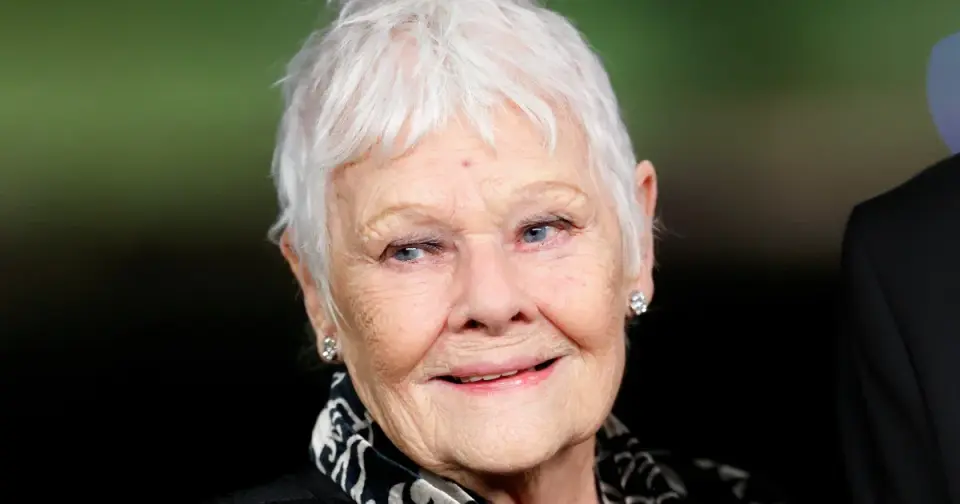
Dame Judi Dench, 91, has confirmed that worsening age-related macular degeneration (AMD) has rendered her unable to act in film or theater, or read scripts. Diagnosed in 2012, the condition has progressed to the point where she cannot recognize faces or navigate daily tasks independently. In an interview with BBC Radio 4, Dench stated she can no longer perform on stage or read, marking the end of her active acting career. She described aging as 'rubbish' but emphasized the need to make allowances for her condition and move forward without overthinking it.
Key points
- Judi Dench, 91, confirmed in a BBC Radio 4 interview that she can no longer act, read, or perform on stage due to worsening age-related macular degeneration.
- Dench was first diagnosed with AMD in 2012; the condition affects central vision, making it difficult to see directly in front of her and recognize faces.
- She stated that the condition has worsened significantly, impacting her ability to work, including reading scripts and navigating film sets.
- Dench described aging as 'rubbish' but said she tries not to think about it too much, focusing instead on making allowances for her condition.
- She expressed continued enthusiasm for Shakespeare's sonnets, describing herself as 'besotted' by their rhythm and emotional clarity, despite her vision loss.
Background
Dench has previously discussed her struggles with AMD, including difficulty reading lines and recognizing people. In 2025, she told ITV News she could not recognize anyone and could only see the outline of Ian McKellen. In 2024, she told NPR that the condition had worsened and impacted her ability to work. Our archive notes that she has continued to make public appearances and speak openly about adapting to life with deteriorating vision, stating that 'the radio has always been important to me.'
How outlets are covering it
NBC News and BBC report Dench's statement that she can no longer act, read, or perform on stage due to AMD. Yahoo adds that the condition affects the central part of the retina, making it difficult to see directly in front of them, and notes that there is no cure, but treatments can slow the degenerative process. All sources agree that Dench was diagnosed in 2012 and that the condition has worsened over time. BBC highlights that Dench has continued to make public appearances and speak openly about adapting to life with deteriorating vision, while NBC focuses on her blunt assessment of aging as 'rubbish.'
Why it matters
Dench's announcement marks the end of her active acting career, a significant loss for British theater and film. Her openness about living with AMD provides insight into the challenges faced by individuals with age-related vision loss, highlighting the impact on daily life and professional work. Her continued engagement with public life and her love for Shakespeare's sonnets demonstrate resilience and adaptability in the face of significant physical limitations.
What to watch
Dench has stated that she will continue to make allowances for her condition and move forward without overthinking it. She has not indicated any plans to return to acting, but her continued public appearances and discussions about her condition suggest she will remain engaged with the public and the arts in other ways. The release of her memoir, 'Is It Too Late to Make a Run for It?', is also anticipated, which may provide further insights into her experiences with AMD and her career.
- Judi Dench says she can no longer act or read due to worsening eye condition NBC News
- Dame Judi Dench: I can't do a play, do a film, or read any more BBC
- Oscar-winning actress Judi Dench says she can’t do movies, plays due to vision loss Yahoo
- Judi Dench says worsening eyesight means she can no longer act Reuters
- Judi Dench Shares Heartbreaking Update amid Degenerative Eye Condition, Says Aging Is ‘Rubbish’ People.com
Want the full story? Read the original reporting
Read on NBC News